Malus spp. Fall-winter. Large high-quality sweet dessert fruit. A modern apple worthy of the grocery-store world. Keeps most of the winter. Z4.
read more
Malus spp. This is a twig for grafting. Summer. Nice balance of tart and sweet. Crisp and juicy fresh-eating; fine cooking. Disease-resistant; scab immune. Z4.
read more
Malus spp. This is a twig for grafting. Late fall. Distinctly bumpy rough texture. Highly flavored. Excellent dessert apple for the connoisseur. Z4.
read more
Malus spp. Winter. Excellent fresh eating. Very large russeted fruit with firm white fine-grained flesh and nutty sweet-sharp flavor. Good keeper. Z4.
read more
Malus spp. This is a twig for grafting. Winter. Excellent fresh eating. Very large russeted fruit with firm white fine-grained flesh and nutty sweet-sharp flavor. Good keeper. Z4.
read more
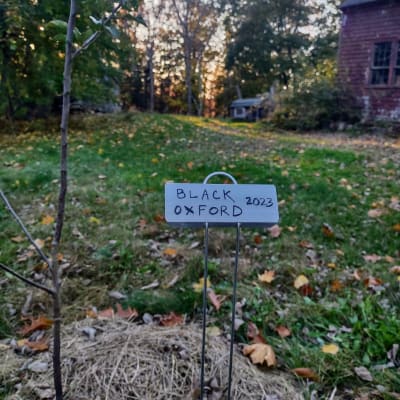
Malus spp. Fall. Excellent bittersweet for blending in hard cider. Juicy firm quite bitter very astringent flesh has a very high sugar content. Rare. Z4.
read more
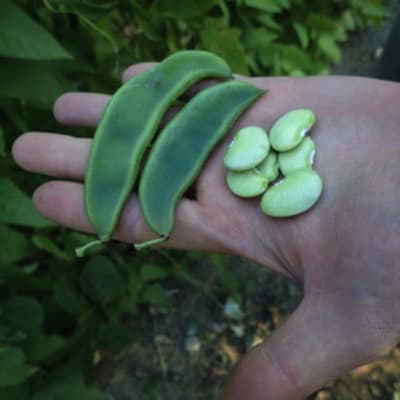
Phaseolus lunatus (103 days) Open pollinated. 18" tall. 3 tender beans per pod, grey in the shell stage and drying to buff with purple and black mottling. White flowers.
read more
Phaseolus lunatus (106 days) Open pollinated. 8" pods, dependably produces at least four large creamy white seeds per pod. Vines can grow 10'.
read more
This thorough and well-researched book features loads of educational tidbits and tips. Includes descriptions for 59 varieties with notes on taste, texture and suggested uses. Great for cooks.
read more
Filled with clear how-to and how-not-to instructions, along with useful illustrations and laugh-out-loud humor, Turnbull walks through the basics and delves into specifics for more than 150 plants.
read more
Painted portraits of People working for Earth Justice (including 5 from Maine!), accompanied by concise biographies and framed by essays about earth justice.
read more
Prunus avium Summer. All-around excellent sweet cherry for the Northeast. Sweet light-colored flesh. Good size, great flavor and heavy cropping. Disease and crack resistant. Self-pollinating. Z4.
read more
Three tools in one: punches holes in mainline for drip tape or spot emitters (with a very snug fit), cuts mainline and emitter tubing, and inserts spot emitters.
read more
This starter kit gives you everything you need for 200' of garden row-crop irrigation. Includes setup instructions, low-flow drip tape, as well as fittings, ends, couplers and more!
read more
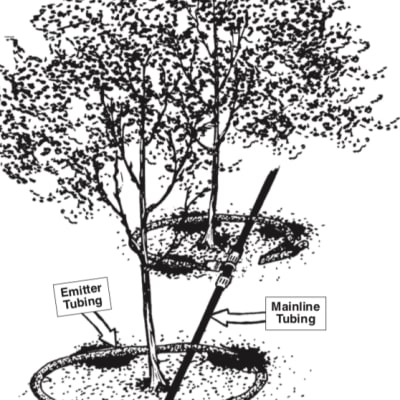
Emitter tubing delivers water where your new trees, canes, and shrubs need it most, while minimizing leaking and clogging. Includes instructions, tubing, couplers, and more!
read more
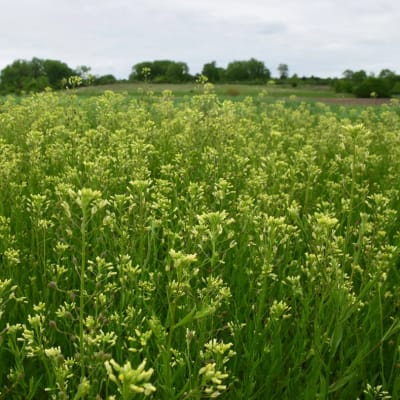
Camelina sativa Annual brassica. Widely adaptable and versatile winter-hardy cover crop and oilseed plant; tolerates poor conditions. Excellent nutrient scavenger. Sow when you would for winter rye.
read more
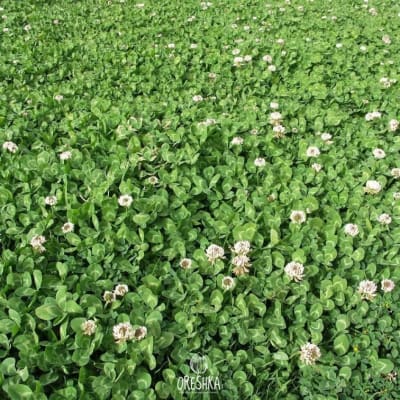
Trifolium repens Perennial legume. 8–12" tall. Fantastic nitrogen fixer with great protein and digestibility. Tall enough to be harvested for hay, silage, and green chop. Good choice for poorly drained soil.
read more
Trifolium repens Perennial legume. Up to 9". Small-leafed perennial clover establishes quickly and withstands traffic and close mowing. Our favorite clover for organic pasture.
read more
Cichorium intybus Perennial broadleaf, up to 18". Very high digestibility. Protein levels up to 50% higher than alfalfa. Stands may live 5 years or longer, but it’s also valuable for pasture or green chop.
read more
Perennial pasture mix of grasses and clover, well suited to Maine and other areas with similarly variable weather and temperatures. Provides season-long regrowth and good grazing.
read more
With 26 full-page illustrations (including covers), our exclusive coloring book features some mash-ups you might recall from past catalogs, and some brand-new ones, for an all-ages coloring fun fest.
read more
Brassica oleracea (acephala group) (62 days) Open pollinated. Italian heirloom also known as Lacinato and Tuscan Black. Very dark green wrinkled, pebbled sturdy leaves extend like palm fronds from stalk.
read more
Brassica napus (pabularia group) (60 days) Open pollinated. Unsurpassed tenderness and flavor. Green oakleaf with purple veining darkens in cold weather. Wilts quickly once picked. Great microgreens.
read more
Brassica napus (pabularia group) (60 days) Open pollinated. Unsurpassed tenderness and flavor. Green oakleaf with purple veining darkens in cold weather. Wilts quickly once picked. Great microgreens.
read more
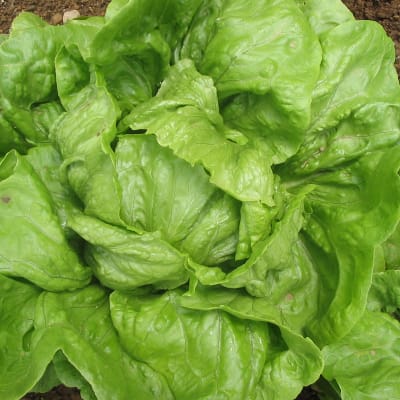
Lactuca sativa (72 days) Open pollinated. Slow-growing compact dark green Batavian with crisp outer leaves surrounding a round tightly-packed heart. Excellent heat tolerance.
read more
Lactuca sativa (48 days) Open pollinated. Hefty wine-red Batavian forms open rosette that folds together like a romaine at maturity. Shiny red leaves, green in the center, good for baby leaves.
read more
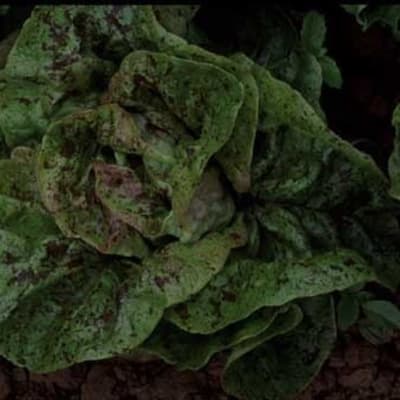
Lactuca sativa (55 days) Open pollinated. Heirloom. Very attractive bibb lettuce has apple-green leaves splashed with maroon-red flecks. Selected for resistance to tip burn.
read more
Lactuca sativa (32 days baby, 60 mature) Open pollinated. Modern classic. Adds intense deep red color and full-bodied flavor to baby salad mix. Not recommended for full-size heads. Cold tolerant.
read more
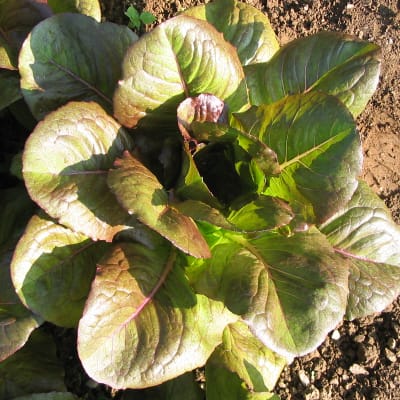
Lactuca sativa (65 days) Open pollinated. French heirloom. Semi-romaine head with deep red outer leaves. Green inner leaves with bronze tips. Excellent cold tolerance, good for overwintering.
read more
Lactuca sativa (47 days) Open pollinated. Heirloom. Beautiful large twisting red and green rosettes with heavy purple accents. Tender, buttery.
read more
Liatris spicata 30-36" tall. Dreamy white flower wands above fine grass-like foliage. Blooms from July to September. Great for cutflowers. Z3.
read more
Liatris spicata 20-30" tall. Magenta-purple flower spikes above fine grass-like foliage. Blooms from July to September. Great for cutflowers. Z3.
read more
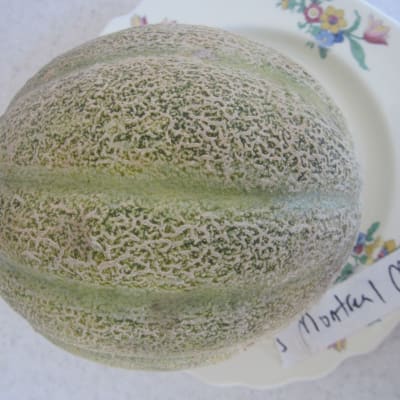
Cucumis melo (89 days) Open pollinated. Green-fleshed heirloom, once the most widely grown in Canada, New England. Netted and ribbed fruits with aromatic silky texture. Can get quite large.
read more