Our web site works best with JavaScript. It looks like your browser
doesn't support it or it is turned off, so you might find that some
things don't work correctly. In particular, online ordering will not
work. We're sorry for any inconvenience.
Fedco Trees: New Items
new!
Quick View
Malus spp. Semi-dwarf apple rootstock. Our first-ever organically grown apple rootstock! Grown here in the Northeast. 3/16" caliper. Z3.
new!
Quick View
Malus spp.
This is a twig for grafting.
Fall. Highly flavored dessert apple popular in the Victorian era for its complex spicy honey-nut flavor. Compact rugged tree. Z4.
new!
Quick View
Malus spp. Fall-winter. Best fresh eating after storage when fruit develops its extraordinary spicy cinnamon-nutmeg flavor. Very rugged tree. Z4.
new!
Quick View
Malus spp.
This is a twig for grafting.
Late summer-early fall. Old Scottish apple, popular in Victorian times and doing well in the Northeast. Good for baking and fresh eating. Z4.
new!
Quick View
Malus spp. Fall. Cox’s Orange Pippin x Jonathan. Bred by Piet de Sonnaville, Wageningen Res Stn, Netherlands, 1949; released commercially in 1971. A
...
read more
new!
Quick View
Malus spp. Hardy seedling rootstock for full-sized “standard” apple trees. Z3.
new!
Quick View
Malus spp.
This is a twig for grafting.
Late summer. Beautiful fresh-eating, juicing and cooking apple. Like a summer McIntosh. Z3.
new!
Quick View
Malus spp.
This is a twig for grafting.
Fall. Tender mild juicy aromatic fruit for fresh eating and cooking. Productive and annual bearing. Z4.
new!
Quick View
Malus spp. Mid-late summer. A fine summer dessert and cider apple. Makes delicious pink sauce. Tree is vigorous, precocious and annual bearing. Z4.
new!
Quick View
Malus spp.
This is a twig for grafting.
Winter. Old Hudson Valley apple, late 1700s. Dense and tart off the tree, sweetening in storage. Good keeper. Z4.
new!
Quick View
Malus spp. Fall. A new discovery! Tasty dessert apple, more flavorful than its presumed parent Wolf River. Great for fresh eating and cooking. Z4.
new!
Quick View
Malus spp. Bittersharp cider apple. Perfect for blending in ciders. Good fresh eating if you like ’em tart! Z4.
new!
Quick View
Malus spp. Early fall. A true bittersweet that can be picked and stored for late pressings. Great for blending. Z4.
new!
Quick View
Malus spp. Bitter, sharp and sweet—this collection covers all the bases for making great cider. Z4.
new!
Quick View
Malus spp. Start your own heritage apple orchard with a collection of trees traditionally grown in northern New England. Z4.
new!
Quick View
Malus spp. 10' tall with entwined limbs. Soft apricot buds open to light pink fragrant very double 2" blossoms. Green-yellow 2" fruit. Z4.
new!
Quick View
Malus spp. Rare. Large single white flowers and small red fruits in fall. Extremely rugged tree. Z4.
new!
Quick View
Malus spp. One of the best culinary crabs for jelly, pickles and cider! White blossoms and heavy clusters of brilliant red fruits. Z3.
new!
Quick View
Malus spp. Extremely hardy! White blossoms absolutely devour the branches in spring. Abundant rosy-red fruit in clusters. Z3.
new!
Quick View
Malus spp. An heirloom culinary crabapple for jellymakers! Z4.
new!
Quick View
Malus spp. Very rare! A true weeper, wide spreading and cascading in tufts and mounds. Single pink blossoms and bright red crabapples. Z3.
new!
Quick View
Prunus armeniaca Heirloom English variety now standard in the U.S. Orange fruit speckled with red is sweet, aromatic and firm yet juicy. Great for fresh eating, canning and drying. Z5.
new!
Quick View
Prunus armeniaca Midsummer. One of the best-tasting of the Harrow series of hardy apricots, but not quite as cold tolerant as others. Drips with sweet juice. Z4/5.
new!
Quick View
Prunus armeniaca Mid-late summer. Multipurpose sweet freestone variety is good for fresh eating, canning and drying. Most cold hardy of the Harrow series. Z4.
new!
Quick View
Prunus armeniaca Midsummer. Very firm moderately juicy freestone apricot. Late blooming. Z4/5.
new!
Quick View
Prunus armeniaca Midsummer. Freestone sweet-tart fruits ripen uniformly, making this one good for processing. Z4.
new!
Quick View
Prunus mandshurica Extremely hardy drought-resistant tree native to northeast China, far east Russia and Korea. Useful in breeding new frost-resistant varieties. Fruit is of variable eating quality. Z3.
new!
Quick View
Prunus armeniaca Mid-late summer. Pleasantly sweet and firm flesh. Flower buds hardy to –40˚. Z3.
new!
Quick View
Prunus armeniaca Mid-late summer. From Iran, these apricots are sugary with large sweet edible almond-like pits. Very hardy and worth trialing in the Northeast. Z3.
new!
Quick View
Astilbe japonica 20-24" tall. Blazing red plums fade to textured caramel brown in fall. Full to part shade. Z3.
new!
Quick View
Astilbe chinensis 16-24" tall. Creamy pink-white dense plumes fade to green—not brown—to extend this Astilbe’s time to shine. Full to part shade. Z3.
new!
Quick View
Begonia tuberosa 10-12" tall and cascading. Perfect for containers on a shady porch.
new!
Quick View
Begonia tuberosa 12-18" with an upright form. A burst of sunshine, in containers or along a shady border.
new!
Quick View
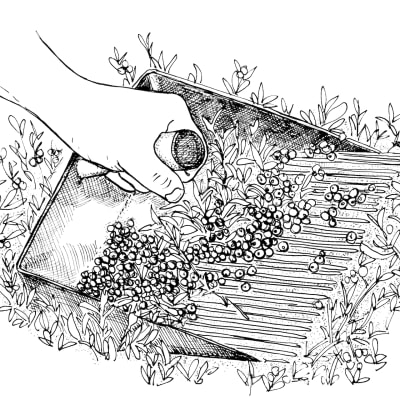
Vaccinium corymbosum × angustifolium Three lowbush hybrids to start your Lilliputian blueberry patch. Z4.
new!
Quick View
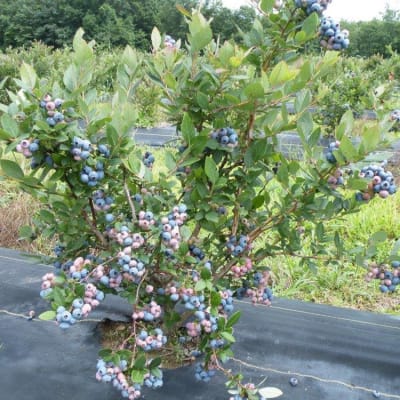
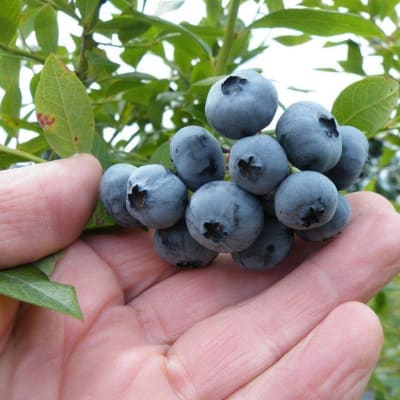
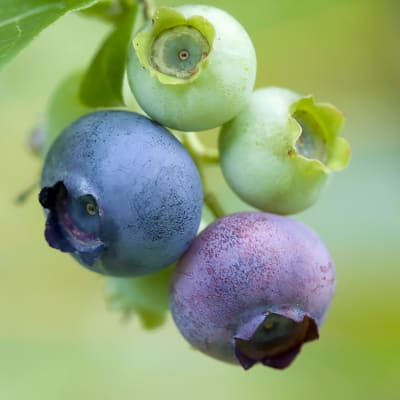
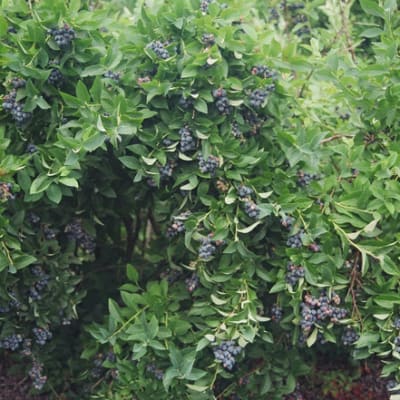
Vaccinium corymbosum Three highbush blueberry cultivars to support cross-pollination and span the ripening season. Z4.
new!
Quick View
Vaccinium corymbosum Late. Firm and tasty with a good shelf life. Extended picking season. Z5.
new!
Quick View
Vaccinium corymbosum Early-Mid. Excellent post-harvest color retention makes them popular for markets. Sweet and sweetly scently firm berries. Z5.
new!
Quick View
Vaccinium corymbosum Early. Firm, mild, sweet berries with good shelf life. Showed strong resistance to mummyberry blight in trials. Z5.
new!
Quick View
Vaccinium corymbosum Midseason. Dark berries are petite, sweet and similar to lowbush fruit. Compact size and lovely fall foliage. Z4.
new!
Quick View
Vaccinium corymbosum × angustifolium 4" tall. Lowbush-type with small sweet berries. Z3.
new!
Quick View
Vaccinium corymbosum × angustifolium 8-10" tall. Lowbush type with small berries and burgundy fall foliage. Z3.
new!
Quick View
Vaccinium corymbosum × angustifolium 6" Seeds collected in ME; grown out for selection in Grand Junction, MI. Blue-black berries are bursting with
...
read more
new!
Quick View
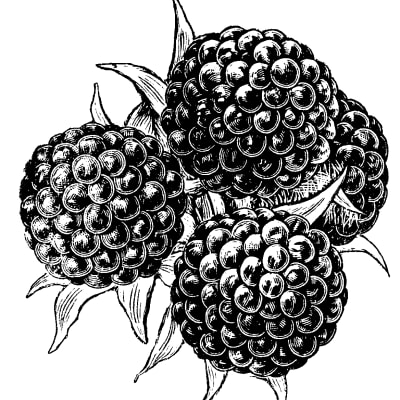
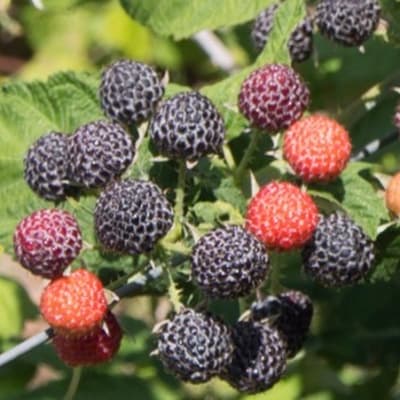
Rubus spp. Early. The first everbearing black raspberry we've offered! First crop in summer and another in fall. Z5.
new!
Quick View
Rubus spp. Four black cap cultivars (20 plants total) to feed your obsession. We love these berries! Z5.
new!
Quick View
Rubus spp. Four everbearing cultivars (20 plants total) for filling the freezer. These fruit on first-year canes. Z4.
new!
Quick View
Rubus spp. Five Rubus cultivars (25 plants total) for a diverse and delicious array of berries—red, yellow, purple and black raspberries, plus blackberries. Z4.

new!
Quick View
Rubus spp. Four summer-bearing cultivars (20 plants total) to extend the raspberry-picking season. Z4.
new!
Quick View
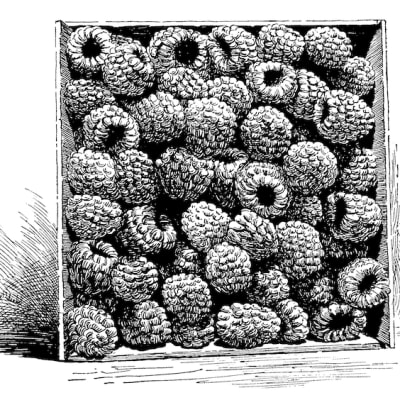
Rubus spp. Midseason. Large red firm flavorful berries with a long harvest window. Z4.
new!
Quick View
Rubus spp. Mid-Late. Coral-colored berries turn pink when frozen. Z4.
new!
Quick View
Prunus spp. Four cherry trees, one pie and three sweet, for a varietal mix and to support cross-pollination. Z4.