Monarda didyma Open pollinated. Perennial to Zone 3. Bushy clumping 30", bears 1-2 whorls of red tubular flowers on each stem from mid to late summer.
read more
Allium tuberosum Open pollinated. Grows like chives, 1' tall, but has flat strap-like leaves that taste like garlic and can be used as a garlic.
read more
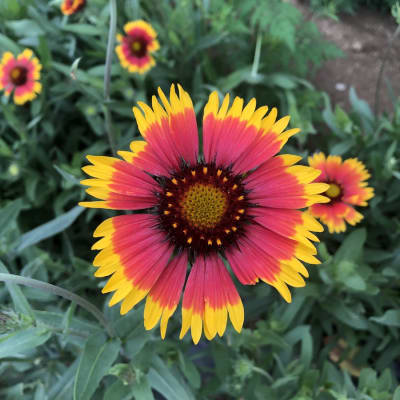
Gaillardia aristata (90 days) Open pollinated. Sun-loving native wildflower of the American Southwest is a favorite of butterflies and of gardeners who make bouquets. Perennial.
read more
Gaillardia pulchella Open pollinated. Daisy-type flowers in reds, yellow, rust and orange with a prominent colored center. Free flowering, low maintenance and easy to grow. Attracts butterflies. Good cutflower.
read more
Rumex acetosa (60 days) Open pollinated. Thick sword-shaped lemony-flavored leaves picked when young and tender. A special treat in early spring. Perennial hardy to Z3.
read more
Hablitzia tamnoides (45 days) Open pollinated. Perennial spinach-like green. Hardy vine from the Caucasus grows 6-9' long for 2-3 months beginning very early spring. Heart-shaped attractive leaves.
read more
Blitum bonus-henricus Open pollinated. Heirloom perennial green and ancient European potherb. Eat shoots like asparagus; use leaves like spinach.
read more
Crambe maritima Open pollinated. Perennial hardy to Zone 5, native to seashores of British Isles. Blanch the tender shoots for spring and winter.
read more
Bunias orientalis Open pollinated. Perennial, Zones 4-8. Tender spicy mustard greens and florets for stir-frying. Drought-tolerant with a deep taproot.
read more
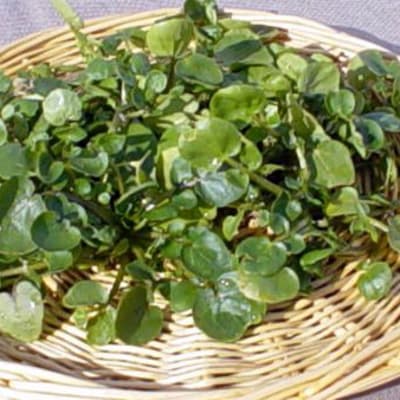
Nasturtium officinale (60 days) Open pollinated. Perennial hardy to Z4. Tasty green likes full sun and soggy conditions. Use in salads and soups.
read more
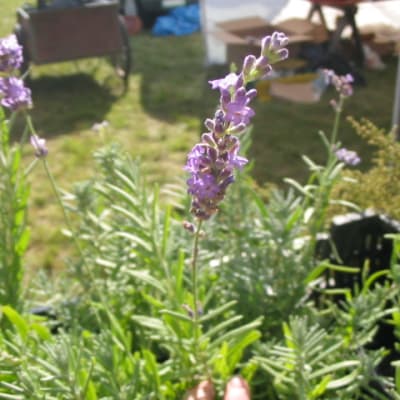
Lavandula angustifolia Open pollinated. Also known as English Lavender. Not a named variety; perhaps a less-refined habit than Vincenza Blue.
read more
Lavandula angustifolia Open pollinated. More compact habit than common Lavender with deeper green leaves and a more powerful, less sweet, aroma. 1' plants have bold clustered flower spikes with deep color from mid-July to early September.
read more
Lobelia cardinalis Open pollinated. This gorgeous wetland native wildflower and hummingbird magnet can be grown in moist garden soils or meadows. 2–4' tall
read more
Lupinus polyphyllus Open pollinated. Genetics determine that blues will dominate in lupine mixes. Revitalize your patch with a new burst of red.
read more
Asclepias syriaca Open pollinated. Perennial to Zone 4. These 5' tall showy native wildflowers are an important member of the wild habitat. Buds open to large balls of sweetly fragrant pink flowers.
read more
Urtica dioica Open pollinated. Perennial. Grows 3-6'. Young shoots and leaves are delicious steamed as spring greens, very high in minerals and protein.
read more
Allium fistulosum (65 days) Open pollinated. Japanese heirloom. Hardy perennial bunching onion. For a steady market crop, seed every two weeks.
read more
Origanum heracleoticum Open pollinated. Perennial to Zone 4, but survives some winters in Zone 3. The true culinary herb for Greek and Italian cooking. Low-growing with fragrant dull green and purple leaves and white flowers.
read more
Campanula carpatica Open pollinated. Perennial. Also known as Bellflower or Carpathian Harebell. Masses of light azure bellflowers above a tidy mound of foliage. Pelleted for ease of sowing.
read more
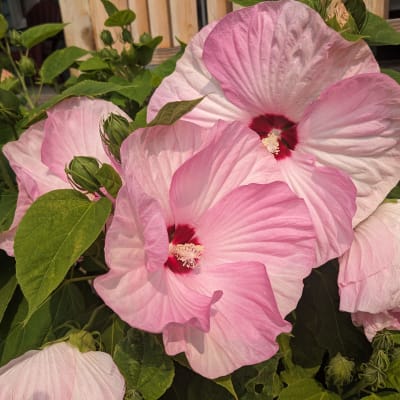
Hibiscus moscheutos Open pollinated. Perennial, Zones 5-9. 6-8" saucer-shaped flowers in a mix of pinks, red and white, with contrasting red eyes where a contrast is to be had.
read more
Coix lacryma-jobi (100 days) Open pollinated. Sets pendulous sprays of globular pearly purple-grey seeds, which may be strung as beads for necklaces. Spiky 2–3' stalks good for planters or as filler in dried fall arrangements.
read more