Vitis spp. Mid. Large bright firm seedless deep red grapes with a fruity flavor. Makes the best raisins. Excellent fresh eating. Vigorous vines. Z4/5.
read more
Eruca sativa (44 days) Open pollinated. Cross of two European heirlooms and selected for vigor and cold hardiness. Turns purple when it freezes. Full of flavor.
read more
Beta vulgaris (56 days) Open pollinated. Gold, yellow, orange and pink stems, midribs and veins. Tender dark green to bronze leaves with mild chard flavor.
read more
Cichorium endivia (42 days) Open pollinated. French heirloom. Large frizzy sweet endive with very fine ribs. For late spring and early summer harvests.
read more
Specialized trapezoidal shape with two cutting edges slices plants off at ground level for clean quick harvesting or nips sideshoots for continued growth. Stainless steel blade.
read more
Lonicera sempervirens 6–10' long. Scarlet-red and yellow flowers. Straight species. Selected for excellent blossom set and outstanding resistance to powdery mildew. Z3.
read more
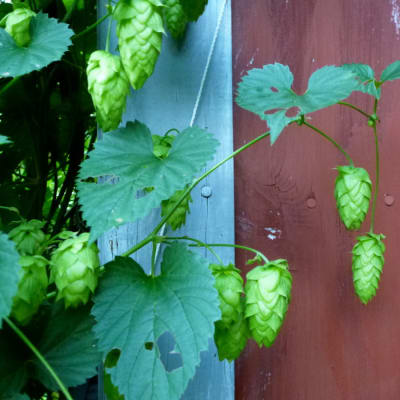
Humulus lupulus Late summer. Fragrantly aromatic hops, low bittering value. Very productive with large cones, ready to harvest mid-late August in central Maine. Z3.
read more
Humulus lupulus Excellent all-purpose hop. Low bittering. Spicy aroma. Good finishing hop for brewing English ales and stouts. Vigorous. Good disease resistance. Z3.
read more
Iris sibirica 32" tall. Bred by legendary Maine hybridizer Currier McEwen in shades of creamy white with accents of yellow-green and buttery yellow. Early midseason to late. Z3.
read more
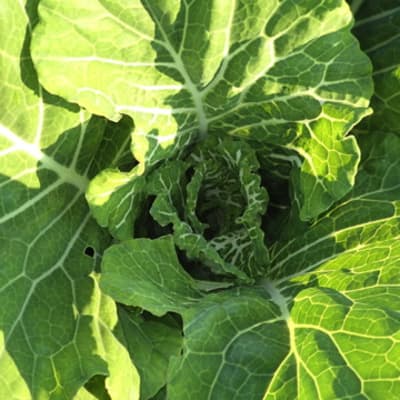
Brassica oleracea (acephala group) (61 days) Open pollinated. Florida heirloom. After frost, develops beautiful white ribs that contrast with yellow-green leaves.
read more
Brassica oleracea (acephala group) (30 days baby, 56 days mature) Open pollinated. The most commonly grown kale. Dense finely curled blue-green leaves on upright hardy plants. Best as a fall crop, planted July or August.
read more
Brassica napus (pabularia group) (60 days) Open pollinated. Unsurpassed tenderness and flavor. Green oakleaf with purple veining darkens in cold weather. Wilts quickly once picked. Great microgreens.
read more
Brassica napus (pabularia group) (60 days) Open pollinated. Unsurpassed tenderness and flavor. Green oakleaf with purple veining darkens in cold weather. Wilts quickly once picked. Great microgreens.
read more
Lactuca sativa (50 days) Open pollinated. Dark green outer leaves with broad mid-ribs and a creamy white center heart. Slow to bolt. Excellent flavor. Bestseller.
read more
Lactuca sativa (50 days) Open pollinated. Dark green outer leaves with broad mid-ribs and a creamy white center heart. Slow to bolt. Excellent flavor. Bestseller.
read more
Lactuca sativa (52 days) Open pollinated. Dark green uniform Nancy-type butterhead with large plant and head size, juicy sweetness and silky texture.
read more
Lactuca sativa (49 days) Open pollinated. Standard red leaf lettuce. Attractive 10-16" heads with purplish red-splashed leaves. Lightly crunchy with melting texture. Withstands some heat.
read more
Lactuca sativa (53 days) Open pollinated. Grand Rapids-type with slow early growth and pale-green leaves. Excellent heat tolerance and bolt resistance. Recommended for summer production.
read more
Lactuca sativa (46 days) Open pollinated. Very attractive oakleaf lettuce forms a green and bronze rosette. Very slow to bolt. Excellent in mesclun and for cut-and-come-again culture.
read more
Lactuca sativa (49 days) Open pollinated. Unique Butterhead/Romaine combination with ruffled savoyed leaves dappled red and green. Very crisp and buttery.
read more
Lactuca sativa (56 days) Open pollinated. German heirloom. Attractive romaine has deep green leaves flecked with wine-red splotches. Excellent flavor and decent heat tolerance. Bestseller.
read more
Lactuca sativa (56 days) Open pollinated. German heirloom. Attractive romaine has deep green leaves flecked with wine-red splotches. Excellent flavor and decent heat tolerance. Bestseller.
read more
Lactuca sativa (68 days) Open pollinated. Market standard romaine. Upright 8-9" heads fold inward to form compact greenish-white centers. Resists bolting, even in heat.
read more
Lactuca sativa (60 days) Open pollinated. French heirloom has substance with succulence. Begins like a bibb, matures into a well-wrapped romaine. Thick tender dark green leaves. Cold hardy.
read more
Lactuca sativa (47 days) Open pollinated. Heirloom. Beautiful large twisting red and green rosettes with heavy purple accents. Tender, buttery.
read more
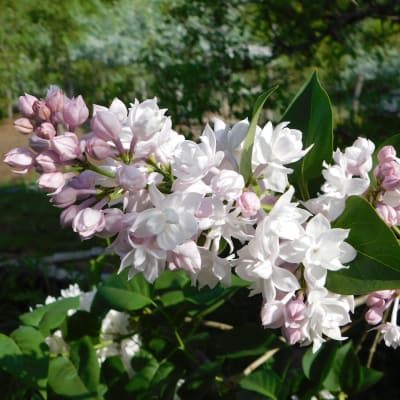
Syringa vulgaris 12x8'. Dazzling pearly lavender-pink buds open to delicate double light pink-shaded white flowers tinged with lavender. Long bloom period. Z3.
read more
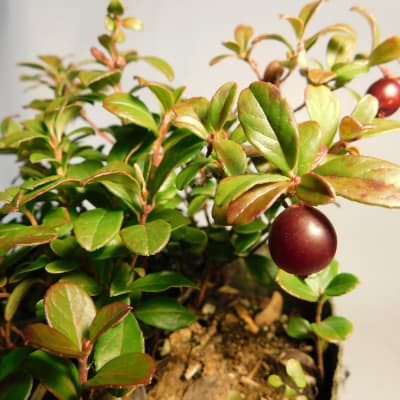
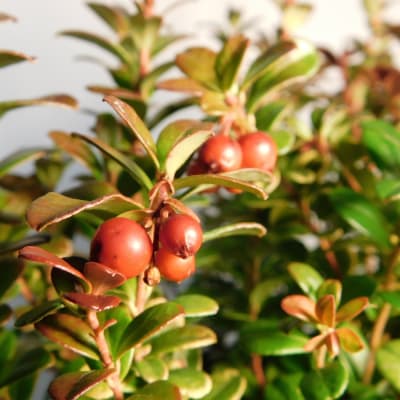
Vaccinium vitis-idaea 5-9". Newer cultivar selected from an open-pollinated seedling of Sanna, a wild strain. Strong producer of medium-sized berries. Z2.
read more
Vaccinium vitis-idaea 4-8". From open-pollinated seed collected in southwest Finland. Produces firm small-to-medium berries with good flavor. May bloom twice in one season. Z2.
read more
Tagetes patula (60 days) Open pollinated. Anemone-flowered dwarf. Bicolored double blooms are deep rusty orange, petals edged with gold. 10-12" tall.
read more
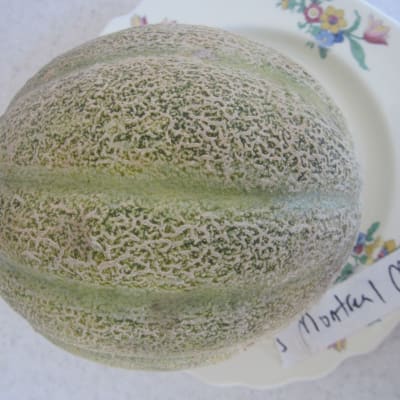
Cucumis melo (89 days) Open pollinated. Green-fleshed heirloom, once the most widely grown in Canada, New England. Netted and ribbed fruits with aromatic silky texture. Can get quite large.
read more
Ipomoea purpurea (50 days) Open pollinated. Rich deep purple flowers vibrate against lush green foliage. Starts blooming while it is only 2' tall and still vining.
read more
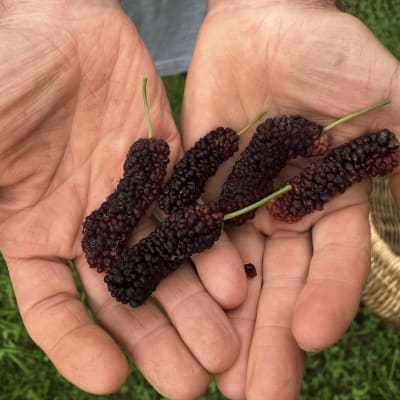
Morus alba × M. rubraThese are hardwood cuttings for propagation using rooting hormone. 30x20' One of the most renowned mulberry varieties. Self-fruitful cultivar, so only one plant is required for fruit.
read more
Tropaeolum minus (60 days) Open pollinated. Named for the dessert. Primrose-cream blossoms with pearly red centers. Sets abundant blooms above compact lily-pad foliage.
read more
Nicotiana sylvestris Open pollinated. Clusters of drooping tubular white blossoms that perfume the garden day and night. Full powerful scent. 4–5' tall.
read more
Abelmoschus esculentus (85 days) Open pollinated. Big fluted tender green pods on sturdy plants. Will produce in central Maine, but better suited to farther south.
read more
Allium cepa (107 days) F-1 hybrid. 16-18 oz glossy deep red globes similar to Redwing, but it sizes more consistently regardless of dry or wet conditions.
read more