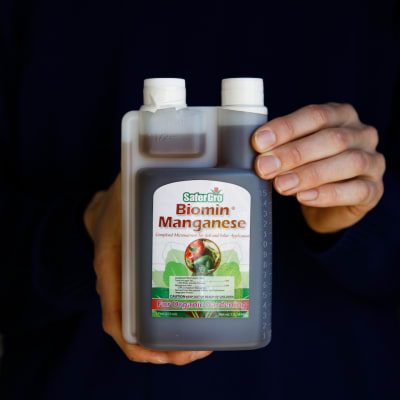
Manganese helps plants to synthesize chlorophyll and is used in electron transport during photosynthesis. Contains 1% nitrogen from vegetable protein and 5% chelated manganese.
read more
Zinc is a component of auxin, an essential growth hormone, and is also necessary for proper root development. Improves cold tolerance. Contains 7% zinc derived from zinc sulfate.
read more
A powerful soil restoration amendment! Supports plant health and increases yields by facilitating roots’ uptake of plant nutrients and water. Improves levels of carbon and humus.
read more
Brassica rapa (45 days) Open pollinated. Tall frilly medium-hot serrated green leaves with purple veins and shading, with nice variation among plants.
read more
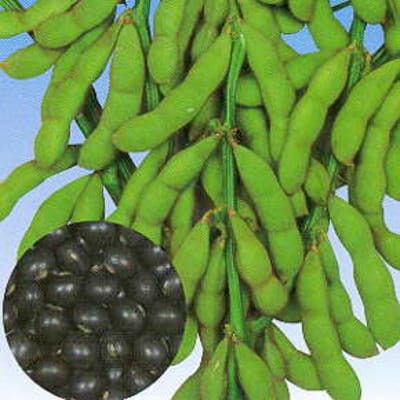
Phaseolus vulgaris (57 days) Open pollinated. A very refined haricot vert for home gardeners. Exquisitely tender, delicately flavored dark green pods are excellent raw with minimal bitterness.
read more
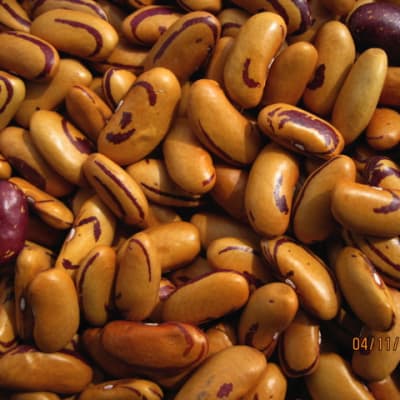
Phaseolus vulgaris (65 days shell, 85 days dry) Open pollinated. Among the most beautiful of all dry beans. Tender skins disappear upon cooking.
read more
Vaccinium corymbosum Early-Mid. Excellent post-harvest color retention makes them popular for markets. Sweet and sweetly scently firm berries. Z5.
read more
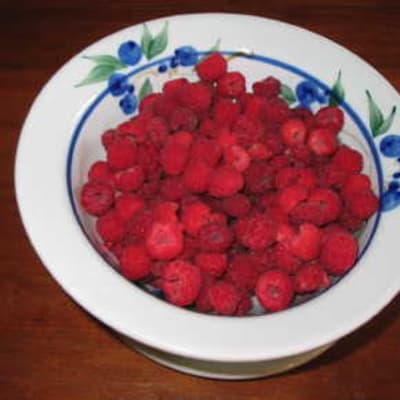
Rubus spp. Mid. Large berries are firm, a little crumbly and sweet. Full-flavored and aromatic. Great for fresh eating, canning, freezing, jam, juice or pie. Z3.
read more
Allium tuberosum Open pollinated. Grows like chives, 1' tall, but has flat strap-like leaves that taste like garlic and can be used as a garlic.
read more
Coreopsis tinctoria Open pollinated. Beautiful native ornamental. Provides a full palette of color from yellows and greens to rusts and browns-and even black.
read more
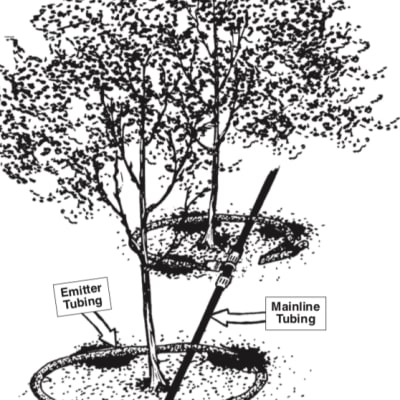
Emitter tubing delivers water where your new trees, canes, and shrubs need it most, while minimizing leaking and clogging. Includes instructions, tubing, couplers, and more!
read more
Trifolium repens Perennial legume. The lowest-growing clover. This shade- and traffic-tolerant perennial makes nice garden paths and living mulch. Our most popular clover.
read more
Triticum aestivum Annual grain. Hard red spring variety that bakers favor for its superior milling and baking qualities. High in protein, very high test weight. Solid disease resistance.
read more
Triticum aestivum Winter annual grain. Makes tender pastries, quick breads and pancakes. Also good for brewing wheat beers, or as a livestock feed.
read more
Foeniculum vulgare (90 days) F-1 hybrid. A sweet and mild bulb fennel that resists bolting. The delicate flavor will win over even fennel skeptics.
read more
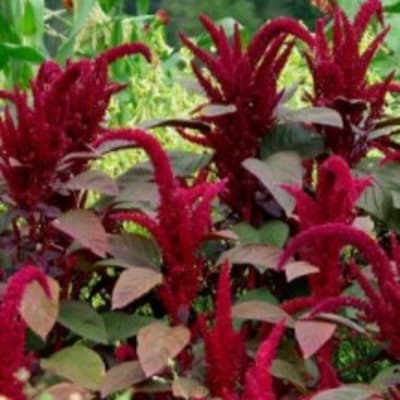
Amaranthus hybridus (65 days to flower, 125 days to seed) Open pollinated. Is it a green vegetable? An ornamental? A gluten-free grain? Why, yes! No wonder Amaranth was sacred in pre-Columbian Mexico.
read more
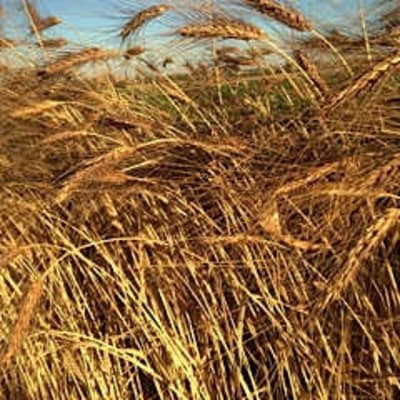
Triticum aestivum (95 days) Open pollinated. Dual-purpose spring wheat: Harvest early for ornamental grain, later for 6-row wheat for baking.
read more
Vitis spp. Mid. Clusters of medium-sized dark grapes with a heavy blue bloom. Our most popular seeded grape. Excellent for fresh eating, jelly and juice. Z3.
read more
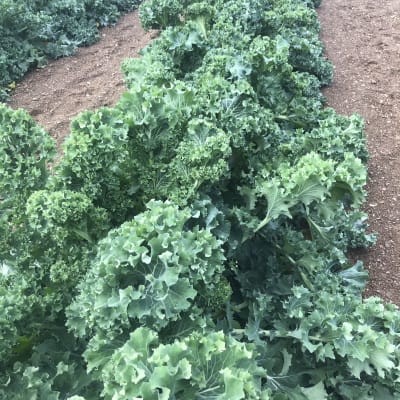
Brassica oleracea (60 days) Open pollinated. This kale is a Maine celebrity! Overwinters for many and self sows with gusto. Tender all summer.
read more
Cucumis melo (77 days) F-1 hybrid. Thick silky firm orange flesh. Tan-green round 3 lb fruit. Harvest at full slip and ripen off the vine 1-3 days.
read more
Good all-purpose plastic mulch for cool-weather areas. Excellent weed suppression. Increases soil temperatures by several degrees. Recommended for tomatoes, cucurbits and sweet corn.
read more
Upper white layer reflects sunlight back on the plants, increasing photosynthesis. Black lower layer blocks light to suppress weeds. Keeps soil temperatures lower for cool-loving crops.
read more
Suppresses weeds nearly as well as black mulch and lets infrared light through to warm the soil beneath more quickly and to a higher temperature. Adds days to the growing season for northern growers.
read more
Centaurea americana (90 days) Open pollinated. Annual. Resembles a thistle, but no prickles. Grassy honey-like fragrance. Native to south-central U.S. and northeastern Mexico.
read more
Campanula carpatica Open pollinated. Perennial. Also known as Bellflower or Carpathian Harebell. Masses of light azure bellflowers above a tidy mound of foliage. Pelleted for ease of sowing.
read more
Chasmanthium latifolium Open pollinated. Perennial. Strong 2' arching stems with airy flattened seedheads are beautiful for dried arrangements. Native ornamental grass.
read more
Agastache foeniculum Open pollinated. Perennial can grow 3' tall, 2' wide. Vigorous self-sower. Anise-scented foliage and purple flowers delightful as a tea or culinary seasoning, or filler in mixed bouquets.
read more
Agastache foeniculum Open pollinated. Perennial can grow 3' tall, 2' wide. Vigorous self-sower. Anise-scented foliage and purple flowers are delightful as a tea or culinary seasoning, or filler in mixed bouquets.
read more
Dysphania ambrosioides (55 days) Open pollinated. Culinary herb native to Central America, often added to beans to deepen flavor and to mitigate flatulence. Sharp and pungent.
read more
Pycnanthemum incanum Open pollinated. A culinary herb, excellent cutflower and pollinator fave! “Mintier than mint” and less likely to spread.
read more
Levisticum officinale Open pollinated. Perennial. Umbelliferous, attracts beneficial insects, grows 3-6' and makes a dramatic architectural element in a decorative border.
read more
Mentha pulegium Open pollinated. Perennial. Hardy aromatic ground cover; plants creep with only the lavender flower stalks rising above the ground.
read more