Symphytum officinale 24-48" tall. Clusters of pinkish purple flowers above bristled foliage. Known for skin-soothing properties. Recommended as an orchard companion. Z3.
read more
Trifolium pratense Short-lived perennial legume. Up to 24". Vigorous and high-yielding clover suitable for pastures, underseeding and cover-cropping. More drought-tolerant than white clover.
read more
Lolium multiflorum Annual or winter annual grass. Extremely frost hardy. Widely adaptable. Will establish quickly in cool wet spring weather, providing a dense cover crop and outcompeting weeds. Good erosion control.
read more
Lolium multiflorum Annual or winter annual grass. Extremely frost hardy. Widely adaptable. Will establish quickly in cool wet spring weather, providing a dense cover crop and outcompeting weeds. Good erosion control.
read more
Iris versicolor 30-36" tall. Northeastern native species with gorgeous blue-violet flowers with bold purple veining and a white and lemon-yellow blaze. Early. Z2.
read more
Eutrochium fistulosum 4-6' tall. Dusky-rose flowers are held on beautiful wine-red stems dusted with a light purplish bloom. Adaptable to wet soils. Z4.
read more
Eutrochium purpureum 4-6' tall. Massive vanilla-scented pinkish-purple domed flowers in midsummer. Often found in average to dry woodland edges. Z3.
read more
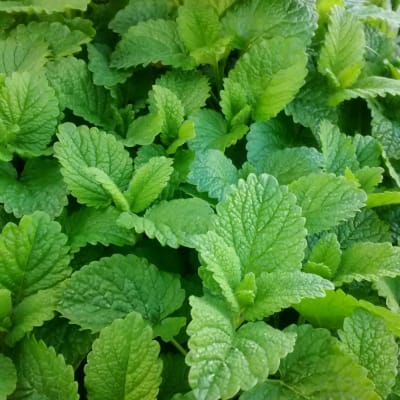
Melissa officinalis 18-24" tall. Lemony leaves are delicious in teas, salads, with fruit or dried for sachets. Attractive to pollinators. Z3/4.
read more
Urtica dioica 3-6' tall. Young shoots are high in minerals and leaves are delicious steamed as early spring greens. Cooking removes the sting. Spreads readily; choose your site carefully. Z2.
read more
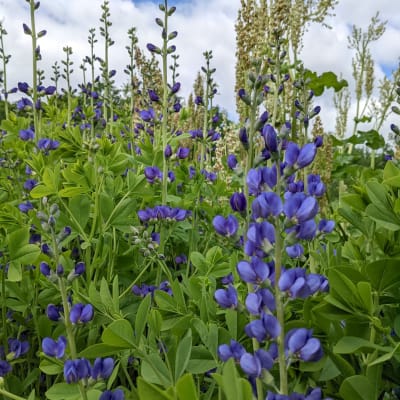
Baptisia australis 3-4' x same. Vibrant blue lupine-like flowers in early summer. Bushy habit and shrub-like structure once mature. Good for erosion control. Z3.
read more
Echinops ritro 3–4' tall. Luminous steel-blue spiky spheres on stiff stems with silvery green leaves. Excellent for fresh or dried arrangements. Blooms mid-to-late summer. Z3.
read more
Oligoneuron rigidum 2-5' tall. The gorgeous yellow-gold vibrancy of goldenrod packed into a dense, showy, flat-topped cluster. Attractive lush slate-green foliage. Z3.
read more
Sempervivum Low-growing rosette-forming succulents produce runners and babies. Drought and heat tolerant. Cold-hardy too! Colorful mix of reds, greens and purples. Z3.
read more
Chelone glabra 2–4' tall. Native wildflower blooms late along with the asters. A final feast for the bumblebees. Prefers moist soil, dappled light. Z4.
read more
Ammobium alatum (75 days) Open pollinated. Shimmery ½" pearl-like buds on long stems add a studded silvery sparkle to both fresh summer arrangements and to dried bouquets and wreaths.
read more
Dysphania ambrosioides (55 days) Open pollinated. Culinary herb native to Central America, often added to beans to deepen flavor and to mitigate flatulence. Sharp and pungent.
read more
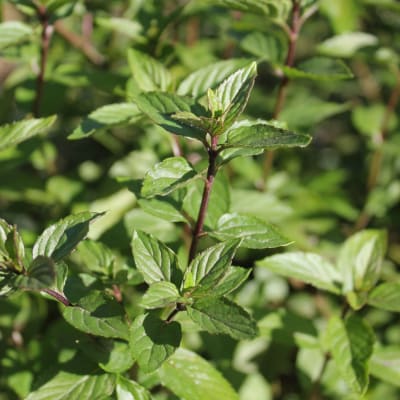
Mentha piperita 18-24" tall. Our favorite mint! Bright refreshing peppermint-patty flavor. Freshen your breath, settle your stomach and scent soaps and salves. Z4.
read more
Pycnanthemum virginianum 24-36" tall. Makes a tasty minty tea traditionally used to settle indigestion. Spreads readily. Densely flowered, attractive to pollinators. Native. Z4.
read more
Erica carnea 6-8" x 18" Profuse blooms very early spring through April with repeat blooms in August. Mounded mat-like creeping growth habit. Low maintenance! Z4.
read more
Kniphofia uvaria 36-48" tall. A tropical-looking riot of fiery red-orange fading to coral and soft white tubular inflorescences. Breathtaking and playful. Makes an unusual accent in cutflower arrangements. Z5/6.
read more
Antirrhinum majus (90 days) Open pollinated. Spikes of magenta and buttercream blossoms yellow throats bloom from mid-July into September. Ideal for beds, borders, and of course, cutflowers. A star in our 2023 flower trials.
read more
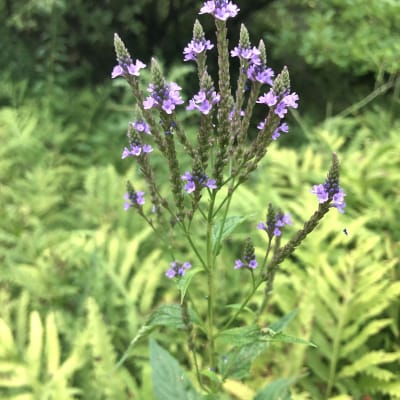
Verbena hastata 5-7' tall. Elegant tall branching spikes of vibrant blue-purple flowers. Attractive to pollinators. Used as a nervous-system tonic and mild sedative. Full sun. Native to North America. Z3.
read more
Verbena stricta 12-48" tall. North American native. Attractive to pollinators, most notably the Buckeye butterfly. Birds will devour the seeds! Blooms June through August. Z3.
read more
Withania somnifera Open pollinated. Upright shrub 2' with green-to-yellow flowers ripening to red berries. Roots are dried at the end of the growing season and used internally powdered or tinctured.
read more
Stevia rebaudiana (100-120 days) Open pollinated. Stevia is several hundred times sweeter than sugar, and is used fresh, dried, powdered or in a liquid as a sugar substitute.
read more
Cape Gooseberry - Tomatillos and Husk Cherry Seeds
Physalis peruviana (115 days) Open pollinated. Yellow fruits the size of cherry tomatoes on bushes 3-4' tall and wide. Tropical flavor; coconut, pineapple, citrus.
read more
Papaver orientale 10-15" tall. Dusky damson-plum–colored blossoms. A short version of the original Patty’s Plum poppy, a compost-pile surprise discovered in the 1990s. Z3.
read more
Asparagus officinalis Heirloom. Large early green stalks tolerate heat well and demonstrate good resistance to rust. Early, vigorous, uniform. Planted in American gardens for more than a century. Z3/4.
read more
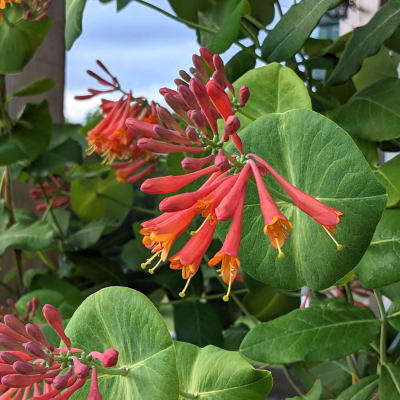
Lonicera × brownii 10-20'. Tall climbing honeysuckle. Non-invasive! Attractive to pollinators, especially hummingbirds. Species is native to North America. Z3.
read more