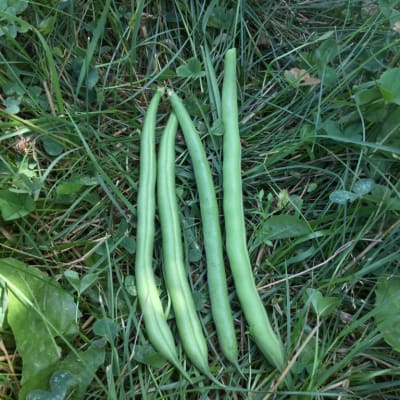
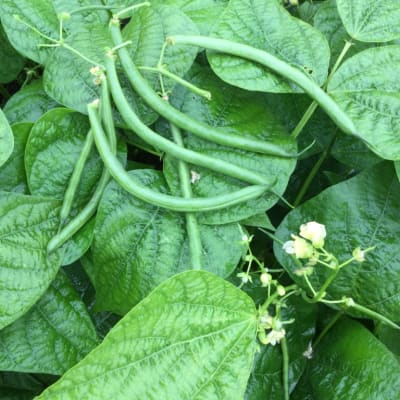
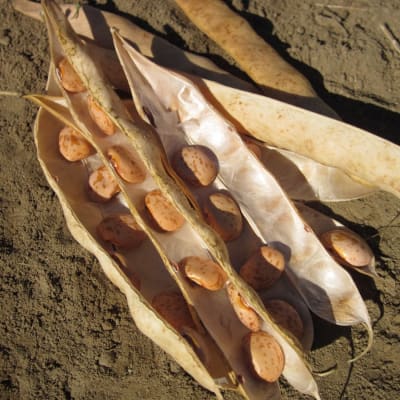
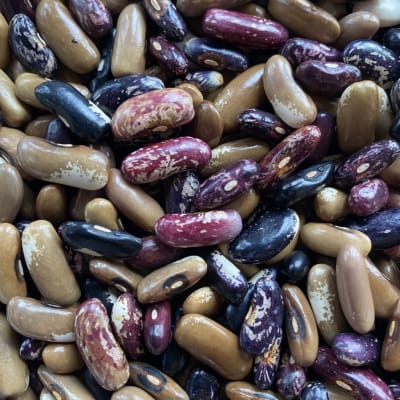
Phaseolus vulgaris (56 days) Open pollinated. High yields of tasty 5–7" straight slender round dark green beans. Holds quality well both on the plant and after harvest.
read more
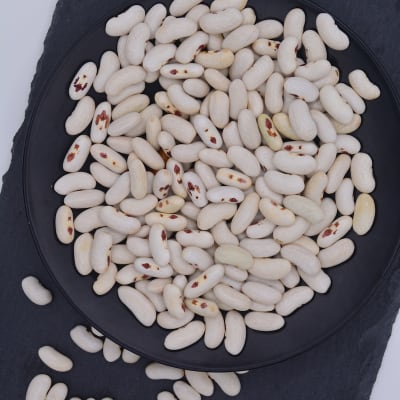
Phaseolus vulgaris (58 days) Open pollinated. 5.5" long green bean. Very stress tolerant and high yielding, with good texture and flavor. White seed.
read more
Phaseolus lunatus (103 days) Open pollinated. 18" tall. 3 tender beans per pod, grey in the shell stage and drying to buff with purple and black mottling. White flowers.
read more
Phaseolus vulgaris (70 days shell, 90 days dry) Open pollinated. Consistently one of the earliest dry pole beans. Chestnut-brown dry beans are wide and flat like limas.
read more
Phaseolus vulgaris (60 days) Open pollinated. Fortex begins producing early and keeps going into fall, long after others have quit. Its flavor and texture reign supreme, a distinctive nutty taste that can be enjoyed raw or cooked.
read more
Phaseolus vulgaris (70 days) Open pollinated. Beautiful 6-7" green pods with purple streaking. Tan seed with dark stripes. Also known as Preacher Bean.
read more
Phaseolus vulgaris (60 days) Open pollinated. Dubbed “weirdo beans,” by the student seed keepers at Troy Howard Middle School, these glorious mutts spin out a ragtag rainbow of patterns, habits and ancestral forms.
read more
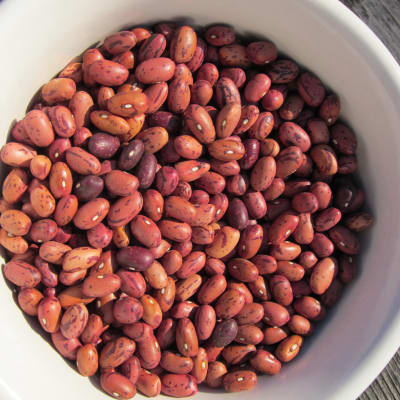
Phaseolus vulgaris (70 days shell, 95 days dry) Open pollinated. Pods contain 5-6 speckled cranberry-colored beans. Reliable and hardy heirloom.
read more
Phaseolus vulgaris (70 days shell, 95 days dry) Open pollinated. Pods contain 5-6 speckled cranberry-colored beans. Reliable and hardy heirloom.
read more
Glycine max (91 days) Open pollinated. Vigorous thigh-high vines make early concentrated sets of light green pods, averaging two beans per pod.
read more
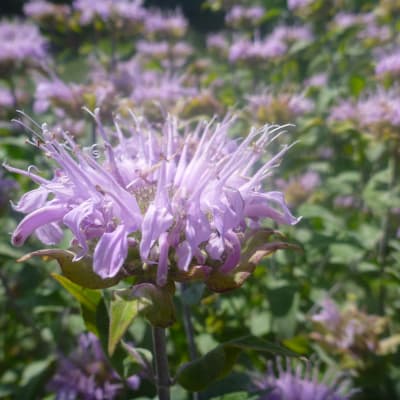
Monarda fistulosa 3-4' tall. Our native wildflower species with aromatic lavender blossoms. This is the variety most commonly used for medicinal purposes. Z3.
read more
Beta vulgaris (60 days) Open pollinated. Grown for greens, not roots. Large glossy reddish-purple leaves. Holds quality in summer but best in fall and under winter cover.
read more
Beta vulgaris (60 days) Open pollinated. Grown for greens, not roots. Large glossy reddish-purple leaves. Holds quality in summer but best in fall and under winter cover.
read more
Beta vulgaris (54 days) Open pollinated. Gold beet with Lutz shape, size and mild sweet flavor. Green tops with some golden stem. Golden orange roots with orange shoulders.
read more
Mycorrhizae form beneficial relationships with the roots of most plant species: they boost plant growth by improving the roots’ ability to take up nutrients, water and oxygen.
read more
A liquid combination of yeasts, actinomycetes, and bacteria. Promotes plant health and growth, and improves nutrient absorption and soil fertility. Our cannabis-growing friends can't do without it.
read more
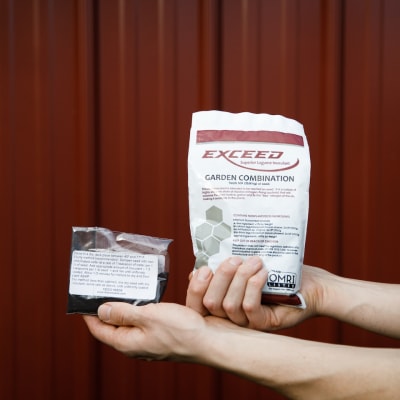
Inoculates peas, sweet peas, cowpeas, dry beans, peanuts, lentils, limas, vetch, and Sunn Hemp. We recommend using fresh inoculant each time you plant a legume.
read more
A granulated blend of 7 beneficial mycorrhizal fungi for mixing into soil. Add to seedbeds or work into the soil around your trees and shrubs to boost root growth, nutrient uptake and soil health.
read more
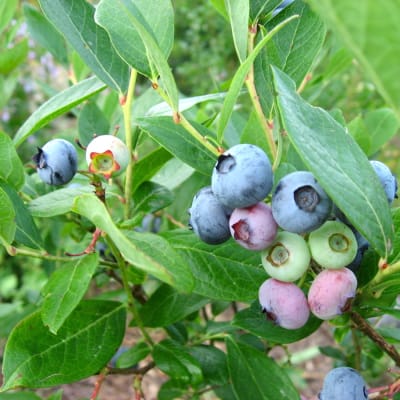
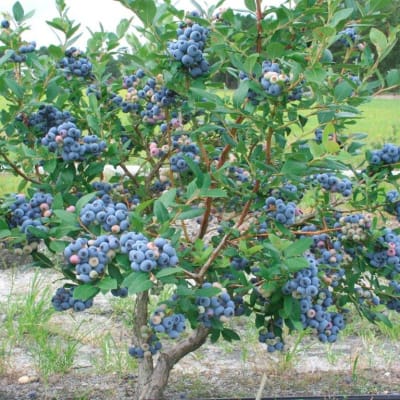
Vaccinium corymbosum Early-Mid. 5-7'. One of the best blueberries for eating, freezing, canning and preserving. Loose clusters are easy to harvest. Productive bush is vigorous and upright. Disease resistant. Z4.
read more
Vaccinium corymbosum Early-Midseason. 4-6' Large firm high dessert quality berries are considered the best-tasting by nearly everyone who grows highbush blueberries. Very vigorous and consistently productive. Z4.
read more
Vaccinium corymbosum Early-Mid. Excellent post-harvest color retention makes them popular for markets. Sweet and sweetly scently firm berries. Z5.
read more
Vaccinium corymbosum Early. 4-6'. Medium-large light blue firm fruit with excellent sweet flavor. Flavor holds up better than other varieties in the freezer. Vigorous upright high-yielding bush. Z4.
read more
Vaccinium corymbosum Mid-Late. 5-6'. Dense clusters of large fruit with exquisite balanced sweet and tart flavor. Stores well in refrigeration. Large vigorous upright shrub. Z4.
read more
Vaccinium corymbosum Mid-Late. 5-7'. Beloved old standard from 1928. Productive, adapted to a wide range of soils, highly praised, easy to grow and suited to the New England climate. Vigorous erect hardy bush. Z4.
read more
Vaccinium corymbosum Mid-Late. 5-6'. Medium-large berries are mild and sweet with low acidity. Uniform ripening, heavy yields, and good resistance to mummyberry. Z4.
read more
A must-read for anyone in the cannabis industry. Covers all aspects from soil and seed, to planting, growing and maintaining, through markets and product diversification. Funny and informative.
read more
The book you need to grow apples organically. This revised and expanded version includes apple-growing basics, as well as the latest research and strategies for successful organic orchards.
read more
This thorough and well-researched book features loads of educational tidbits and tips. Includes descriptions for 59 varieties with notes on taste, texture and suggested uses. Great for cooks.
read more
A gift to a world disoriented by ecological collapse and haunted by the question of what to do, Eisenstein’s book gets to the heart of the predicament of how to heal our planetary wounds.
read more
A soil science book for everyone! Filled with farmer anecdotes, insightful reference charts, and illustrations, this book is both engrossing and practical for anyone who works with soil.
read more
A foundational approach to herbal preparations and medicine making, and a must-read for anyone interested in incorporating medicinal herbs into daily life via an assortment of delicious recipes!
read more
Covers a wide range of crops, while addressing orchard design, dynamics and horticulture in unparalleled detail. Pruning, planting, companion planting, spraying, not spraying—it's all here!
read more