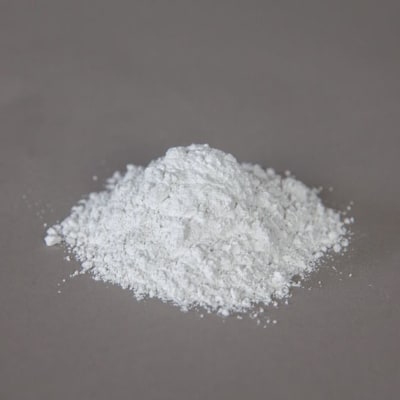
For a deluxe tree planting spot, choose this mix! Contains a broad spectrum of macro and micronutrients and soil conditioners that fruit trees thrive on. Follow our directions for use in the fall.
read more
Silicon is linked to improved yields, especially recommended for cannabis, orchard crops, cucurbits, sweet corn, grains and forage crops. Also helps build resistance to powdery mildew.
read more
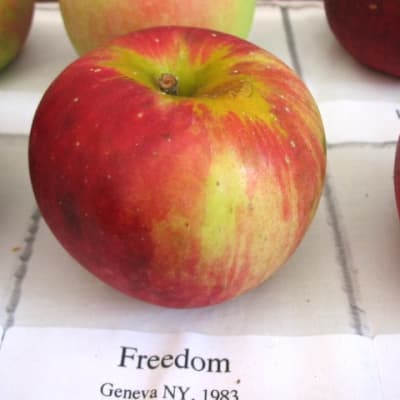
Malus spp. Early fall. Very high-quality and highly disease-resistant all-purpose apple. Juicy, firm, spicy flesh. Ripens early October, keeps until New Year. Productive and annually bearing. Z4.
read more
Malus spp. This is a twig for grafting. Early fall. Very high-quality and highly disease-resistant all-purpose apple. Juicy, firm, spicy flesh. Ripens early October, keeps until New Year. Productive and annually bearing. Z4.
read more
Malus spp. Fall. Crisp flesh with balanced sweet-tart flavor. Good fresh eating and great dried apples. Stores into the winter. Disease resistant. Z4.
read more
Malus spp. This is a twig for grafting. Fall. Possible Red Delicious seedling with a similar shape but a superior eating experience! Crisp flesh and balanced sweet-tart flavor. Good fresh, great dried. Stores into winter. Z4.
read more
Malus spp. Fall. Modern apple bred for disease resistance, shelf life and flavor. Great fresh eating. Flesh stays white when sliced. Easy-to-grow annual producer. Z4.
read more
Malus spp. This is a twig for grafting. Fall. Modern apple bred for disease resistance, shelf life and flavor. Great fresh eating. Flesh stays white when sliced. Easy-to-grow annual producer. Z4.
read more
Malus spp. Fall-winter. Large high-quality sweet dessert fruit. A modern apple worthy of the grocery-store world. Keeps most of the winter. Z4.
read more
Malus spp. This is a twig for grafting. Summer. Nice balance of tart and sweet. Crisp and juicy fresh-eating; fine cooking. Disease-resistant; scab immune. Z4.
read more
Prunus armeniaca Mid-late summer. Multipurpose sweet freestone variety is good for fresh eating, canning and drying. Most cold hardy of the Harrow series. Z4.
read more
Prunus armeniaca Summer. Small roundish yellow-orange apricot with a red blush. Smooth juicy freestone flesh with a mild sweet flavor. Extremely hardy. Z3.
read more
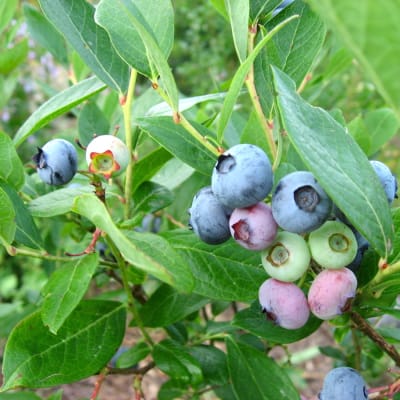
Vaccinium corymbosum Early. 4-6'. Medium-large light blue firm fruit with excellent sweet flavor. Flavor holds up better than other varieties in the freezer. Vigorous upright high-yielding bush. Z4.
read more
Rubus spp. Late. One of the most popular raspberries among home gardeners for being nearly thornless and for ripening late in the season. Stores well in the freezer. Highly vigorous sturdy canes. Z4.
read more
Prunus avium Summer. Large sweet fruit. Vigorous, productive, upright; bears consistently in central Maine. Self-pollinating, but benefits from second variety. Z4/5.
read more
Zea mays (102 days) Open pollinated. Two 4-6" stocky ears per stalk. 8' plant with long dark green leaves. Delicious 1885 Pennsylvania Dutch heirloom.
read more
Cucumis sativus (58 days) Open pollinated. Slicer from the same line as Marketmore 76. Fruit is slimmer and darker, with improved yield and disease resistance.
read more
Vitis spp. Early-Mid. High-quality white wine grape imparts pineapple and grapefruit flavors with very floral characteristics. Also great for fresh eating. Z3/4.
read more
Vitis spp. Very Early. Large seedless blue berries good for fresh eating, juice or raisins. Resists cracking and performs well in hot wet summers. Very vigorous. Z5.
read more
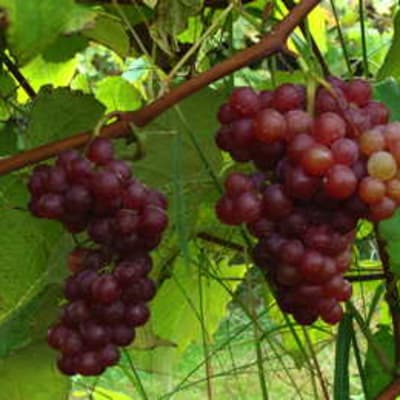
Vitis spp. Very Early. Large loose clusters of tender sweet pinkish-red grapes with a strawberry-like flavor. Good for fresh eating or juice. Stores well. Z4/5.
read more
Vitis spp. Mid. Large bright firm seedless deep red grapes with a fruity flavor. Makes the best raisins. Excellent fresh eating. Vigorous vines. Z4/5.
read more
Eruca sativa (44 days) Open pollinated. Cross of two European heirlooms and selected for vigor and cold hardiness. Turns purple when it freezes. Full of flavor.
read more
Lonicera sempervirens 6–10' long. Scarlet-red and yellow flowers. Straight species. Selected for excellent blossom set and outstanding resistance to powdery mildew. Z3.
read more
Iris sibirica 32" tall. Bred by legendary Maine hybridizer Currier McEwen in shades of creamy white with accents of yellow-green and buttery yellow. Early midseason to late. Z3.
read more
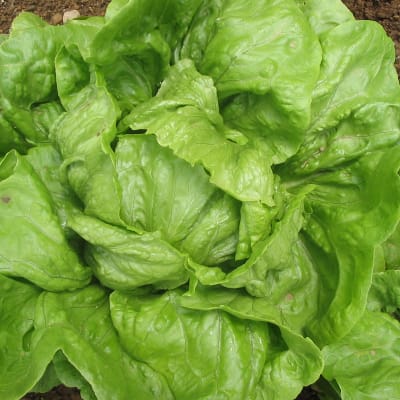
Lactuca sativa (72 days) Open pollinated. Slow-growing compact dark green Batavian with crisp outer leaves surrounding a round tightly-packed heart. Excellent heat tolerance.
read more
Lactuca sativa (49 days) Open pollinated. Standard red leaf lettuce. Attractive 10-16" heads with purplish red-splashed leaves. Lightly crunchy with melting texture. Withstands some heat.
read more
Prunus persica Mid-Late. Firm yellow flesh. Freestone. Bred for non-browning flesh quality and for good storage. Resists bacterial leaf spot. Z5.
read more
Prunus persica Early-Mid. Peento-type peach is flat, semi-freestone with sugary white flesh. Great for drying. Heavy yields on vigorous tree. Z4.
read more
Solanum tuberosum Mid-season, buff skin, white flesh. Smooth glossy skin and uniform tuber shape and size. Starchy texture is ideal for baking, mashing, fries and homemade chips.
read more
Solanum tuberosum Very early season, buff skin, yellow flesh. For keeping it classic, you can't beat Yukon Gold's tasty butter flavor and marketable appearance.
read more
Solanum tuberosum Very early season, buff skin, yellow flesh. For keeping it classic, you can't beat Yukon Gold's tasty butter flavor and marketable appearance
read more
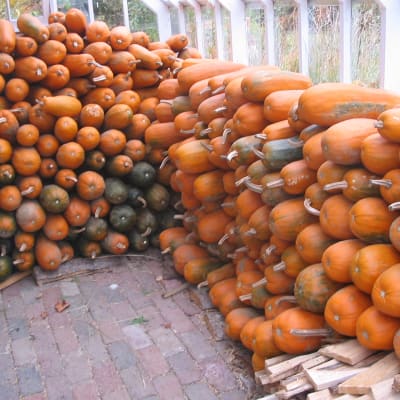
Cucurbita pepo (102 days) Open pollinated. Rare heirloom. 3-5 lb oblong fruits, green with an orange spot on the side. Ripen to full orange off-vine. Excellent for pies. Can store all winter.
read more
Cucurbita pepo (100 days) Open pollinated. Heirloom. 7-8 lb rich-orange globed fruit with distinct finely russeted netted skin. Excellent for pies.
read more