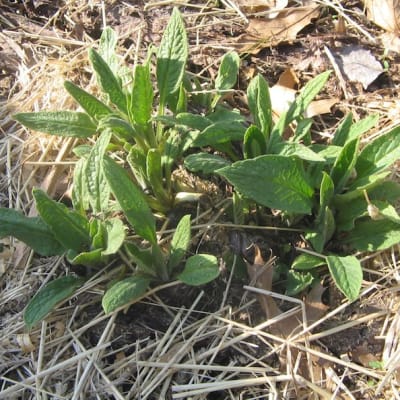
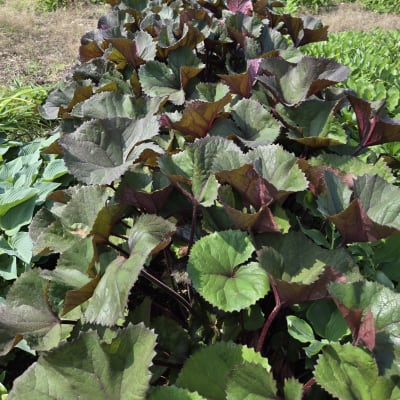
Symphytum × uplandicum 24–48" tall. Great companion plant for orchards. Excellent addition to the compost pile. Rich in silica, nitrogen, magnesium, calcium, potassium and iron. Z3.
read more
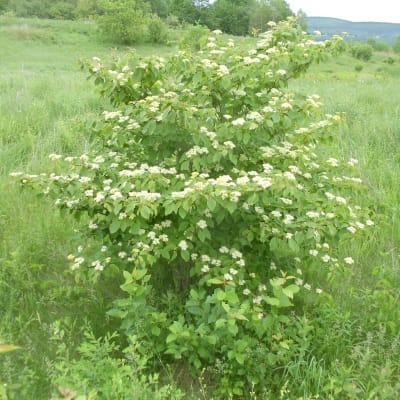
Cornus alternifolia 20' x 30-35'. Small tree or large multi-stemmed shrub with tiers of horizontal branches and fragrant white 2-3" flower clusters. Z3.
read more
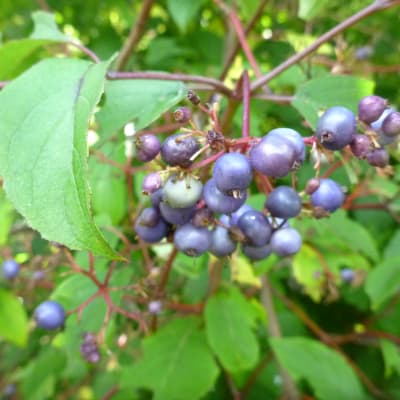
Cornus amomum 8-12' x same. Large rounded long-limbed shrub. Effective for erosion control, wildlife or pollinator habitat. Maroon bark visible in winter. Suckers and spreads. Native to eastern U.S. Z4.
read more
Three tools in one: punches holes in mainline for drip tape or spot emitters (with a very snug fit), cuts mainline and emitter tubing, and inserts spot emitters.
read more
This starter kit gives you everything you need for 200' of garden row-crop irrigation. Includes setup instructions, low-flow drip tape, as well as fittings, ends, couplers and more!
read more
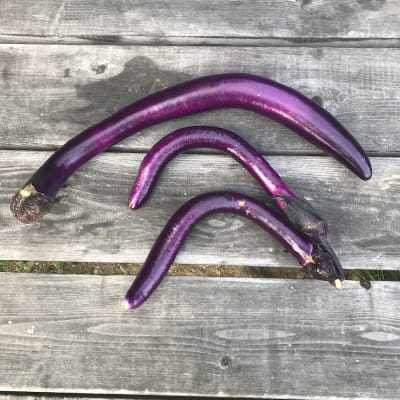
Solanum melongena (60 days) F-1 hybrid. This high-yielding hybrid version of Asian-type Pingtung Long produces 14"-long, 1½"-thick fruits with mild tender flesh.
read more
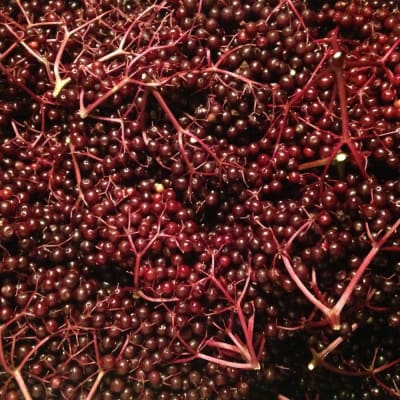
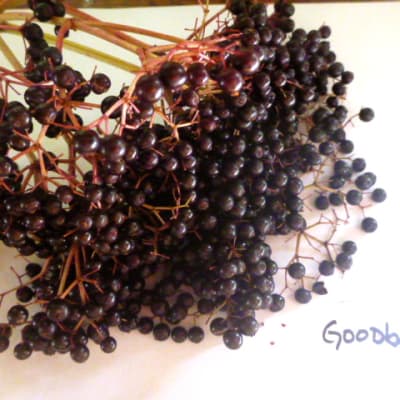
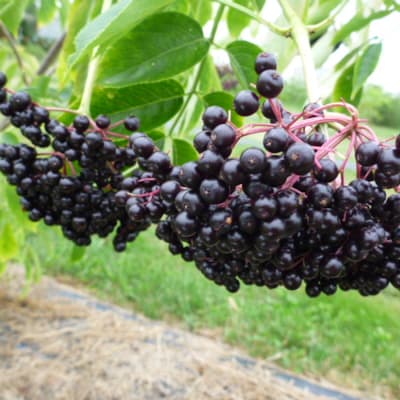
Sambucus canadensis 6-12' x same. Large elderberries and fruit clusters make for easy and fast picking. Very large vigorous strong productive bush. Z3.
read more
Sambucus canadensis 6-8' x same. Large clusters of large dark berries. High Brix level; great for winemaking. Upright, slightly spreading habit. Z4.
read more
Sambucus canadensis 5-10' x same. Blooms heavily and produces large elderberry crops annually. Hardy, vigorous with apparent self-fertility. Z3.
read more
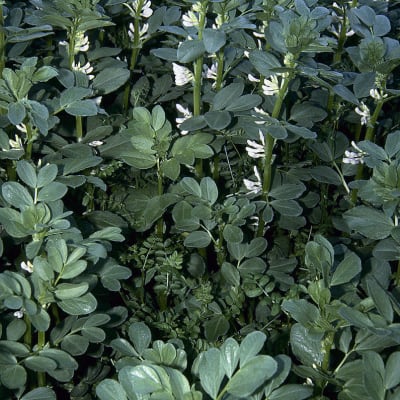
Vicia faba Annual or winter annual legume. Great for fixing nitrogen, and building large amounts of biomass. Bell beans will happily sprout in half-frozen soil, and tolerate a wide range of soil conditions.
read more
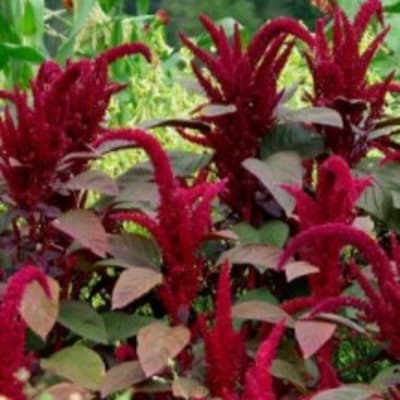
Amaranthus hybridus (65 days to flower, 125 days to seed) Open pollinated. Is it a green vegetable? An ornamental? A gluten-free grain? Why, yes! No wonder Amaranth was sacred in pre-Columbian Mexico.
read more
Brassica oleracea (acephala group) (60 days) F-1 hybrid. Tall plants with ruffled red leaves; color intensifies in cool weather. Very cold hardy ornamental edible.
read more
Lactuca sativa (46 days) Open pollinated. Folded and blistered light green leaves wrap into a tight crisp whorled 4" head that easily makes a single-serving salad.
read more
Allium cepa (116 days) F-1 hybrid. Long day. Large solid glossy globes—the best red storage onion for northern growers. Very high yield potential.
read more
Codonopsis pilosula Open pollinated. Perennial to Zone 4. Used in Chinese medicine like ginseng, but considerably easier to grow than true Panax ginseng.
read more
Pycnanthemum incanum Open pollinated. A culinary herb, excellent cutflower and pollinator fave! “Mintier than mint” and less likely to spread.
read more
Alchemilla mollis Open pollinated. Perennial. 12-18" Bears large loose sprays of tiny greenish-yellow flowers from early summer onward. Makes a good border and ground cover in shady locations.
read more
Silybum marianum Open pollinated. Named for the bold white splashes on its glossy leaves, said to be from Mary’s milk. Fast-growing 3-5' annual with leaves up to 8x24".
read more
Leonurus cardiaca Open pollinated. Perennial 2–4' plant with dull green leaves and tiny white to purple blooms. Bees love the flowering tops, which are used for tea or herbal tincture.
read more
Spilanthes oleracea Open pollinated. Used as a ground cover in the south, it adds unusual beauty with its low growth habit and its cute yellow flowers with rayless red-orange centers.
read more
Spilanthes oleracea Open pollinated. Used as a ground cover in the south, it adds unusual beauty with its low growth habit and its cute yellow flowers with rayless red-orange centers.
read more
Pycnanthemum virginianum 24-36" tall. Makes a tasty minty tea traditionally used to settle indigestion. Spreads readily. Densely flowered, attractive to pollinators. Native. Z4.
read more
Gaylussacia baccata 1-3' x 2-4'. Cousin of the blueberry. Less acidic, more mildly sweet flavor. Flowers in June, fruits in August. Full sun to part shade but fruits best in sun. Native to eastern U.S. and Canada. Z3/4.
read more
Rubus odoratus 3-6' x 6-12' Relative of the cultivated raspberry, with fragrant flowers and nutritious fruit. Thornless, long-blooming, attractive to pollinators. Excellent addition to wildlife hedges. Z4.
read more
Crataegus phaenopyrum 15-20' x 12-20'. Shrubby thorny low-branching dense tree. Used for centuries as a circulatory and cardiovascular tonic herb. Z4.
read more
Erica carnea 6-8" x 18" Profuse blooms very early spring through April with repeat blooms in August. Mounded mat-like creeping growth habit. Low maintenance! Z4.
read more
Diospyros virginiana 35-60' x 20-35'. Medium-sized native tree produces edible orange fruit used in pies, jams and jelly. May not always ripen north of Boston. Plant two or more for fruit. Z4/5.
read more
Phacelia tanacetifolia Open pollinated. Small frizzy lavender-blue flowers. Long bloom period. Excellent for pollinators and beneficial insects. Bushy 18-30" plants.
read more
Phacelia tanacetifolia Open pollinated. The small frizzy curling lavender-blue sprays provide high-quality pollen and nectar. Can be used to increase beneficial insect diversity and populations while suppressing weeds. Great for honey.
read more