Dicentra formosa 14-20" tall. Heart-shaped blossoms in late spring. With good moisture, the lacy foliage look nice all season. Full to dappled shade. Z3.
read more
Eschscholzia californica (60 days) Open pollinated. Cheery cup-shaped silky blooms range from light orange to deep rust, opening their faces to the sun each morning and closing up again at night.
read more
This design was featured on some staff-only apparel recently, and it was so well-loved that we decided to release it to the wider world on these 100% certified-organic cotton shirts.
read more
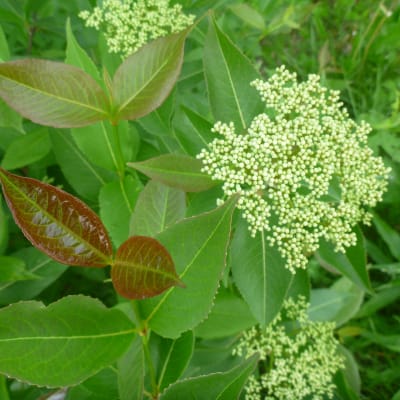
Cornus alternifolia 20' x 30-35'. Small tree or large multi-stemmed shrub with tiers of horizontal branches and fragrant white 2-3" flower clusters. Z3.
read more
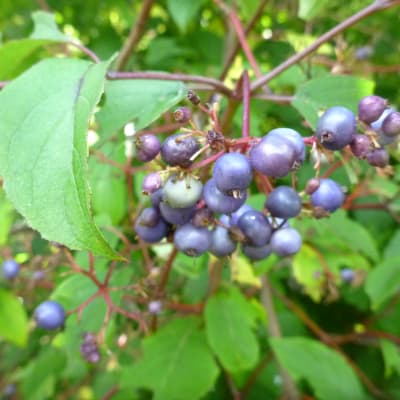
Cornus amomum 8-12' x same. Large rounded long-limbed shrub. Effective for erosion control, wildlife or pollinator habitat. Maroon bark visible in winter. Suckers and spreads. Native to eastern U.S. Z4.
read more
Cichorium intybus Perennial broadleaf, up to 18". Very high digestibility. Protein levels up to 50% higher than alfalfa. Stands may live 5 years or longer, but it’s also valuable for pasture or green chop.
read more
Lupinus mutabilis (130 days, longer to seed) Open pollinated. “Lost” crop of the Incas. Wild-looking 3' lupine native to the high Andes. Attractive, many-colored flowers. Protein-rich seeds.
read more
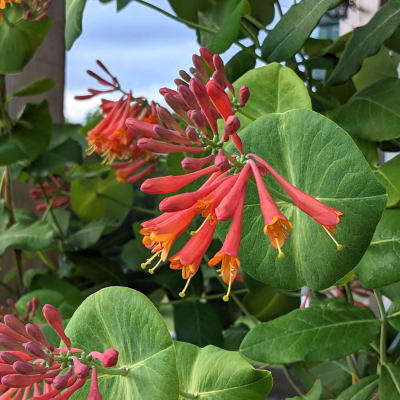
Lonicera × brownii 10-20'. Tall climbing honeysuckle. Non-invasive! Attractive to pollinators, especially hummingbirds. Species is native to North America. Z3.
read more
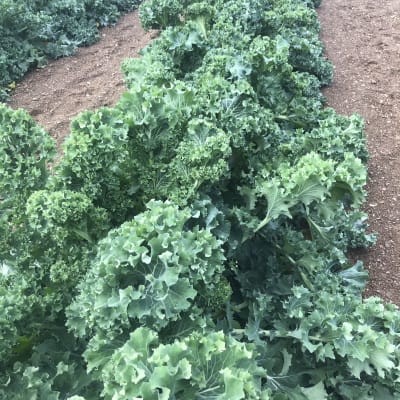
Brassica oleracea (60 days) Open pollinated. This kale is a Maine celebrity! Overwinters for many and self sows with gusto. Tender all summer.
read more
Lactuca sativa (51 days) Open pollinated. Best of the speckled types. Dark green ruffled leaves mottled with maroon-red spots. Sweet juicy veins, blushed pink heart. Poor heat tolerance.
read more
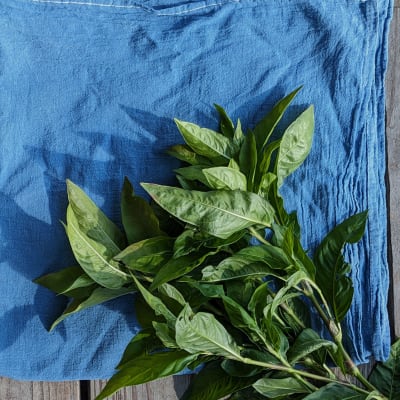
Persicaria tinctoria Open pollinated. Japanese indigo preferred by dyers in Maine. A tender annual, indigo thrives in fertile soil and likes heat and humidity.
read more
Rosmarinus officinalis Open pollinated. Beloved tender perennial growing to 3-4'. Cannot withstand temperatures below 17°, may be overwintered indoors if kept cool and moist.
read more
Myrica pensylvanica 5-10' x same. A common sight along Maine’s rocky shores. Fragrant glossy deep green leaves and small waxy berries. Fixes nitrogen and feeds wildlife. Z2.
read more
Lindera benzoin 6-12' x 8-12'. Large rounded multi-stemmed fragrant native shrub suited to moist or wet areas. Soft-yellow flowers. Glossy red edible berries. Z5.
read more
Rhus aromatica 5-6' x 6-8'. Leaves emit a pleasing aroma when crushed. Phenomenal fall colors. Adaptable and easy to transplant. Useful in erosion control. Native to eastern U.S. Z3.
read more
Viola × wittrockiana Open pollinated. Perennial to Zone 6. Heart-shaped leaves on mounded 4-6" plants covered with 3" mostly bicolor flowers, with darker whiskers and yellow eyes.
read more
Can be used to monitor the presence and level of insect pests, or as a control measure (on small plantings). For aphids, cucumber beetles, fungus gnats, corn root worms or whiteflies.
read more
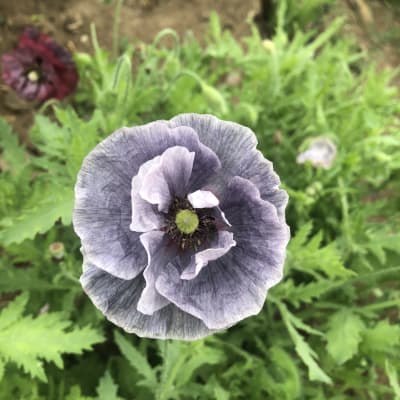
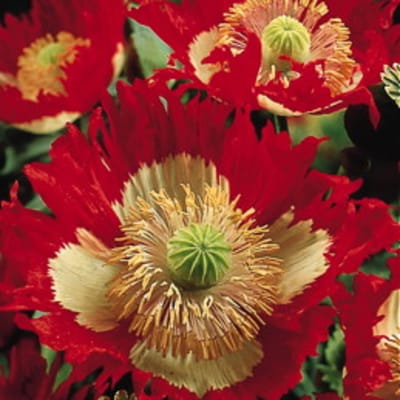
Papaver Open pollinated. White spots on petals form a cross reminiscent of the Danish flag. Attractive large seedheads ideal for drying. 27" stems.
read more
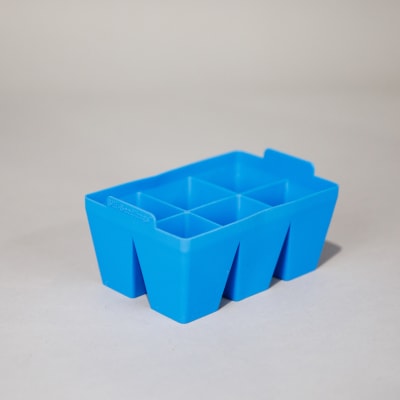
Tired of cheap plastic six-packs that fade and crack? Then invest in these crush-proof break-proof melt-proof freeze-proof seedling containers made of rugged BPA-free FDA-approved silicone.
read more
Strong injection-molded dishwasher-safe pots have efficient drainage holes, are easy to fill with potting mix, and are easy to extract seedlings from.
read more
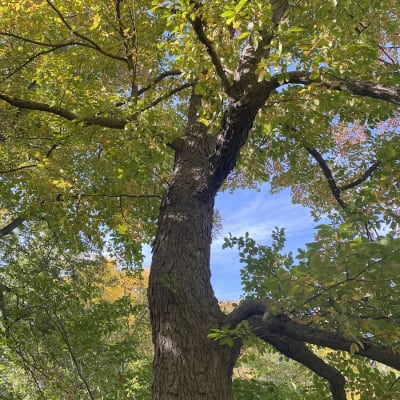
Nyssa sylvatica 40-85' x 20-30'. Medium-sized deciduous tree produces fruits that feed migrating birds. Vibrant fall colors. Can live up to 650 years! Z4.
read more
Spinacia oleracea (45 days) Open pollinated. Recommended for late fall, winter greenhouse, or overwintering under mulch. Large semi-savoyed medium-green spinach selected for cold hardiness.
read more
Cucurbita pepo (60 days) Open pollinated. Italian heirloom. Cylindrical. Deeply ribbed striped tender fruit. Excellent flavor. Also good for blossom production.
read more
Verbena stricta 12-48" tall. North American native. Attractive to pollinators, most notably the Buckeye butterfly. Birds will devour the seeds! Blooms June through August. Z3.
read more
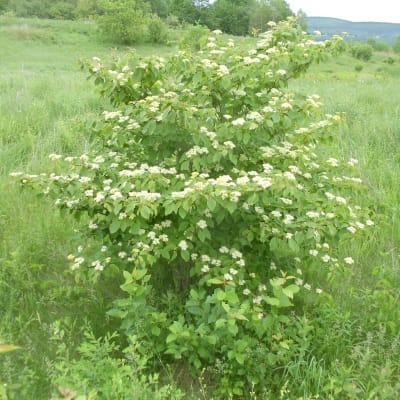
Viburnum cassinoides 5-6' × same. Dense suckering native shrub. White flowers from spring to early summer. Edible black fruit. Plant more than one for fruit. Z3.
read more
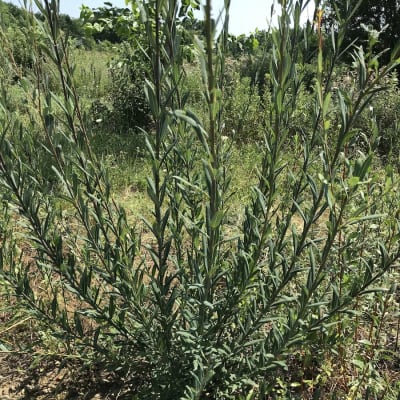
Salix purpurea 8-10'. Useful for willow basketry when annually coppiced. Produces long non-branching purplish-red rods that appear dark grey with purple-red in a finished basket. Z4.
read more
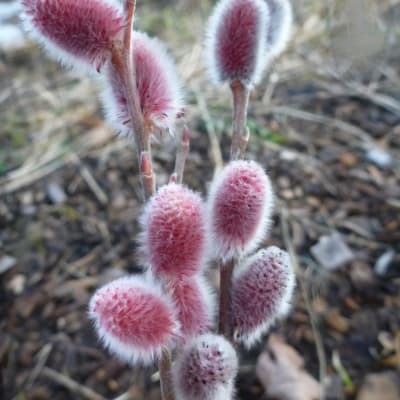
Salix gracilistyla 6x6'. Pink buds, cheery rosy pink catkins make a stunning early spring display of color. Excellent in cutflower arrangements. Z4.
read more