A good source of immediate potassium for depleted soil and of magnesium where calcium is abundant. Alliums like its sulfur and potatoes like its quick boost of potassium.
read more
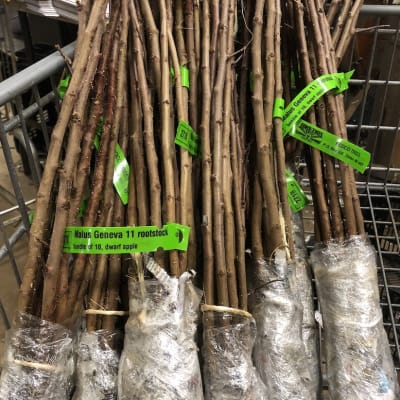
Malus spp. This is a twig for grafting. Late fall. European heirloom. Crisp fine-grained flesh with bold citrusy pineapple flavor. Good for dessert, cooking and pressing. Stores well. Z4.
read more
Malus spp. This is a twig for grafting. Fall. Large, crisp and juicy apple for dessert or culinary use. Keeps until about mid-December. Blooms midseason. Z4.
read more
Malus spp. This is a twig for grafting. Fall. Highly flavored dessert apple popular in the Victorian era for its complex spicy honey-nut flavor. Compact rugged tree. Z4.
read more
Malus spp. This is a twig for grafting. Fall-winter. Medium-sized rdark red fruit with cream-colored flesh. Firm, aromatic, excellent fresh eating. Stores up to 5 months. Z4.
read more
Malus spp. This is a twig for grafting. Fall. Large juicy apple. Crisp yellow flesh, balanced flavor. Good fresh eating and cooking. Keeps until January. Annual bearer. Z4.
read more
Malus spp. This is a twig for grafting. Fall. Tender mild juicy aromatic fruit for fresh eating and cooking. Productive and annual bearing. Z4.
read more
Malus spp. This is a twig for grafting. Winter. Medium-large, rich, spicy and juicy. A great late-winter dessert apple; good cooking. Stores until summer. Scab resistant. Z4.
read more
Malus spp. This is a twig for grafting. Fall-winter. All-purpose apple from Pennsylvania. Especially great for pies. Store into late winter. Z4.
read more
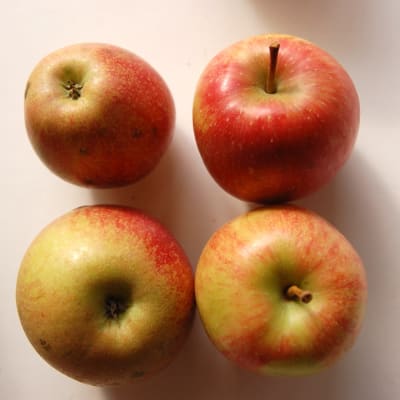
Malus spp. This is a twig for grafting. Late fall-winter. Relatively unknown dessert apple. Yellow fruit blushed with light scarlet red is crisp, firm, juicy and sweet. Decent keeper. Z4.
read more
Malus spp. This is a twig for grafting. Late summer. Medium-sized spice-flavored apple. One of the best for pies. Very good fresh eating, too. Probably blooms midseason. Z4.
read more
Malus spp. This is a twig for grafting. Early fall. High-quality flavorful dessert apple is light yellowish-tan. Crisp fine-textured creamy-white-yellowish juicy aromatic flesh has pear-like flavor. Z4.
read more
Malus spp. This is a twig for grafting. Fall-winter. Medium-sized juicy tender crisp lively lively dessert apple. Exceptionally delicious. Blooms early midseason. Z4.
read more
Malus spp. This is a twig for grafting. Fall-early winter. One of the first American varieties. Unforgettably peculiar sweet flavor. Very low acidity. Truly all-purpose. Z4.
read more
Malus spp. This is a twig for grafting. Fall. Small astringent very juicy fruit. Bittersharp cider apple. The most bitter apple you’ll ever taste. Not for eating fresh. Z4.
read more
Malus spp. Late fall. Full bittersweet cider apple. Low acidity and a nice astringency. If you’ve been looking for late-ripening bittersweets, try this one. Z4.
read more
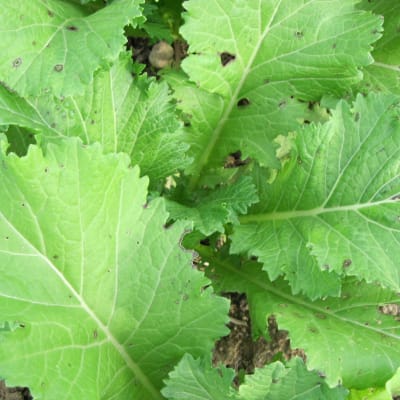
Brassica juncea (47 days mesclun, 62 full size) Open pollinated. Sweet succulent ribs and moderately pungent winter-hardy greens. Good for summer mesclun; excellent cut-and-come-again.
read more
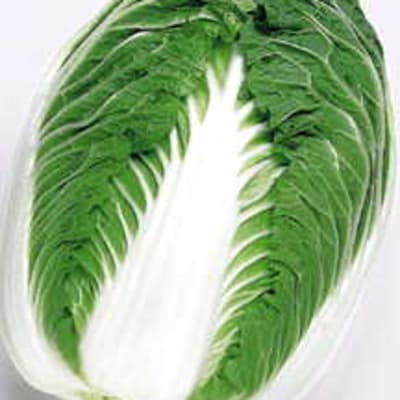
Brassica rapa (pekinensis group) (35 days) Open pollinated. Loose round chartreuse leaves, flat white stems, and blossoms, all edible. Can be cut small for mesclun. Fair bolt tolerance.
read more
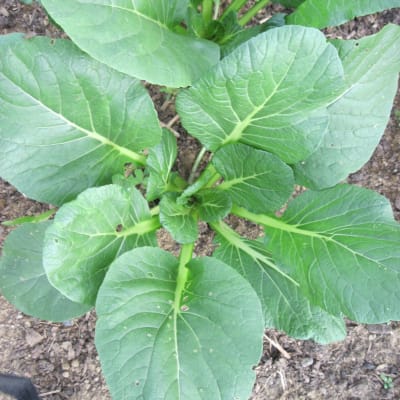
Brassica rapa var. perviridis (40 days) F-1 hybrid. Productive open plant habit with delicious round medium-green leaves. Spring sowings tolerate drought and heat into fall. Can be overwintered in warm climates.
read more
Brassica rapa (narinosa group) (21 days baby, 45 days mature) F-1 hybrid. Mild deep green tender leaves used raw or cooked. Good season extender. Excellent tolerance to heat, cold. Cut-and-come-again.
read more
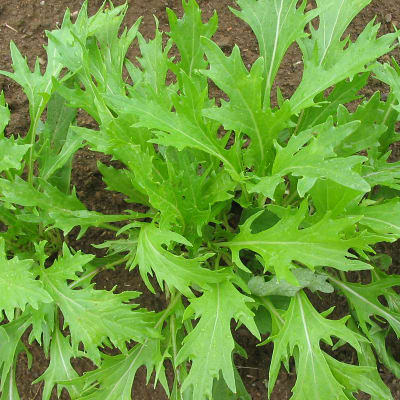
Brassica juncea (20 days baby, 40 days mature) Open pollinated. Light golden-green leaves are curled and lacy, adds lift to salad mixes. Mustardy zing. Resists bolting in heat.
read more
Brassica juncea (45 days) Open pollinated. Best-adapted mustard for northern climates. Hot mustardy flavor. Will come back when cut. Slow to bolt. Can be overwintered.
read more
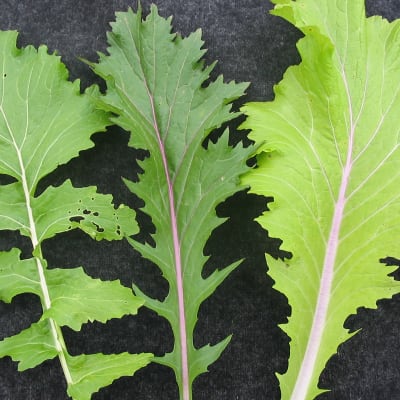
Brassica rapa (japonica group) (40 days) Open pollinated. Japanese heirloom. Deeply cut fringed leaves on slender white stalks. For microgreens, cut-and-come-again, succession plantings and baby leaf production.
read more
Brassica rapa (45 days) Open pollinated. Tall frilly medium-hot serrated green leaves with purple veins and shading, with nice variation among plants.
read more
Brassica oleracea (alboglabra group) (45 days) Open pollinated. Dark green large tender leaves with just the right kind of mustardy bite. Prolific yields can be harvested at full size or as baby greens.
read more
Perilla frutescens var. crispa (85 days) Open pollinated. Japanese heirloom. Ornamental and edible purplish-red anise-scented leaves. Used in sushi, sauces, garnishes, pickles, stir-fries, and to color umeboshi plums red.
read more
Ocimum basilicum Open pollinated. Vigorous mulberry-tinted basil with anise fragrance makes a highly decorative tall bushy plant. Slow to bolt.
read more
Cicer arietinum (105 days dry) Open pollinated. A garbanzo developed to be tolerant of cold soils and light frosts. 2' plants with ornamental flowers bear abundant two-seeded pods with black medium-sized beans.
read more
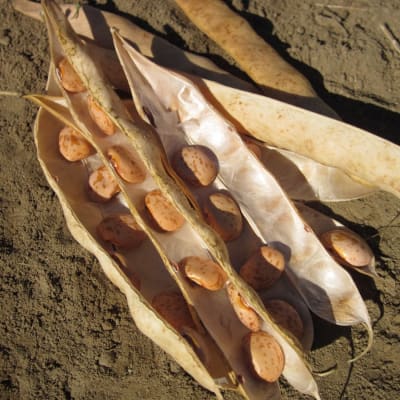
Phaseolus vulgaris (70 days shell, 90 days dry) Open pollinated. Consistently one of the earliest dry pole beans. Chestnut-brown dry beans are wide and flat like limas.
read more
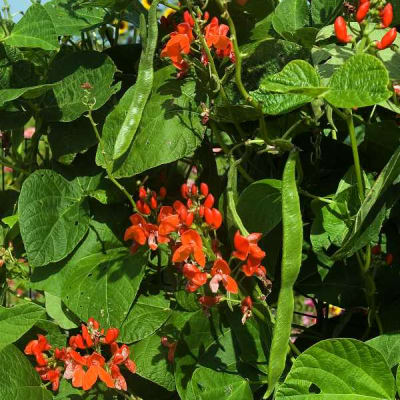
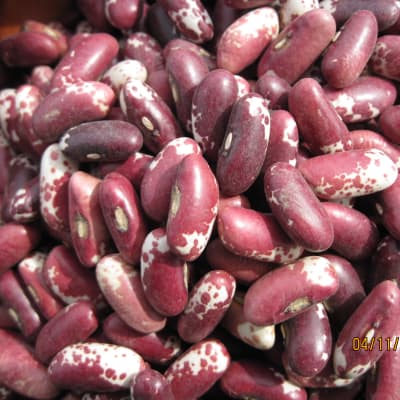
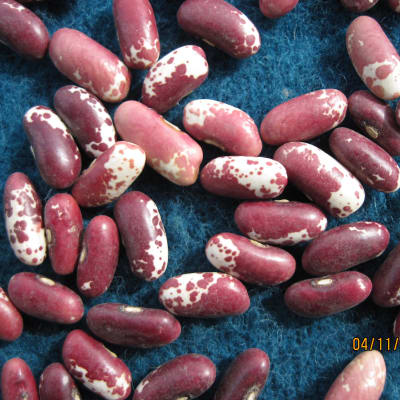
Phaseolus coccineus (70 days snap, 95 days shell) Open pollinated. 10-12' tall. Mottled black and purple seeds. Ornamental brilliant scarlet blossoms. Snap or shell bean.
read more
Phaseolus vulgaris (60 days shell, 85 days dry) Open pollinated. Plump shiny black beans! Can be harvested as a shell or dry bean. Dry pods resist shattering, yet are easy to shell.
read more
Vigna unguiculata (65 days shell, 90 days dry) Open pollinated. Cowpeas for the North! Small white bean matures quickly. Easy-to-pick yellow pods. Beautiful yellow flowers on bushy semi-erect plants.
read more