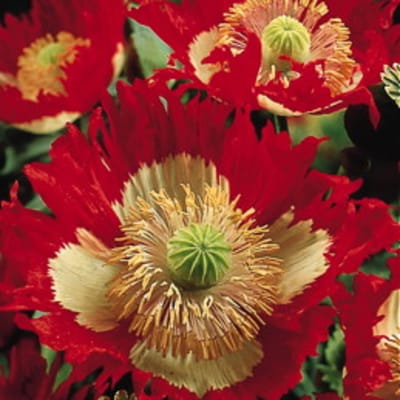
Papaver Open pollinated. White spots on petals form a cross reminiscent of the Danish flag. Attractive large seedheads ideal for drying. 27" stems.
read more
Papaver Open pollinated. Double-purpose poppy produces white lavender single blossoms and large seed heads. White seeds have sweet, nutlike taste. 4'.
read more
Papaver Open pollinated. 3' tall. Mostly pink on the outer two thirds of the petal edge with a slight purple blush in the middle and on the petal backs. Double, but not a full pompon.
read more
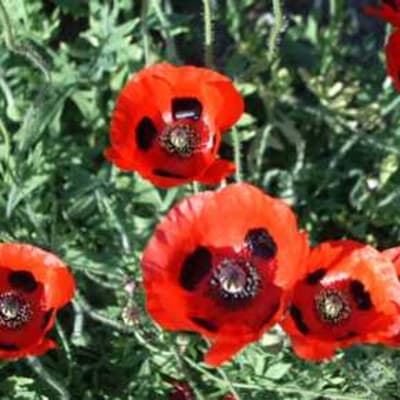
Papaver Open pollinated. Fire engine-red blooms resemble ladybugs with four black center dots. Compact 1½" delicate single blooms atop wiry 15" stems.
read more
Raphanus sativus (26 days) Open pollinated. Popular plum-colored ping pong ball-sized radish with crisp white flesh. Tolerant to culture under row cover.
read more
Kniphofia uvaria Open pollinated. A riot of yellow, orange and fiery red tubular flowers. Blooms July-September. An unusual accent in arrangements.
read more
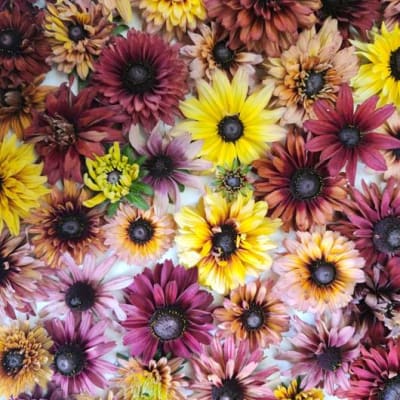
Rudbeckia hirta Open pollinated. With this stunning array of single and double blooms in raspberry, pink, yellow and copper, you'll have lovely bouquets and feast for the pollinators from midsummer to frost.
read more
Rudbeckia hirta (86 days) Open pollinated. Bright 4" golden-orange blooms with deep-set brown eyes. Long strong stems set on 24-30" plants make this an outstanding cutflower.
read more
Rudbeckia fulgida Open pollinated. Golden-yellow flowers with dark central cones. Much larger flowers—up to 5" across—than the common wildflower. Ideal for cutting. 2' tall.
read more
Rudbeckia hirta (88 days) Open pollinated. Very large and distinctive. Pointy golden petals with light yellow tips. Branching 24-30" plants have long stems, ideal for cutflowers.
read more
Betula nigra 60-80' x 40-60' Very large graceful rounded tree with beautiful bark. Foliage yellows before dropping. Fast growing, trouble free. Z4.
read more
Catalpa speciosa 40-60'. Dense foliage of heart-shaped leaves provides excellent shade. Incredibly fragrant jasmine-scented white blossoms. Grows rapidly. Attracts pollinators. Native to central U.S. Z4.
read more
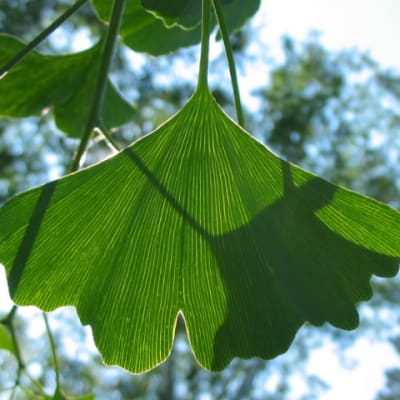
Ginkgo biloba 50-80'. Slow-growing, long-lived tree with unique fan-shaped foliage. Leaf tea used medicinally. Very adaptable and tolerant. Minimal maintenance required. Z5.
read more
Gleditsia triacanthos 50' x 30-35'. Beautiful fast-growing nitrogen-fixing tree. Good for erosion control. Tolerates drought, pollution, salt, disease and insects. Z4.
read more
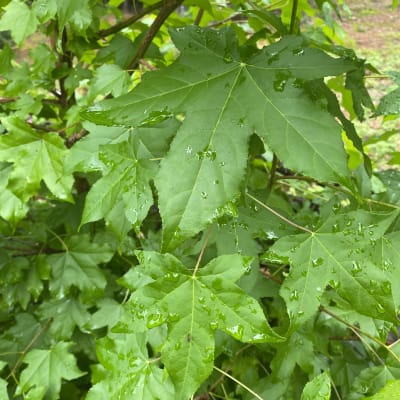
Liquidambar styraciflua 60-80' x 40-60'. Delightful star-shaped leaves and hard round prickly gumball-like “fruit”. Colorful fall display. Native from CT into Mexico. Z5.
read more
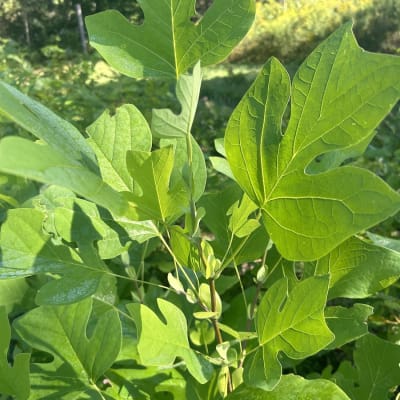
Liriodendron tulipifera 60-90' x 30-50'. Also called Tulip Poplar. Highly ornamental shade tree. Large tulip-like flowers attract hummingbirds. Native to eastern U.S. Z4/5.
read more
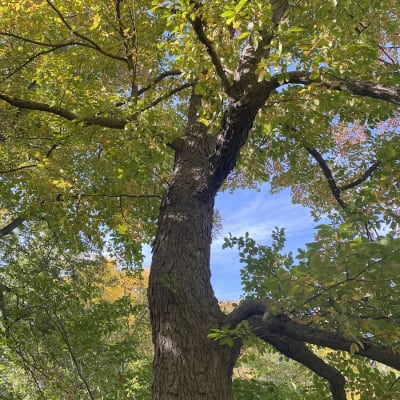
Nyssa sylvatica 40-85' x 20-30'. Medium-sized deciduous tree produces fruits that feed migrating birds. Vibrant fall colors. Can live up to 650 years! Z4.
read more
Spinacia oleracea (25-30 days to baby leaf, 45 days mature) F-1 hybrid. Tender smooth leaves perfect for the baby cut. Mature, large leaves still have mild sweet flavor. Bolt tolerant, disease resistant.
read more
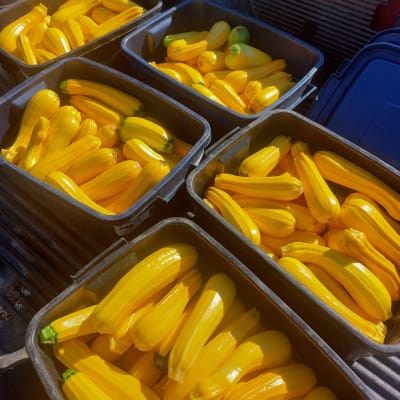
Cucurbita pepo (55 days) Open pollinated. Fast-maturing shiny ridged gold zucchini. Large fruits hit perfection at 1 lb, and are good for slicing and drying.
read more
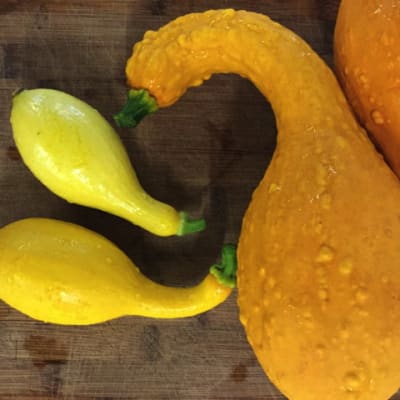
Cucurbita pepo (58 days) Open pollinated. Classic heirloom. Deep yellow warted fruit with bulbous blossom end and narrow curved neck. Excellent flavor.
read more
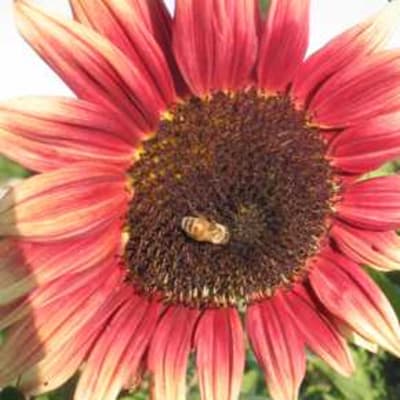
Helianthus annuus (55 days) F-1 hybrid. Ruby-red petals with lemon tips. Dark centers sometimes shade into pink. Gorgeous pollen-free 4-5" flowers on 6' branching plants.
read more
Helianthus annuus Open pollinated. Handsome single-headed 5' sunflower. Double ring surrounded by deep yellow petals makes a striking display. 8-10" blooms. A superb cutflower.
read more
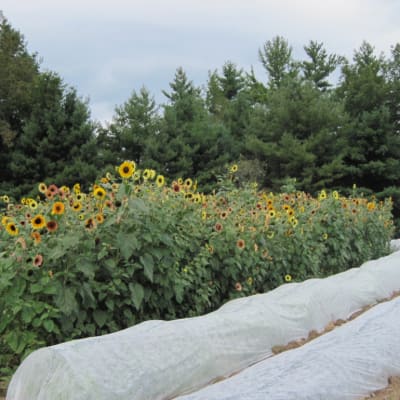
Helianthus annuus (63 days) Open pollinated. These sunflowers have small dark centers and pointed petals in various hues including yellows, golds, maroons and reds. 6–7' tall.
read more
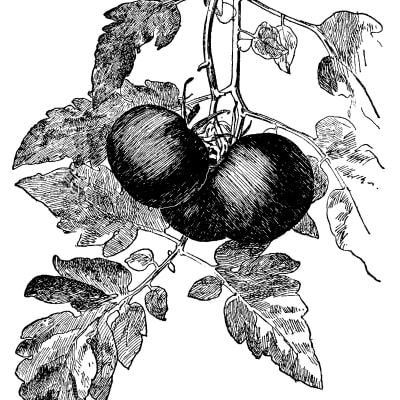
Solanum lycopersicum (75 days) Open pollinated. Iridescent garnet-colored 5-7 oz globes, most uniformly handsome. Outstanding flavor. Reliable, heavy-yielding.
read more
Verbena stricta 12-48" tall. North American native. Attractive to pollinators, most notably the Buckeye butterfly. Birds will devour the seeds! Blooms June through August. Z3.
read more
Square peat pots can be packed more tightly than round ones. Can be put directly in the ground without disturbing seedlings. 3" square, 3⅛" tall. 18 fit in a standard 1020 Tray.
read more
Calcium helps strengthen plants’ cell walls, improving crop quality, disease resistance and storage capacity. Can help prevent problems like blossom end rot and bitter pit.
read more
Copper is necessary for efficient photosynthesis and respiration and affects the sugar content and flavor of produce. Contains 4% chelated copper derived from copper sulfate.
read more
Iron is essential for chlorophyll development and function, and is also involved in nitrogen fixation by legumes. Contains 5% chelated iron derived from ferrous sulfate.
read more
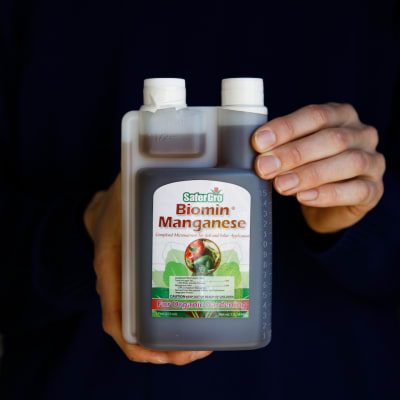
Manganese helps plants to synthesize chlorophyll and is used in electron transport during photosynthesis. Contains 1% nitrogen from vegetable protein and 5% chelated manganese.
read more
Zinc is a component of auxin, an essential growth hormone, and is also necessary for proper root development. Improves cold tolerance. Contains 7% zinc derived from zinc sulfate.
read more
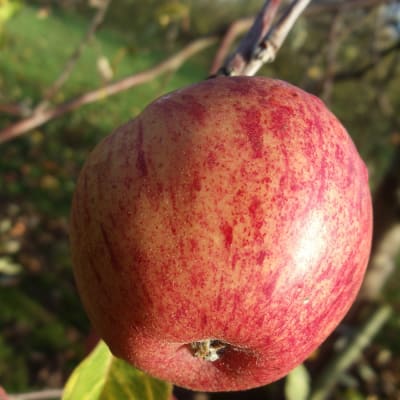
Malus spp. This is a twig for grafting. Early fall. Medium bittersweet cider apple. Sweet, crisp and juicy. Soft, astringent, tannin. Useful for its early ripening. Midseason bloomer. Z4.
read more
Malus spp. This is a twig for grafting. Late fall. Full bittersweet cider apple. Lots of tannin. Light yellow fruit mostly covered with tan russet. Combine with other late varieties. Z4.
read more
Malus spp. Fall. Bittersharp cider apple. Dark red crabapples look like enlarged cranberries. Mostly tart and slightly sweet with a bitter finish. Z4.
read more