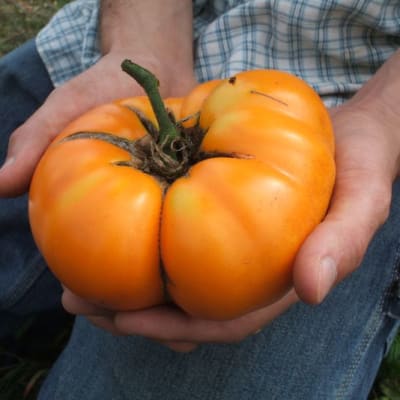
Solanum lycopersicum (82 days) Open pollinated. Yellow large slightly ribbed 1 lb fruit with ring-scar at blossom end. Variable quality; eat the pretty ones, compost the rest. Potato-leaf foliage.
read more
These loppers use a simple ratcheting mechanism to increase the pressure from your grip five-fold. Branches up to 1½" cut cleanly with less strain and fatigue than with traditional loppers.
read more
No amount of prying in the garden will bend this sturdy digging tool! Thick concave steel blade with beveled edges tapering to a point, one semi-sharp smooth edge and one serrated edge. Wood handle.
read more
These shears have straight blades with slightly rounded tips, which prevent damage to fruiting and vining crops, herbs and flowers. Carbon steel blades have a chromium coating to stop corrosion.
read more
The classic Felco hand pruners: heavy-duty, lightweight, comfortable to hold. Excellent cutting action. Easy to adjust and sharpen. Left-handed.
read more
Lightweight synthetic non-stick formula does not get resinous with age or oxidation. Cleans gardening and workshop tools. Provides an effective waterproof coating and protects against corrosion.
read more
Cut garlic scapes, harvest tomatoes, greens and herbs. A lightweight harvest shear that gets the job done, but is inexpensive enough for apprentice crews or careless gardeners.
read more
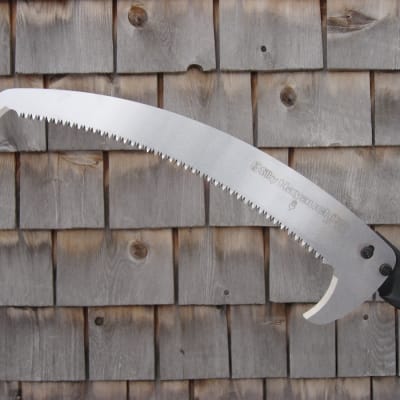
This curved-blade version affords more cutting power, especially when sawing above or below the torso. Lightweight yet incredibly durable and versatile. For medium limbs.
read more
Delivers incredibly smooth clean cutting with remarkable speed, making this compact saw the go-to for pruning and topworking limbs 4&# diameter or less. Loved by woodworkers, campers, and hunters too.
read more
Top-selling Silky saw in the commercial arborist market, and Silky’s most popular curved saw. Scabbard features a dual-roller system: the blade glides in and locks into place. For medium-large limbs.
read more
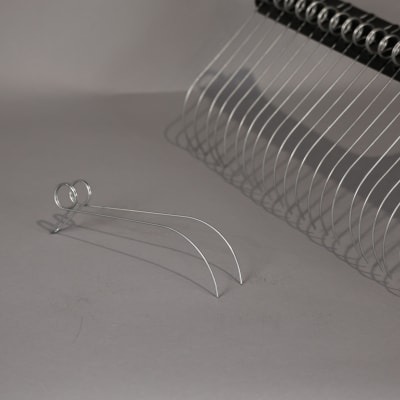
Torsion weeders have two wires that straddle the crop, taking out weeds that may be hugging the base of your plants. Don’t be surprised if this quickly becomes your favorite cultivation tool.
read more
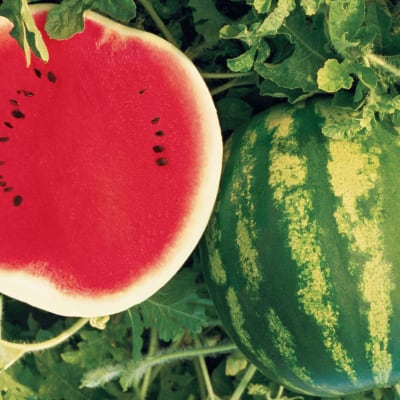
Citrullus lanatus (85 days) Open pollinated. Shipper. Reddish-pink flesh. Round to oval 9-12 lb fruit with dark green skin splotched with lime green.
read more
Citrullus lanatus (78 days) Open pollinated. De-hybridized Yellow Doll. Sweet yellow flesh, light green skin with dark green stripes. 5-8 lb icebox size.
read more
Cucurbita pepo (85 days) F-1 hybrid. Medium-sized multi-colored fruits have green, gold and yellow washed and flecked skin. Semi-bush plant with crown set.
read more
Specialty and Heirloom Squash - Winter Squash Seeds
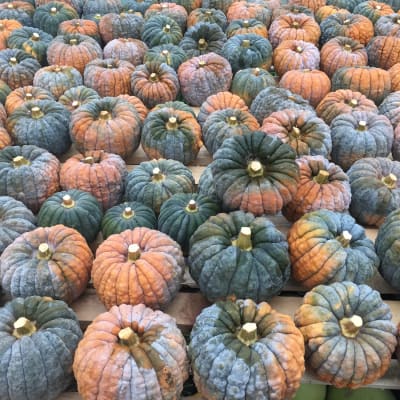
Cucurbita moschata (105 days) Open pollinated. Exquisite Japanese heirloom. Smooth fine-grained orange flesh has a rich, almost pumpkin-pie flavor. Edible skins are thin and tender enough to be served on the rind.
read more
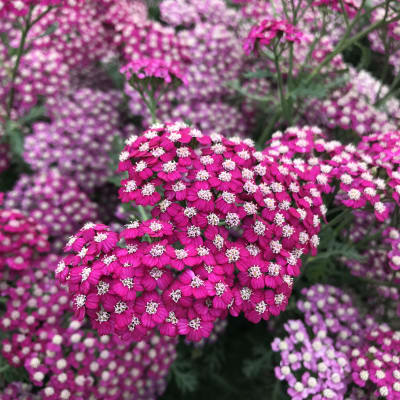
Achillea millefolium 24-28" tall. Charming bright magenta-violet flower clusters. Sturdy and upright, sports its vibrant color for a long bloom season, even in the heat.
read more
Zinnia elegans (85-90 days) Open pollinated. Brilliantly hued large flowers on long stems come in an array of colors: oranges, yellows, red, magenta and pink with many petal forms.
read more
Malus spp. This is a twig for grafting. Winter. Old Hudson Valley apple, late 1700s. Dense and tart off the tree, sweetening in storage. Good keeper. Z4.
read more
If you are a fan of the Eyewitness educational books from the ’90s, this one is for you. Covers 45 insect and spider species, with photos of every life stage! Includes an easy comparison guide.
read more
Papaver orientale 10-15" tall. Dusky damson-plum–colored blossoms. A short version of the original Patty’s Plum poppy, a compost-pile surprise discovered in the 1990s. Z3.
read more
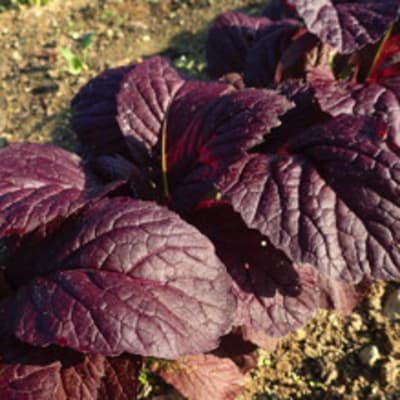
Brassica juncea (20 days baby; 45 days mature) Open pollinated. A favorite for cutting at the purple baby stage. Vibrant maroon slightly toothed leaves on lime-green stems. Good for salads or braising.
read more
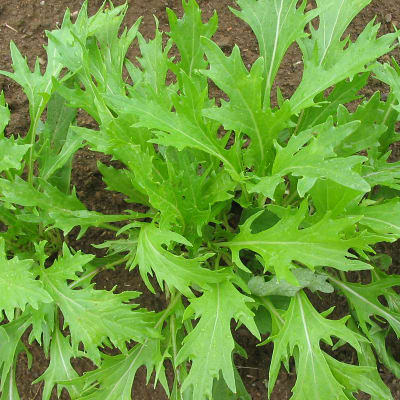
Brassica juncea (20 days baby, 40 days mature) Open pollinated. Light golden-green leaves are curled and lacy, adds lift to salad mixes. Mustardy zing. Resists bolting in heat.
read more
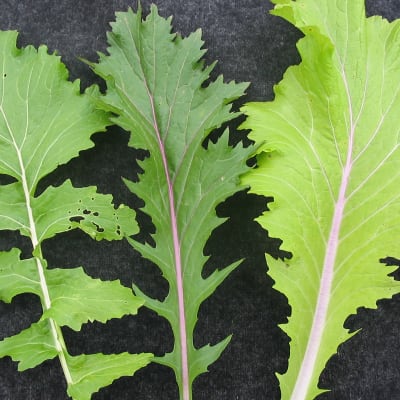
Brassica rapa (japonica group) (40 days) Open pollinated. Japanese heirloom. Deeply cut fringed leaves on slender white stalks. For microgreens, cut-and-come-again, succession plantings and baby leaf production.
read more
Centaurea cyanus (90 days) Open pollinated. Annual. Ruffled dark maroon flowers, sometimes called Black Gem Bachelor’s Button. 3' tall. Hard to find.
read more
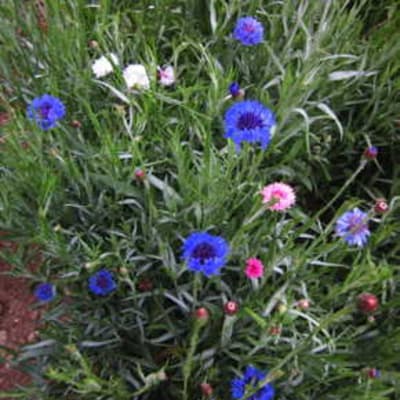
Centaurea cyanus (60 days) Open pollinated. Early frilly 2" periwinkle-blue blooms on semi-dwarf 2' plants. A popular favorite with a long bloom period.
read more
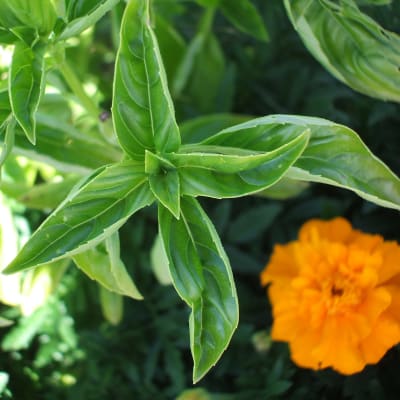
Ocimum basilicum (70 days) Open pollinated. The choice of many connoisseurs for making pesto. Leaves are slightly smaller and finer than Sweet Basil with more aroma and potency.
read more
Ocimum basilicum (70 days) Open pollinated. The choice of many connoisseurs for making pesto. Leaves are slightly smaller and finer than Sweet Basil with more aroma and potency.
read more
Ocimum basilicum (70 days) Open pollinated. The heaviest-yielding variety, recommended for drying, all-around great eating, and large-scale pesto production.
read more
Ocimum basilicum (70 days) Open pollinated. The heaviest-yielding variety, recommended for drying, all-around great eating, and large-scale pesto production.
read more
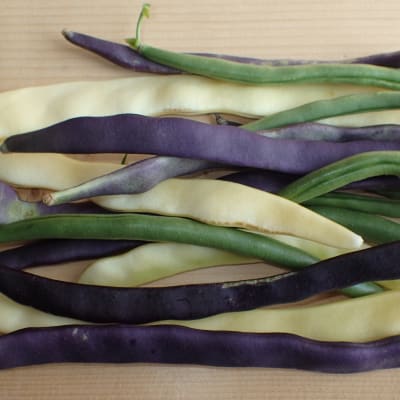
Phaseolus vulgaris (60-72 days) Open pollinated. We combine green, yellow, purple and striped varieties of staggered maturity into one packet. Varieties, our choice, will vary from year to year according to availability.
read more
Phaseolus vulgaris (90 days) Open pollinated. Produces 4-5 beautiful black-and-white beans per pod, with a texture similar to Yellow Eye. Doubles in size when cooked.
read more
Vigna unguiculata (65 days shell, 90 days dry) Open pollinated. Cowpeas for the North! Small white bean matures quickly. Easy-to-pick yellow pods. Beautiful yellow flowers on bushy semi-erect plants.
read more
Phaseolus vulgaris (60 days shell, 85 days dry) Open pollinated. Similar in shape, color and taste to baby limas, except much easier to grow in our climate and sweeter with a buttery texture. Excellent both as a shell and a dry bean.
read more