Lactuca sativa (49 days) Open pollinated. Standard red leaf lettuce. Attractive 10-16" heads with purplish red-splashed leaves. Lightly crunchy with melting texture. Withstands some heat.
read more
Lactuca sativa (49 days) Open pollinated. Unique Butterhead/Romaine combination with ruffled savoyed leaves dappled red and green. Very crisp and buttery.
read more
Fragaria × ananassa Medium-to-long conic high-yielding firm productive reliable everbearing strawberry with bright red color and excellent flavor. Z3.
read more
Agricultural Sulfur. Use to make soil pH more acidic. Often helpful for both lowbush and highbush blueberries, and for potatoes. Lowering the pH of gravel paths will help control weed growth.
read more
Malus spp. This is a twig for grafting. Winter. One of the most famous of all 19th c. apples. Large, beautiful, red striped and blushed. Dry white flesh for eating, cooking and cider. Good keeper. Z4.
read more
Malus spp. Winter. Famous heirloom apple. Very large, juicy, tender. Makes a great single-variety pie! All-purpose. Good keeper. Scab-resistant. Z4.
read more
Brassica rapa (45 days) Open pollinated. Tall frilly medium-hot serrated green leaves with purple veins and shading, with nice variation among plants.
read more
Symphyotrichum novae-angliae 4-6' tall. North American native. Blooms range from blue-purple to lavender-pink with yellow eyes. Attractive to pollinators. Z3.
read more
Ocimum basilicum (55 days) Open pollinated. Bright, lemony and fragrant. Upright, mounded plants doesn’t get leggy. Delightful in salads, teas, desserts, marinades, lemonade and more.
read more
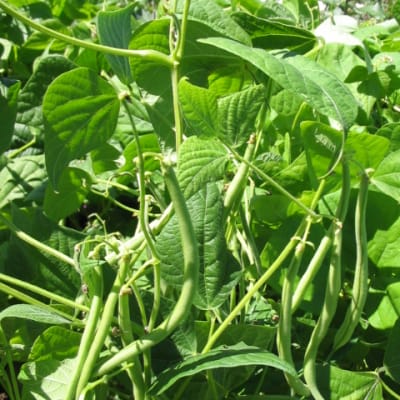
Phaseolus vulgaris (61 days) Open pollinated. Dark green straight 6-8" filet pods with excellent flavor. Heavy producer. Speckled brown seed.
read more
Phaseolus vulgaris (89 days) Open pollinated. Large white kidney bean with red-brown soldier-like figures on the eye. Popular New England bean.
read more
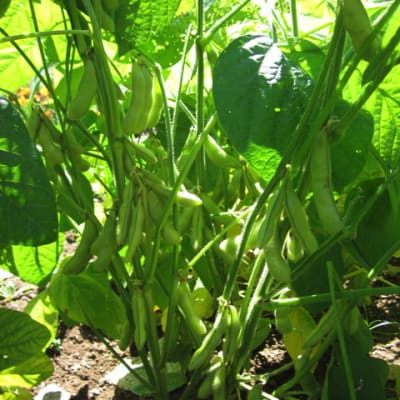
Glycine max (83 days) Open pollinated. Large beans with exceptional soybean flavor when eaten fresh. 2' compact plants are great for small gardens.
read more
Glycine max (91 days) Open pollinated. Vigorous thigh-high vines make early concentrated sets of light green pods, averaging two beans per pod.
read more
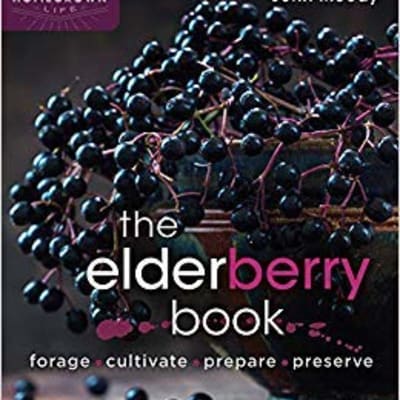
Highlights reasons to plant an elderberry bush and how to do it successfully. He walks us through a history of the plant, its cultivation and propagation, and its many uses in food, tools and toys.
read more
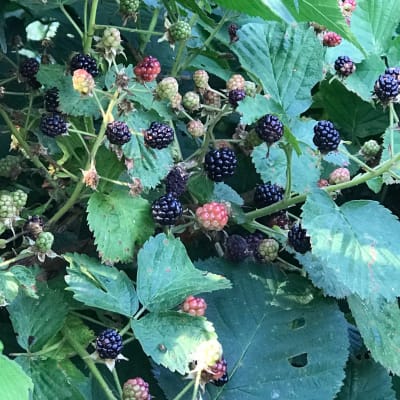
Rubus spp. Early-midsummer. The first ever thornless black raspberry available to home gardeners! Deep black large berries are moderately firm and tightly clustered. Vigorous upright canes. Z5.
read more
Rubus spp. Midsummer. Moderately large and quite juicy fruit with true blackberry taste. Highly productive. Has survived Maine winters for over a century! Z3/4.
read more
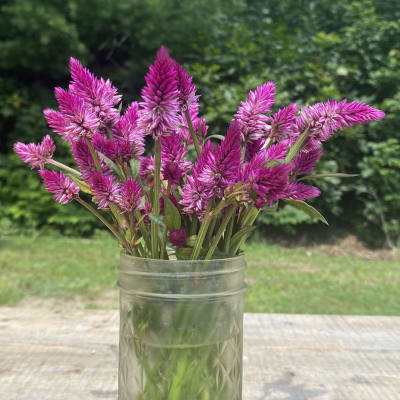
Celosia argentea var. spicata (75 days) Open pollinated. Upright 20-26" tall multi-branched wheat-type celosia produces showy spikes, light pink at the base turning to a deep rose-magenta at the tip. Green foliage starts at ground level.
read more
Abies balsamea 45-75'. Native conifers with fragrant boughs used for wreaths. The best Christmas tree! Semi-shade tolerant. Good hedge tree. Z3.
read more
Triticum aestivum Winter annual grain. Makes tender pastries, quick breads and pancakes. Also good for brewing wheat beers, or as a livestock feed.
read more
Vitis spp. Mid. Clusters of medium-sized dark grapes with a heavy blue bloom. Our most popular seeded grape. Excellent for fresh eating, jelly and juice. Z3.
read more
Vitis spp. Early-Mid. High-quality white wine grape imparts pineapple and grapefruit flavors with very floral characteristics. Also great for fresh eating. Z3/4.
read more
Vitis spp. Mid-Late. Small-medium dark grapes in small to medium-sized clusters. The best variety this side of the Atlantic for a Pinot Noir-style red wine. Z3.
read more
Vitis spp. Very Early. Large seedless blue berries good for fresh eating, juice or raisins. Resists cracking and performs well in hot wet summers. Very vigorous. Z5.
read more
Cichorium intybus (80 days) Open pollinated. Italian heirloom grown for its fused stems which form a swollen bulb. Sweet stalks eaten in salad or cooked.
read more
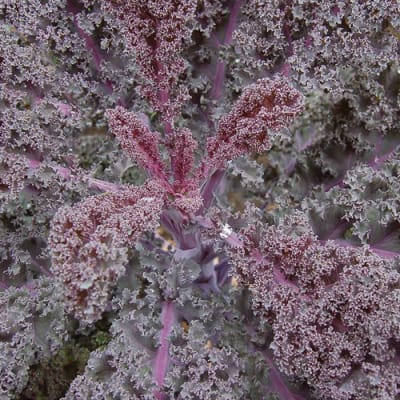
Brassica oleracea (acephala group) (30 days baby, 55 days mature) Open pollinated. Frilly purple leaves suitable for baby leaf or bunching. Similar to Redbor leaf shape and color.
read more