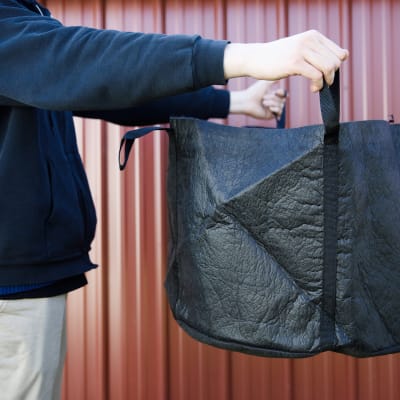
These 45-gallon plain round non-woven fabric pots provide great airflow and drainage for all your giant plants. Fantastic for indoor growing, and can also be used outdoors.
read more
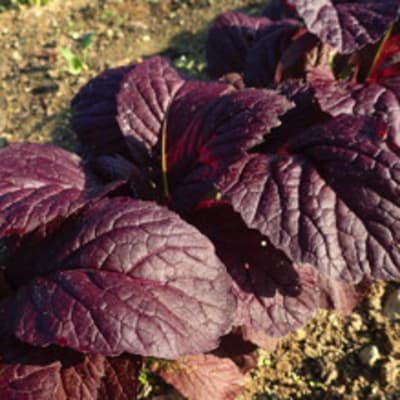
Brassica rapa (45 days) Open pollinated. Slow-growing 8-10" deep purple rounded leaves stand beautifully, and are mild and delectable all the way through the season.
read more
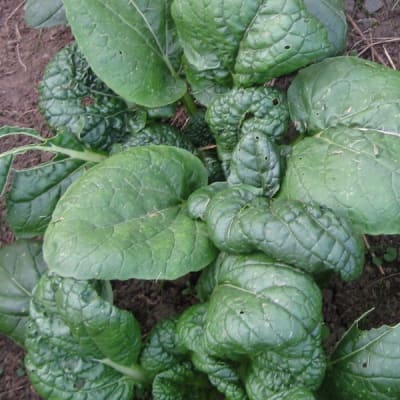
Brassica rapa (narinosa group) (45 days) Open pollinated. Spoon-shaped dark green leaves in compact rosettes. Very hardy. Cut-and-come-again.
read more
Brassica rapa (narinosa group) (45 days) Open pollinated. Spoon-shaped dark green leaves in compact rosettes. Very hardy. Cut-and-come-again.
read more
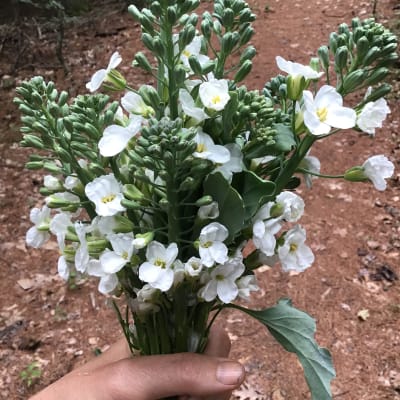
Brassica oleracea (45-60 days) F-1 hybrid. Also called Chinese Broccoli. Grown for succulent stems, leaves and florets. Uses and flavor similar to broccoli. Tolerant to heat and cold.
read more
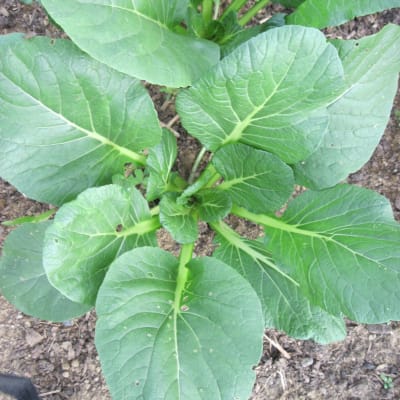
Brassica rapa (narinosa group) (21 days baby, 45 days mature) F-1 hybrid. Mild deep green tender leaves used raw or cooked. Good season extender. Excellent tolerance to heat, cold. Cut-and-come-again.
read more
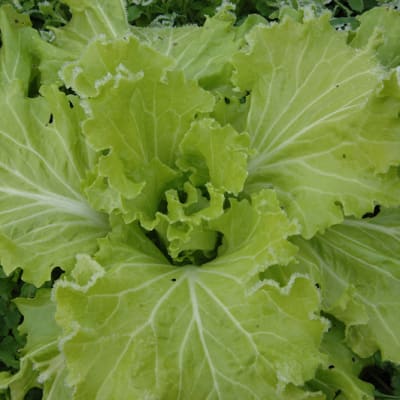
Brassica rapa (chinensis group) (20 days baby, 45 days full size) Open pollinated. Lettucy pale green ruffled leaves. Mild, sweet. Will re-grow after cuttings. Cold hardy.
read more
Brassica juncea (20 days baby; 45 days mature) Open pollinated. A favorite for cutting at the purple baby stage. Vibrant maroon slightly toothed leaves on lime-green stems. Good for salads or braising.
read more
Brassica juncea (45 days) Open pollinated. Best-adapted mustard for northern climates. Hot mustardy flavor. Will come back when cut. Slow to bolt. Can be overwintered.
read more
Brassica rapa (45 days) Open pollinated. Tall frilly medium-hot serrated green leaves with purple veins and shading, with nice variation among plants.
read more
Brassica oleracea (alboglabra group) (45 days) Open pollinated. Dark green large tender leaves with just the right kind of mustardy bite. Prolific yields can be harvested at full size or as baby greens.
read more
Brassica rapa (45 days full size; 21 baby) Open pollinated. Grows in rosettes like tatsoi, but bigger, more upright with leaves less shiny and more puckered. Harvest young for salad greens or mature for braising.
read more
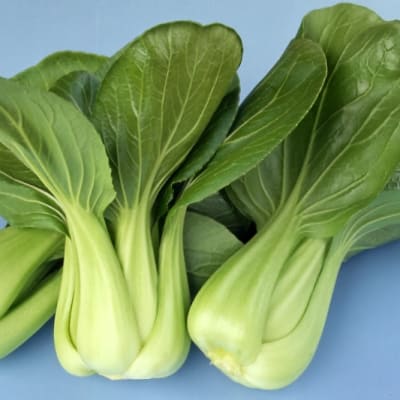
Brassica rapa (chinensis group) (45 days) F-1 hybrid. Baby pac choi with green stems, likes cool temperatures but resists bolting. Vase-shaped 11" plants have broad green petioles.
read more
Pisum sativum var. arvense Annual legume. Also called Forage Peas. Great as weed-smothering workhorse soil builder, or a tasty and highly digestible forage. Likes cool moist conditions. Will grow in most soil types.
read more
Valerianella locusta (45 days) Open pollinated. Very cold-hardy small-seeded small-leaved strain of this winter staple salad green. Can be overwintered.
read more
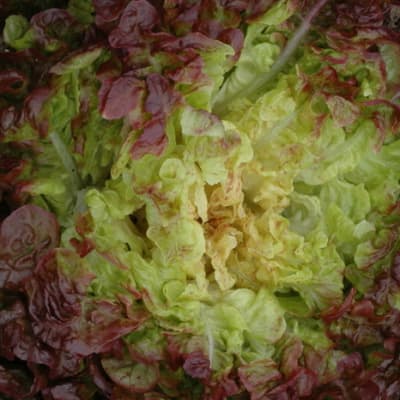
Lactuca sativa (45 days) Open pollinated. Frilly looseleaf lettuce with deeply cut pointed leaves. A standard component of salad mixes. Recommended for overwintering and cool weather.
read more
Spinacia oleracea (45 days) Open pollinated. Recommended for late fall, winter greenhouse, or overwintering under mulch. Large semi-savoyed medium-green spinach selected for cold hardiness.
read more
Spinacia oleracea (25-30 days to baby leaf, 45 days mature) F-1 hybrid. Tender smooth leaves perfect for the baby cut. Mature, large leaves still have mild sweet flavor. Bolt tolerant, disease resistant.
read more
Spinacia oleracea (25 days to baby leaf, 45 days to mature) F-1 hybrid. Well suited for early spring and fall plantings. Reasonable early summer tolerance, with slow steady growth that results in a stunning high-quality winter crop.
read more
If you are a fan of the Eyewitness educational books from the ’90s, this one is for you. Covers 45 insect and spider species, with photos of every life stage! Includes an easy comparison guide.
read more
Abies balsamea 45-75'. Native conifers with fragrant boughs used for wreaths. The best Christmas tree! Semi-shade tolerant. Good hedge tree. Z3.
read more
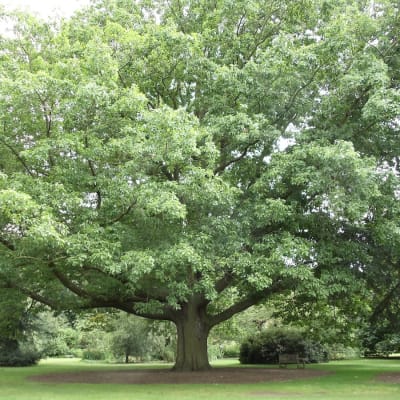
Quercus rubra 60-75' x 45'. The most common oak in northern New England. Magnificent open rounded crown. Fast growing. Tolerant of different conditions. Z4.
read more
Rubia tinctorum Open pollinated. Ancient and excellent source of red dye. Harvest roots after three years and grind to yield a wash- and light-fast red dye par excellence. 4' plants.
read more
A liquid combination of yeasts, actinomycetes, and bacteria. Promotes plant health and growth, and improves nutrient absorption and soil fertility. Our cannabis-growing friends can't do without it.
read more
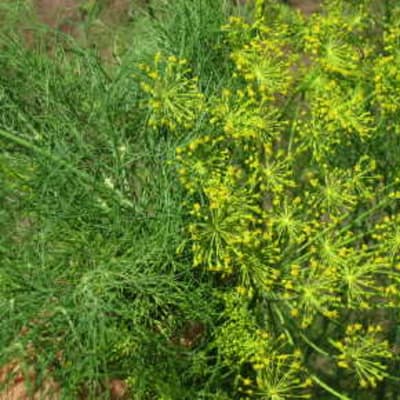
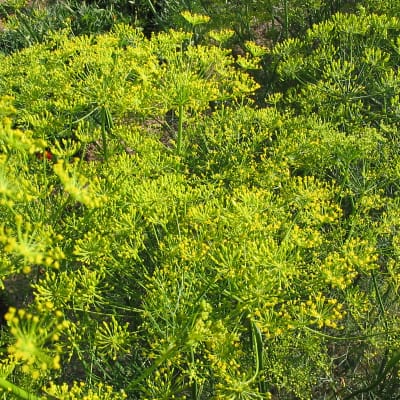
Anethum graveolens (55 days) Open pollinated. Bouquet is usually grown for dill weed production because its leaves are sweeter and more refined than those of Mammoth.
read more
Anethum graveolens (55 days) Open pollinated. Bouquet is usually grown for dill weed production because its leaves are sweeter and more refined than those of Mammoth.
read more
Anethum graveolens Open pollinated. Variety generally grown for its seeds. Can also be used as dill weed, but the foliage is slightly darker, coarser and stronger-tasting than that of Bouquet.
read more
Hablitzia tamnoides (45 days) Open pollinated. Perennial spinach-like green. Hardy vine from the Caucasus grows 6-9' long for 2-3 months beginning very early spring. Heart-shaped attractive leaves.
read more
Brassica oleracea (acephala group) (65 days) F-1 hybrid. Crinkly and very curly, of the Dutch borecole type. Upright uniform productive plants hold well in the field in all weather conditions and continue to grow.
read more
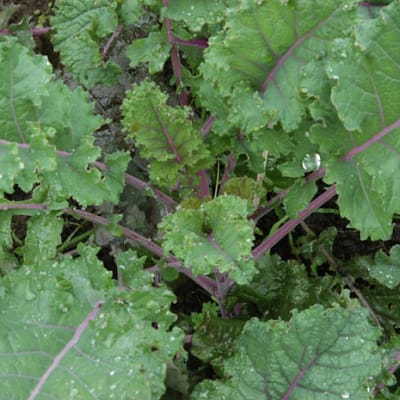
Brassica oleracea (acephala group) (61 days) Open pollinated. Lacinato crossed with Redbor. Curly edges, red veins, purple or blue-green leaves, diverse shapes and colors. Productive and cold-hardy.
read more
Brassica oleracea (acephala group) (60 days) F-1 hybrid. Tall plants with ruffled red leaves; color intensifies in cool weather. Very cold hardy ornamental edible.
read more
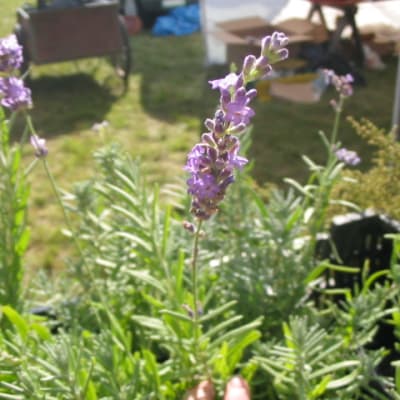
Lavandula angustifolia Open pollinated. Also known as English Lavender. Not a named variety; perhaps a less-refined habit than Vincenza Blue.
read more