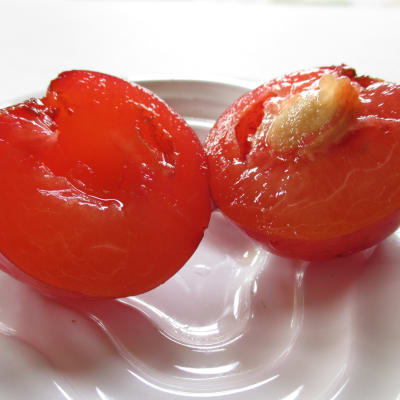
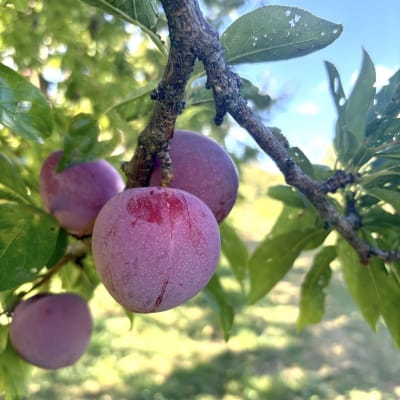
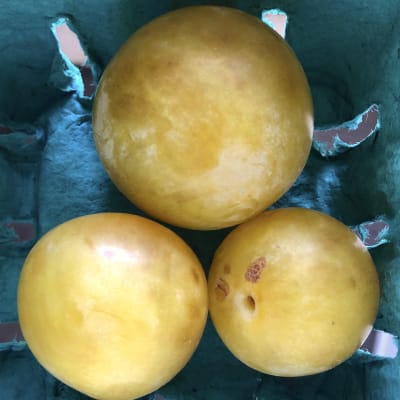
Prunus domestica Late summer. Often considered the sweetest European plum. Use fresh, dried, frozen, canned and in preserves. Abundant annual crops. Z3.
read more
Prunus spp. Midsummer. Delicious medium-sized fruit with soft sweet pinkish flesh. Glossy ornamental red foliage all summer long. May be self-pollinating. Z4.
read more
Prunus spp. Late summer. Roundish tender thin-skinned yellow plum sometimes blushed with a little pink. Tender yellow juicy flesh. Freestone. Z3/4.
read more
Prunus spp. This is a twig for grafting. Late summer. Roundish tender thin-skinned yellow plum sometimes blushed with a little pink. Tender yellow juicy flesh. Freestone. Z3/4.
read more
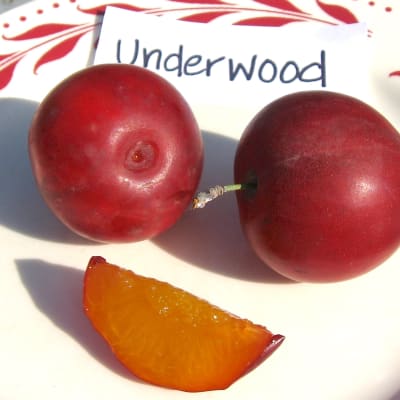
Prunus spp. Midsummer. Medium-to-large 2" dull red fruit. Firm sweet juicy golden-yellow semi-freestone flesh, very good for eating and cooking. Z3.
read more
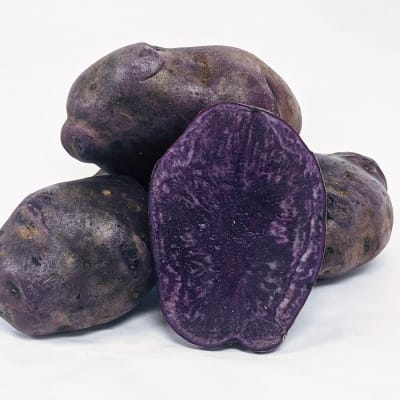
Solanum tuberosum Mid-season, blue skin, blue flesh. Maintains its color after boiling, roasting or frying. This spud is packed with anthocyanins, powerful antioxidants that can lower risks of heart and neurological diseases.
read more
Solanum tuberosum Mid to late season, purple skin, purple flesh. Dig them as sweet little fingerlings early or hold out for larger potatoes later in the season. Distinctively earthy flavor and pleasantly waxy texture.
read more
Solanum tuberosum Mid to late season, purple skin, purple flesh. Dig them as sweet little fingerlings early or hold out for larger potatoes later in the season. Distinctively earthy flavor and pleasantly waxy texture.
read more
Solanum tuberosum Mid-season, red skin, white flesh. Excellent dormancy retention in winter storage. Order your extra crates now to accommodate staggering yields to come!
read more
Solanum tuberosum Mid-season, red skin, white flesh. Super-sweet moist flesh. Excellent dormancy retention in winter storage. Order your extra crates now to accommodate staggering yields to come!
read more
Solanum tuberosum Late season, buff skin, white flesh. Released in 1932 by the USDA and Maine, it is the standard to which all storage potatoes are compared. Very well suited to a Maine growing season.
read more
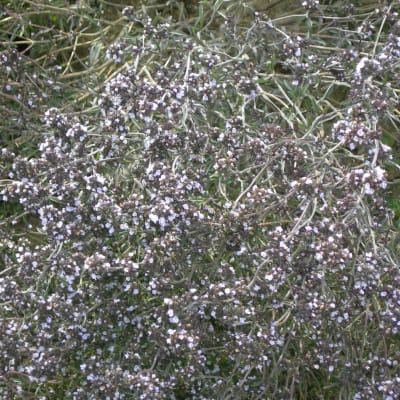
Satureja hortensis (70 days) Open pollinated. Annual grows to 1½' with narrow dark green leaves and lavender flowers. Cut often during growing season, before blossoms appear.
read more
Catalpa speciosa 40-60'. Dense foliage of heart-shaped leaves provides excellent shade. Incredibly fragrant jasmine-scented white blossoms. Grows rapidly. Attracts pollinators. Native to central U.S. Z4.
read more
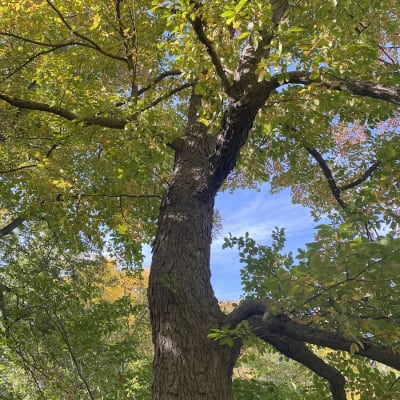
Nyssa sylvatica 40-85' x 20-30'. Medium-sized deciduous tree produces fruits that feed migrating birds. Vibrant fall colors. Can live up to 650 years! Z4.
read more
Helianthus annuus (90-100 days) Open pollinated. Rare indigenous heirloom used as a natural dye source for coloring baskets purplish charcoal. Also edible. 8' stalks.
read more
Ipomoea batatas Golden skin, orange flesh. (100-110 days) A rare bush variety, good for smaller spaces like raised beds and containers. Firm flesh holds up to roasting and frying. Lovely foliage. Stores well.
read more
Verbena stricta 12-48" tall. North American native. Attractive to pollinators, most notably the Buckeye butterfly. Birds will devour the seeds! Blooms June through August. Z3.
read more
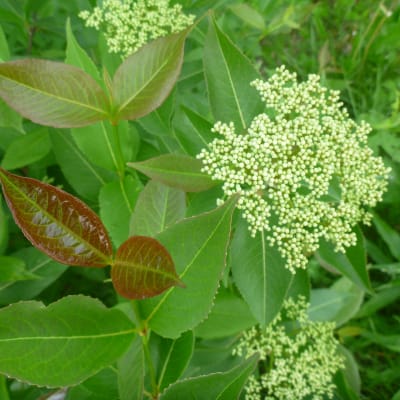
Viburnum cassinoides 5-6' × same. Dense suckering native shrub. White flowers from spring to early summer. Edible black fruit. Plant more than one for fruit. Z3.
read more
Zinnia haageana Open pollinated. Small Mexican-style haageana zinnias in a mix of pink, orange, carmine and burgundy-red blooms tipped yellow to carmine.
read more