Malus spp. This is a twig for grafting. Fall-winter. Medium-sized juicy tender crisp lively lively dessert apple. Exceptionally delicious. Blooms early midseason. Z4.
read more
Malus spp. This is a twig for grafting. Summer. One of the best-flavored early apples for northern growers. Crisp, tender, juicy subacid. Glossy red round fruit. Z3.
read more
Malus spp. Fall. Very sweet with low acidity. Creamy yellow aromatic flesh suitable for fresh eating or cooking. Presses into a sweet juice. Z4.
read more
Malus spp. Fall. Medium-sized apple. Sweet, nutty and spicy flavors. Fine-textured crisp flesh. Keeps till midwinter. Some resistance to scab. Z3.
read more
Malus spp. This is a twig for grafting. Fall. Medium-sized apple. Sweet, nutty and spicy flavors. Fine-textured crisp flesh. Keeps till midwinter. Some resistance to scab. Z3.
read more
Malus spp. Summer. Size and shape of an egg. Crisp, crunchy with spicy sweet flavor. Exceptional fresh-eating! Precocious, annually productive. Z2/3.
read more
Malus spp. This is a twig for grafting. Summer. Size and shape of an egg. Crisp, crunchy with spicy sweet flavor. Exceptional fresh-eating. Precocious, annually productive. Z2/3.
read more
Malus spp. Fall. Small and flavorful! Crisp, juicy, tart, tangy, spicy. Good in hard cider. Keeps till January. Precocious and productive. Z4.
read more
Malus spp. This is a twig for grafting. Fall. Small but flavorful. Crisp, juicy, tart, tangy, spicy. Good in hard cider. Keeps until January. Bears young, heavily, annually. Z4.
read more
Malus spp. This is a twig for grafting. Summer. Nice balance of tart and sweet. Crisp and juicy fresh-eating; fine cooking. Disease-resistant; scab immune. Z4.
read more
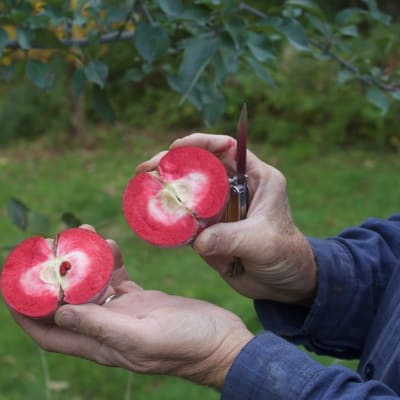
Malus spp. This is a twig for grafting. Summer. Medium-sized fruit with almost solid beet red flesh: a real eye popper! Very good and extremely tart. Good addition to cider and sauce. Z3.
read more
Malus spp. Late summer. Medium-sized, highly-flavored fruit. Good balance of acid/sweet. Crisp and juicy fresh-eating. Stores up to seven weeks. Z3.
read more
Malus spp. Fall. Bittersharp cider apple. Dark red crabapples look like enlarged cranberries. Mostly tart and slightly sweet with a bitter finish. Z4.
read more
Malus spp. Fall. High-quality bittersweet variety recommended for blending with other fall varieties. Soft astringent tannins. Narrow upright tree form. Becoming popular commercially in New England. Z4.
read more
Malus spp. Fall. Bittersharp cider apple. Among the best red-fleshed cultivars. Prized for its size, vigor, disease resistance and deep red juice. Z4.
read more
Malus spp. Fall. Bittersharp cider apple. Small astringent very juicy fruit. The most bitter apple you’ll ever taste. Not for eating fresh! Z4.
read more
Malus spp. This is a twig for grafting. Fall. Small astringent very juicy fruit. Bittersharp cider apple. The most bitter apple you’ll ever taste. Not for eating fresh. Z4.
read more
Malus spp. Ornamental flowering crabapple with beautiful rose-like blossoms and bitter green fruit. Very high in tannin. Great for cidermakers! Blooms late. Z4.
read more
Malus spp. This is a twig for grafting. 25x30'. Classic culinary crab. Apricot-pink buds, large fragrant pure white single flowers. Beautiful fruit makes flavorful ruby-red jelly. Z2.
read more
Prunus armeniaca Mid-late summer. Multipurpose sweet freestone variety is good for fresh eating, canning and drying. Most cold hardy of the Harrow series. Z4.
read more
Prunus armeniaca Summer. Small roundish yellow-orange apricot with a red blush. Smooth juicy freestone flesh with a mild sweet flavor. Extremely hardy. Z3.
read more
Brassica juncea (45 days) Open pollinated. Best-adapted mustard for northern climates. Hot mustardy flavor. Will come back when cut. Slow to bolt. Can be overwintered.
read more
Asparagus officinalis Heirloom. Large early green stalks tolerate heat well and demonstrate good resistance to rust. Early, vigorous, uniform. Planted in American gardens for more than a century. Z3/4.
read more
Centaurea cyanus (90 days) Open pollinated. Annual. Ruffled dark maroon flowers, sometimes called Black Gem Bachelor’s Button. 3' tall. Hard to find.
read more
Centaurea cyanus (60 days) Open pollinated. Early frilly 2" periwinkle-blue blooms on semi-dwarf 2' plants. A popular favorite with a long bloom period.
read more
Ocimum basilicum (60 days) Open pollinated. Purple stems and flowers of standard Thai, but displayed upon a strong bushy umbrella form with wide and beautifully ample flowers.
read more
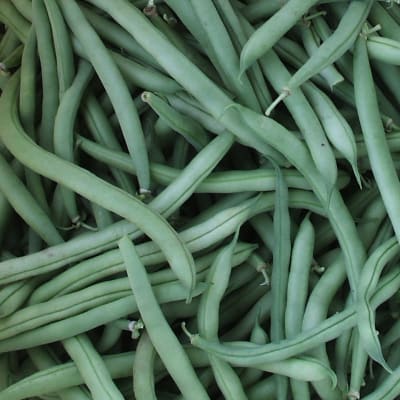
Phaseolus vulgaris (57 days) Open pollinated. 6" creamy yellow pods mottled with purple tiger stripes. Seeds are purplish brown with blue stripes.
read more
Phaseolus vulgaris (57 days) Open pollinated. 6" pods. Long a standard for flavor. Not heat tolerant, but excellent for fall crops. White seed.
read more
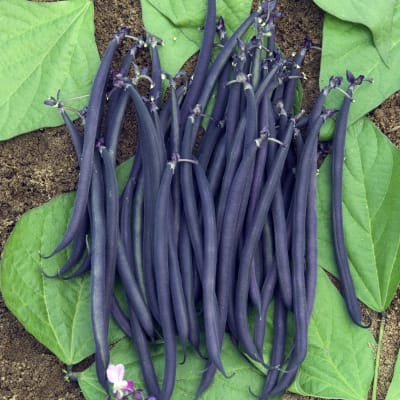
Phaseolus vulgaris (50 days) Open pollinated. Concentrated sets of 5-5.5" pods. High yields even in adverse conditions. A popular favorite. Purple seed.
read more
Phaseolus vulgaris (50 days) Open pollinated. Concentrated sets of 5-5.5" pods. High yields even in adverse conditions. A popular favorite. Purple seed.
read more
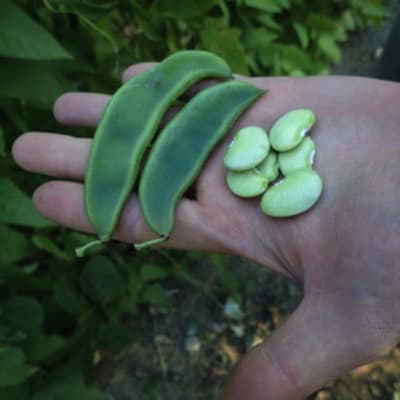
Phaseolus lunatus (103 days) Open pollinated. 18" tall. 3 tender beans per pod, grey in the shell stage and drying to buff with purple and black mottling. White flowers.
read more
Phaseolus lunatus (106 days) Open pollinated. 8" pods, dependably produces at least four large creamy white seeds per pod. Vines can grow 10'.
read more
Phaseolus lunatus (95 days) Open pollinated. A pole lima that will actually ripen in the Northeast! Vigorous vines produce large pods of tender, sweet and delightfully beany limas.
read more