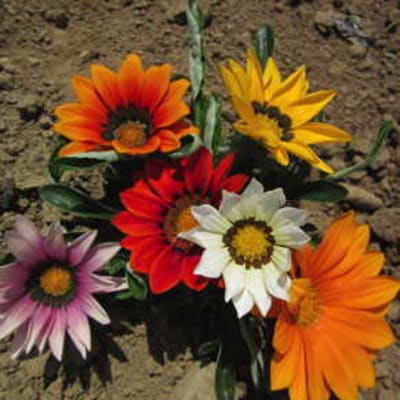
Tagetes patula (60 days) Open pollinated. Anemone-flowered dwarf. Bicolored double blooms are deep rusty orange, petals edged with gold. 10-12" tall.
read more
Cucumis melo (90 days) Open pollinated. Orange-fleshed heirloom from Colorado. Slightly oval 5x6" fruits average 5 lbs and keep up to 3 weeks in cool storage
read more
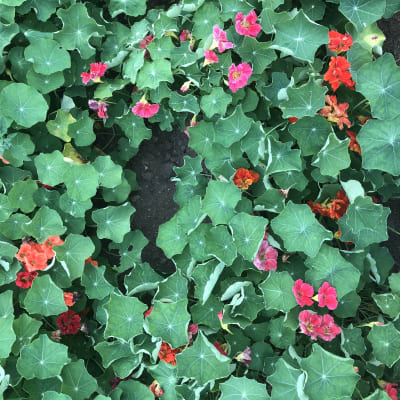
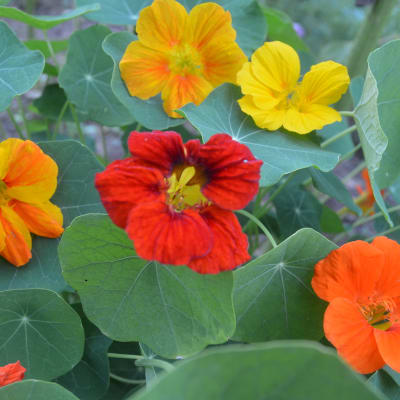
Tropaeolum majus (60 days) Open pollinated. Striking variegated green and white foliage and tangy yellow and orange blossoms. Great plant for hanging baskets. 16" plants.
read more
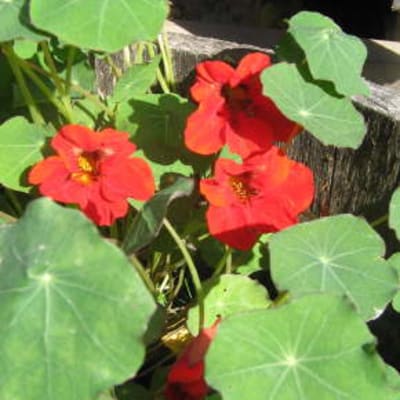
Tropaeolum majus (60 days) Open pollinated. Dark purplish-green leaves with brilliant crimson-scarlet flowers contrast well with other varieties. 16" plants.
read more
Tropaeolum majus (42 days) Open pollinated. Bushy variety holds its blooms above the foliage. Early free-flowering blend of orange, yellow, red and gold. 16".
read more
Tropaeolum majus (42 days) Open pollinated. Bushy variety holds its blooms above the foliage. Early free-flowering blend of orange, yellow, red and gold. 16".
read more
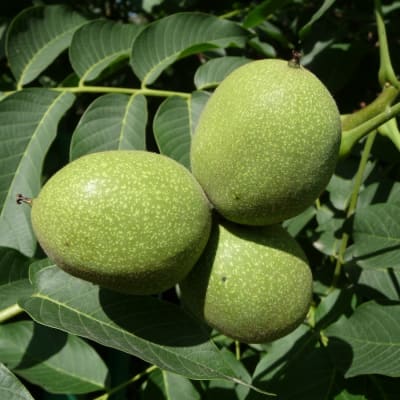
Juglans cinerea 40-60' x same. Very large impressive shade tree with broad open crown. Produces oblong edible nuts. Nice cabinet wood. Native. Z3.
read more
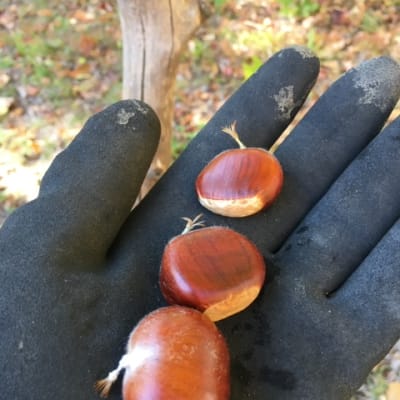
Castanea mollissima 40-60' x same. Genetically unique seedlings usually produce good-to-excellent nuts in 5-7 years. Resistant to chestnut blight. Z4.
read more
Castanea 40-60' x 30-40'. Hybrid crosses of mixed parentage. Parent trees show excellent blight resistance. Begins flowering at 3-5 years. Great flavor, high annual nut production. Z4.
read more
Juglans nigra 70-90'. Spectacular shade tree with open rounded crown. Nuts have sweet earthy rich flavor. May begin to bear in 5-10 years. Z4.
read more
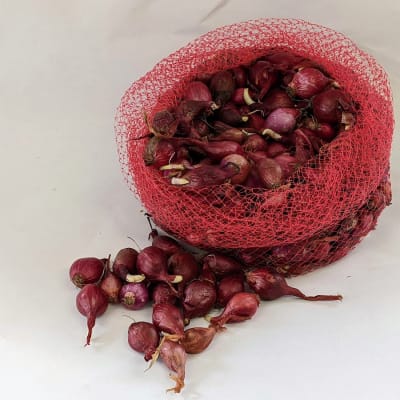
Allium cepa Open pollinated. Long day. Red Baron yields bulbs in the 3" range that store decently and show off a stunning maroon skin. Our best fresh-eating onion for sandwiches and salads.
read more
Very stretchy 1" tape holds graft union firmly together. Unlike PVC, Parafilm, a low-molecular-weight polyethylene product, is relatively benign in the environment.
read more
24" high spiral plastic guards protect tree trunks from mice and voles in the winter. Can be cut with scissors to customize height on very small trees, or use more than one to wrap wider trees.
read more
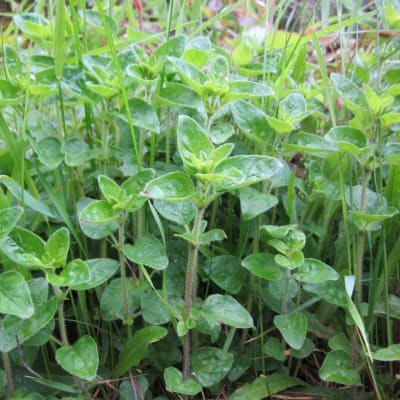
Origanum vulgare 18-20" tall. Fragrant green and purple leaves used for culinary purposes. Given plenty space in full sun, it sprawls and is attractive to pollinators. Z4.
read more
Amsonia tabernaemontana var. salicifolia 24–36" tall. Fine grassy willow-like foliage. Clusters of powder-blue florets in early summer. Best planted en masse. Z3.
read more
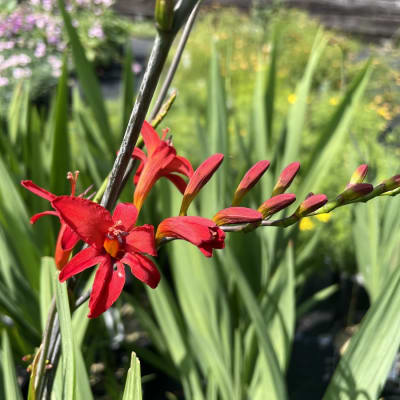
Crocosmia × crocosmiiflora 24-36" tall. Midsummer sprays of bright red flowers open from bottom to top on long arching bronze stems. Grows well in pots. Makes a long-lasting cutflower.
read more
Eucalyptus cinerea Open pollinated. Perennial to Zone 8. Charming silvery blue-green 2" leaves make a fabulous bouquet filler that dries nicely and freshens the room with fragrant oils. 2–3' tall.
read more
Clarkia amoena (90 days) Open pollinated. 3" “satin flowers” blooms in red, pink, salmon, lavender and white, and with a bright red patch in the heart of the four petals. Best for cutting.
read more
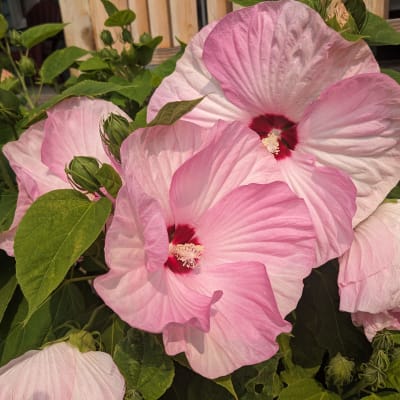
Hibiscus moscheutos Open pollinated. Perennial, Zones 5-9. 6-8" saucer-shaped flowers in a mix of pinks, red and white, with contrasting red eyes where a contrast is to be had.
read more
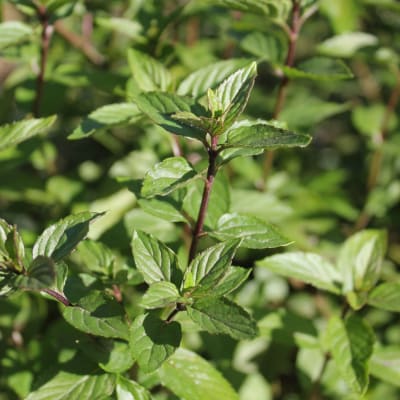
Mentha piperita 18-24" tall. Our favorite mint! Bright refreshing peppermint-patty flavor. Freshen your breath, settle your stomach and scent soaps and salves. Z4.
read more
Pycnanthemum virginianum 24-36" tall. Makes a tasty minty tea traditionally used to settle indigestion. Spreads readily. Densely flowered, attractive to pollinators. Native. Z4.
read more
Acorus americanus 24-36" tall. Water-loving bog plant with broad sword-like foliage that smells sweetly of citrus and vanilla when crushed. Roots traditionally used as an aromatic bitter for digestive upsets. Z3.
read more
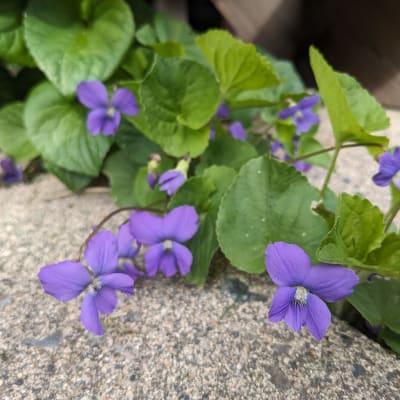
Viola sororia 6-10" tall. North American native with cheery blue-purple flowers and attractive heart-shaped leaves, all edible. Larval host plant for multiple species of butterflies. Z3.
read more
Cornus mas 20-25' x 15-20'. Bright red pear-shaped edible fruit. Each seedling will be unique. Will pollinate each other and any named cornelian cherry cultivar. Z4/5.
read more
Calycanthus floridus 6-10' x 6-12'. Beautiful native shrub with dark burgundy-maroon flowers and shiny leaves. Blooms early, flowers through summer. Highly fragrant. Z4/5.
read more
Rubus odoratus 3-6' x 6-12' Relative of the cultivated raspberry, with fragrant flowers and nutritious fruit. Thornless, long-blooming, attractive to pollinators. Excellent addition to wildlife hedges. Z4.
read more
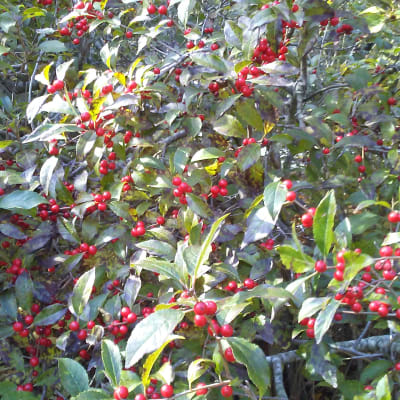
Ilex verticillata Bright-red berries stand out through the winter, providing late-spring forage for birds. A staple of the Maine landscape. Unsexed seedlings, plant several for berries. Z4.
read more
Gaultheria procumbens 6-10". Aromatic evergreen native groundcover. Glossy dark green leaves. Bell-shaped white flowers in June. Vivid red berries. Self-pollinating. Z3.
read more
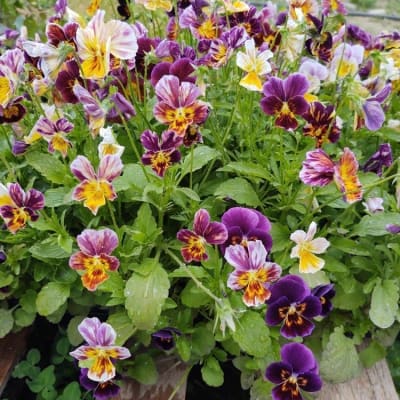
Viola cornuta Open pollinated. Large fragrant flowers in purple, pink, yellow and light blue striped with white and yellow strokes. Dwarf 6" plants.
read more
Pastinaca sativa (120 days) Open pollinated. Outstanding variety. Those with good tilth can get refined tapered cylindrical roots 12-14" long.
read more
Prunus persica Late. White flesh is firm, melting and juicy. All-purpose and freestone. Large vigorous productive tree. Resistant to bacterial spot. Z4/5.
read more