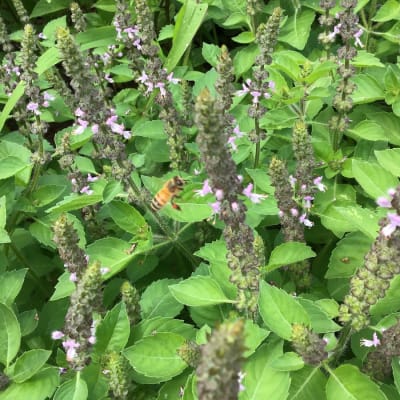
Ocimum basilicum Open pollinated. Vigorous mulberry-tinted basil with anise fragrance makes a highly decorative tall bushy plant. Slow to bolt.
read more
Ocimum basilicum (60 days) Open pollinated. Purple stems and flowers of standard Thai, but displayed upon a strong bushy umbrella form with wide and beautifully ample flowers.
read more
Ocimum tenuiflorum (100 days) Open pollinated. A superior strain of Tulsi or Sacred basil, with a more compact growth habit and more pungent sweet flavor.
read more
Ocimum basilicum Open pollinated. Lettuce-leaf type has very large ruffled leaves suitable for rolling or stuffing. Flavor similar to sweet basil.
read more
Ocimum basilicum (70 days) Open pollinated. The heaviest-yielding variety, recommended for drying, all-around great eating, and large-scale pesto production.
read more
Ocimum basilicum (70 days) Open pollinated. The heaviest-yielding variety, recommended for drying, all-around great eating, and large-scale pesto production.
read more
Ocimum basilicum (55 days) Open pollinated. Bright, lemony and fragrant. Upright, mounded plants doesn’t get leggy. Delightful in salads, teas, desserts, marinades, lemonade and more.
read more
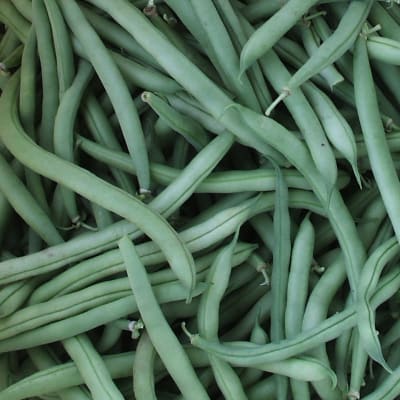
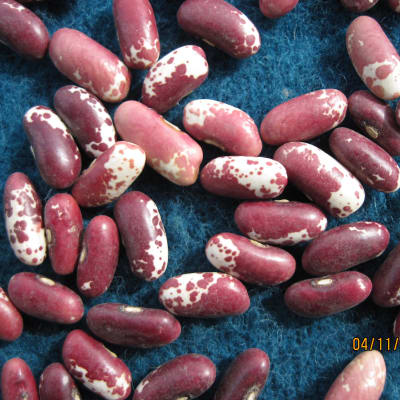
Phaseolus vulgaris (50 days) Open pollinated. Concentrated sets of 5-5.5" pods. High yields even in adverse conditions. A popular favorite. Purple seed.
read more
Phaseolus vulgaris (60 days shell, 85 days dry) Open pollinated. Plump shiny black beans! Can be harvested as a shell or dry bean. Dry pods resist shattering, yet are easy to shell.
read more
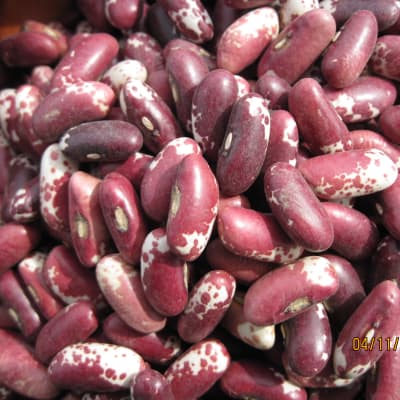
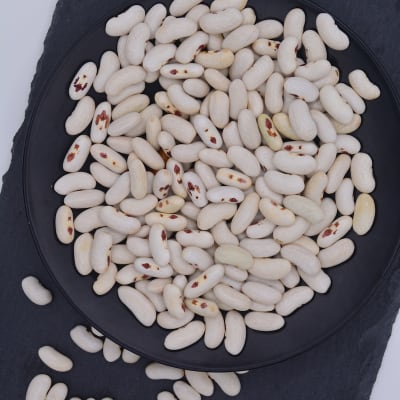
Phaseolus vulgaris (89 days) Open pollinated. Large white kidney bean with red-brown soldier-like figures on the eye. Popular New England bean.
read more
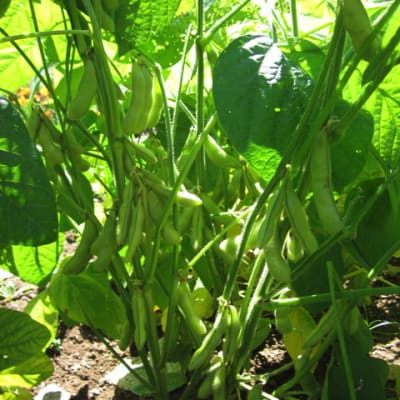
Glycine max (83 days) Open pollinated. Large beans with exceptional soybean flavor when eaten fresh. 2' compact plants are great for small gardens.
read more
Glycine max (91 days) Open pollinated. Vigorous thigh-high vines make early concentrated sets of light green pods, averaging two beans per pod.
read more
Monarda punctata Open pollinated. A whimsical beauty with complex blossoms and many culinary and medicinal uses. Its oregano-like aroma and flavor is lovely for tea and seasoning.
read more
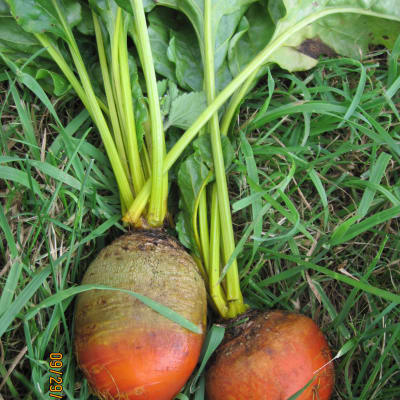
Beta vulgaris (55 days) Open pollinated. Vibrantly golden beets, sweet and delicious. Elongated pyramid shape with no green shoulders. Greens also delicious!
read more
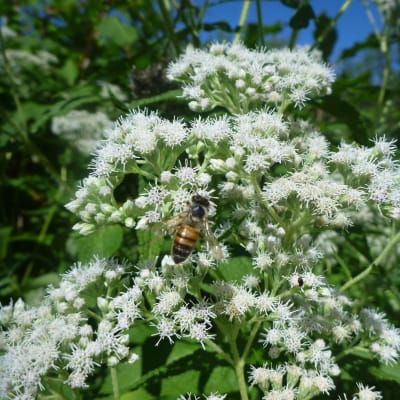
Eupatorium perfoliatum 5-7' tall. Flat-topped clusters of white to lavender flowerheads. Stimulates the immune system. Fetching addition to the perennial border. Z3.
read more
A must-read for anyone in the cannabis industry. Covers all aspects from soil and seed, to planting, growing and maintaining, through markets and product diversification. Funny and informative.
read more
The book you need to grow apples organically. This revised and expanded version includes apple-growing basics, as well as the latest research and strategies for successful organic orchards.
read more
This thorough and well-researched book features loads of educational tidbits and tips. Includes descriptions for 59 varieties with notes on taste, texture and suggested uses. Great for cooks.
read more
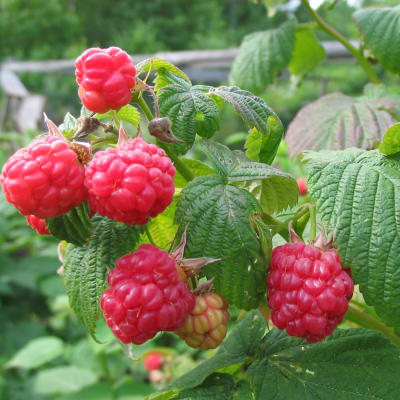
Rubus spp. Early-midsummer. The first ever thornless black raspberry available to home gardeners! Deep black large berries are moderately firm and tightly clustered. Vigorous upright canes. Z5.
read more
Rubus spp. Early-Mid. Round-conic medium-sized raspberries with an intense deep dark color. Strong aromatic tart flavor and perfect medium-soft texture. Z3.
read more
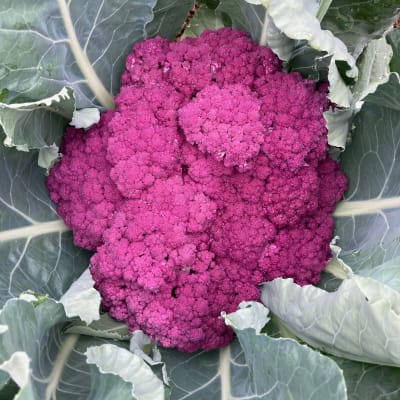
Brassica oleracea (botrytis group) (60 days) F-1 hybrid. Short stems bear compact 1-2 lb uniform firm white tight heads with fine beads. Early, but less dense than later varieties.
read more
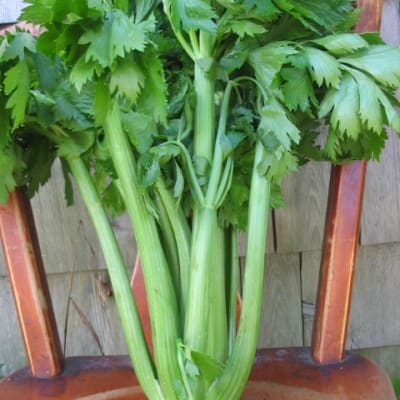
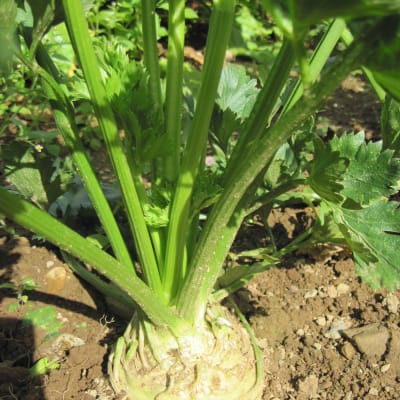
Apios graveolens var. rapaceum (100 days) Open pollinated. Gorgeous and delicious root vegetable tastes like celery but slightly nutty, with a texture like potato. Stores well, great for winter stews.
read more
Apium graveolens var. rapaceum (100 days) Open pollinated. A classy early celeriac, high yielding with relatively smooth roots, uniform white internal color and splendiferous eating quality.
read more