Trigonella foenum-graecum (30 days leaf, 120 days seed) Open pollinated. Leaf and seeds are used culinarily, imparting a sweet nutty flavor reminiscent of maple syrup. If not pinched back, the plant will
read more
Pycnanthemum incanum Open pollinated. A culinary herb, excellent cutflower and pollinator fave! “Mintier than mint” and less likely to spread.
read more
Spilanthes oleracea Open pollinated. Used as a ground cover in the south, it adds unusual beauty with its low growth habit and its cute yellow flowers with rayless red-orange centers.
read more
Stevia rebaudiana (100-120 days) Open pollinated. Stevia is several hundred times sweeter than sugar, and is used fresh, dried, powdered or in a liquid as a sugar substitute.
read more
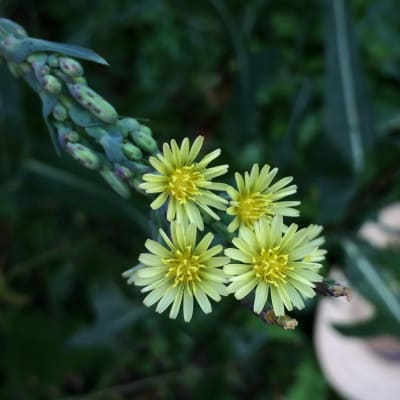
Lactuca serriola (60 days) Open pollinated. Readily grows as a spring-sown annual.Young leaves are edible, and the plant can be milked for its medicinal latex.
read more
Cornus mas 20-25' x 15-20'. Bright red pear-shaped edible fruit. Each seedling will be unique. Will pollinate each other and any named cornelian cherry cultivar. Z4/5.
read more
Vaccinium macrocarpon Albino berries with red blush. Selected from a seedling found growing in a bog on an island off the coast of Maine. Lasts up to 6 months in cold storage. Z2.
read more
Vaccinium macrocarpon 4-10". The cranberry of holiday sauces, bread and jelly. Dense low lustrous evergreen groundcover loaded with large red berries in fall. Z2.
read more
Prunus tomentosa 6-10' x same. Broad dense highly ornamental fruiting shrub blooms early. Excellent hedge and edible landscape plant. Plant two or more for pollination. Z2.
read more
Cephalanthus occidentalis 6-10' x 8'. Loose rounded branchy shrub with masses of ornamental blooms that appear 4–6 weeks in summer. Attractive to pollinators. Z4.
read more
Crataegus phaenopyrum 15-20' x 12-20'. Shrubby thorny low-branching dense tree. Used for centuries as a circulatory and cardiovascular tonic herb. Z4.
read more
Amelanchier laevis 15-25'. Leaves of this understory tree unfold purplish-orange bronzed color in spring. Pendulous white blossoms. Berries ripen midsummer. Z2.
read more
Lindera benzoin 6-12' x 8-12'. Large rounded multi-stemmed fragrant native shrub suited to moist or wet areas. Soft-yellow flowers. Glossy red edible berries. Z5.
read more
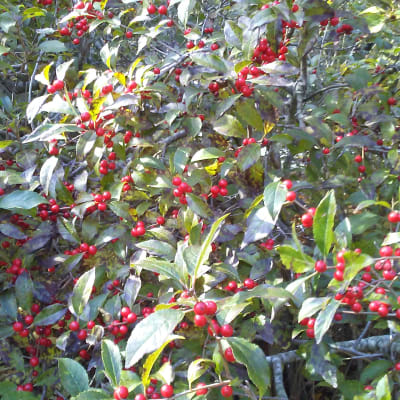
Ilex verticillata Bright-red berries stand out through the winter, providing late-spring forage for birds. A staple of the Maine landscape. Unsexed seedlings, plant several for berries. Z4.
read more
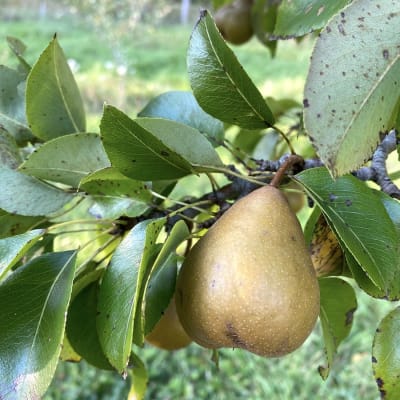
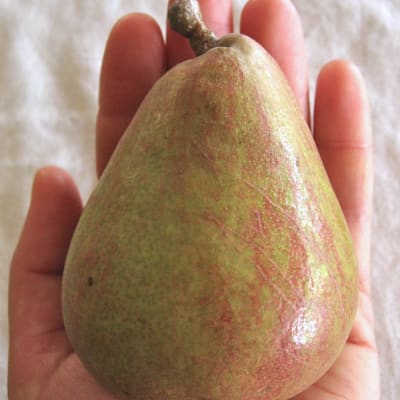
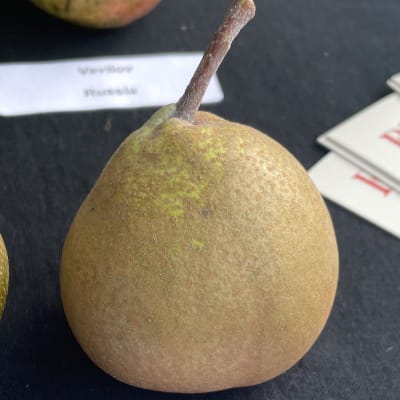
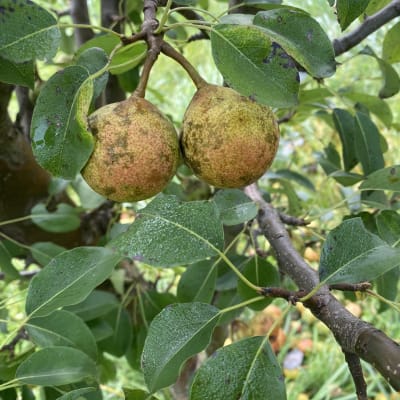
Pyrus communis Winter. Intensely sweet highly aromatic tender storage pear; possibly the best eating of all winter pears. Similar to Seckel. Keeps extremely well. Z4.
read more
Pyrus communis Late summer. Maybe the best-tasting pear ever. Rich, melting, buttery, juicy, sugary, tender, highly perfumed and aromatic with almost no grit cells. Excellent fire blight resistance. Z4.
read more
Pyrus communis Winter. Great storage pear with fantastic flavor. One of our favorites! Highly attractive fruit shines and glows. High yielding. Z4.
read more
Pyrus communis Fall. Medium-sharp perry pear. Too bitter for fresh eating but very good for making a strong aromatic perry. Also suitable for cooking. Medium-small spreading tree. Probably Z4.
read more
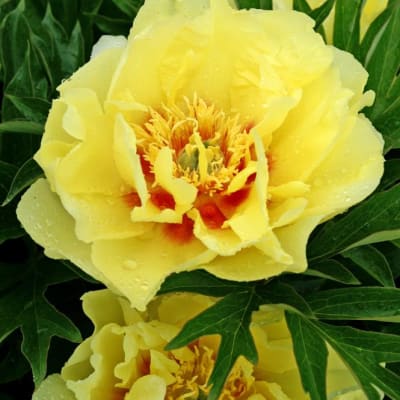
Paeonia lactiflora x suffruticosa Mid to late season blooms. Itoh Peonies were born out of the search for a perfect yellow peony such as this!
read more
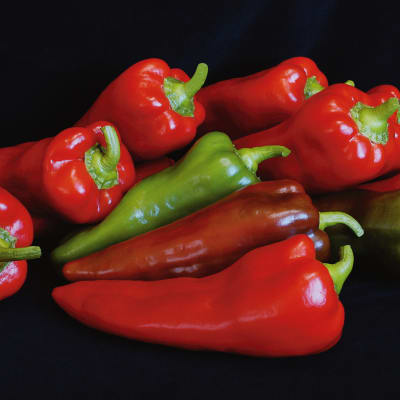
Capsicum annuum (70 days) F-1 hybrid. Deep carmine horn-shaped 2.5x6" fruits. Classic Italian Corno di Toro type. Unusually sweet. Widely adapted and early maturing.
read more
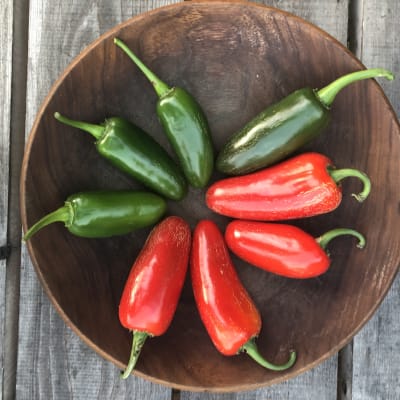
Capsicum annuum (87 days) Open pollinated. Heirloom from Ukraine. 2¼x4½" tapered peppers ripen from lime to orange to red. Crisp, juicy, thick-walled.
read more
Capsicum annuum (100 days) Open pollinated. Shiny orange fruits are a bit longer than a habanero but they pull off the look. Bushy short plants bear about 2 dozen sweet—not hot— fruits.
read more
Capsicum annuum (88 days) Open pollinated. This rare Pennsylvania Dutch heirloom packs considerable heat. Rarely eaten raw, the peppers were traditionally used for pickling and pepper vinegar.
read more
Capsicum annuum (68 days) Open pollinated. Smooth waxy yellow 1.5x5.5" tapered fruits ripen to orange then red. Semi-hot, 5,000-10,000 Scovilles. Early and prolific.
read more
Capsicum chinense (90 days) Open pollinated. A Scotch Bonnet–type infamous for its extreme heat, their distinctive flavor makes them a key ingredient in West Indian jerk sauces.
read more
Capsicum annuum (82 days) Open pollinated. Tiny bright red 1" conical fruits stand erect from foliage. Very hot, 25,000-40,000 Scovilles. Pretty and prolific.
read more
Capsicum annuum (71 days) Open pollinated. Red 4-6" long wrinkled tapered pendent fruits. Good fresh, roasted, strung into ristras, or dried and ground. Prolific.
read more
Capsicum annuum (80 days) Open pollinated. Early and prolific even in bad years, with a rich fruity taste. Maine-grown seed continues its cold-climate adaptation.
read more
Capsicum annuum (68 days) Open pollinated. Prolific yields of long tapering 2"red sweet peppers on short stocky plants. Great for cold-climate growers.
read more
Made with thyme oil and corn oil, greenhouse tests show CannControl to prevent and eliminate powdery mildew, gray mold, mites, aphids, whiteflies, thrips and fungus gnats.
read more
High-grade mineral oil for control of powdery mildew, scale, mites and other insects on trees and vegetables. Kills mildew on contact, and protects sprayed surfaces for 10-14 days.
read more
Helps induce systemic resistance to a broad range of fungal diseases in most edible crops. Preferable to copper fungicide on cannabis, and worth a try to prevent late blight in your potatoes!
read more
Durable UV-resistant mesh floating row cover. Excludes all manner of insect pests, even those as small as flea beetles, thrips and aphids. Also excludes birds and rabbits.
read more