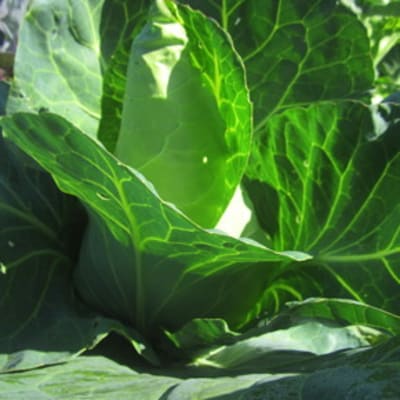
Brassica oleracea (alboglabra group) (45 days) Open pollinated. Dark green large tender leaves with just the right kind of mustardy bite. Prolific yields can be harvested at full size or as baby greens.
read more
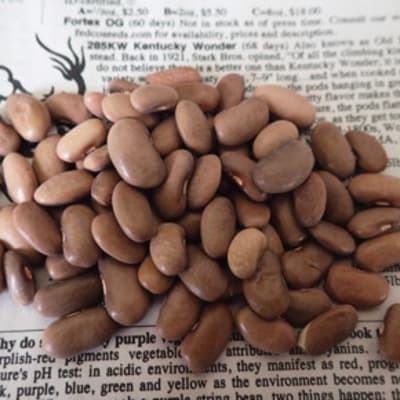
Phaseolus vulgaris (68 days) Open pollinated. Heirloom bears 7-9" pods with nutty flavor. Very productive. Excellent for freezing. Brown seed.
read more
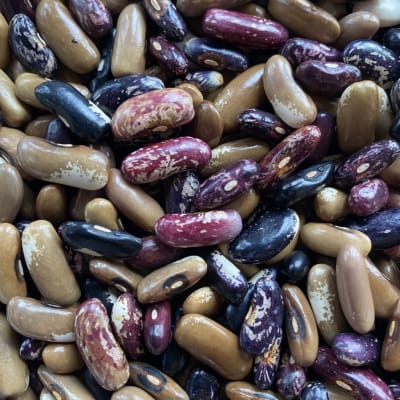
Phaseolus vulgaris (70 days) Open pollinated. Beautiful 6-7" green pods with purple streaking. Tan seed with dark stripes. Also known as Preacher Bean.
read more
Phaseolus vulgaris (60 days) Open pollinated. Dubbed “weirdo beans,” by the student seed keepers at Troy Howard Middle School, these glorious mutts spin out a ragtag rainbow of patterns, habits and ancestral forms.
read more
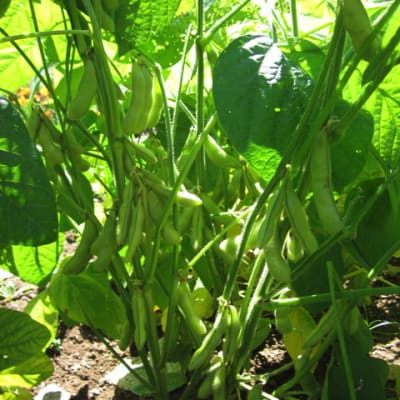
Glycine max (83 days) Open pollinated. Large beans with exceptional soybean flavor when eaten fresh. 2' compact plants are great for small gardens.
read more
This thorough and well-researched book features loads of educational tidbits and tips. Includes descriptions for 59 varieties with notes on taste, texture and suggested uses. Great for cooks.
read more
A poignant and galvanizing collection of essays and conversations with respected Black leaders, brilliantly woven together by Leah Penniman of Soul Fire Farm, author of Farming While Black.
read more
An approachable botany textbook and herbal field guide to North American plants with colorful illustrations on nearly every page. Regularly updated by the author since its release in 1996.
read more
Filled with clear how-to and how-not-to instructions, along with useful illustrations and laugh-out-loud humor, Turnbull walks through the basics and delves into specifics for more than 150 plants.
read more
A gift to a world disoriented by ecological collapse and haunted by the question of what to do, Eisenstein’s book gets to the heart of the predicament of how to heal our planetary wounds.
read more
A standout among the many no-till books. Frost provides a deep look into the living nature of soil while broadening our practical understanding of how to grow crops in a regenerative way.
read more
With plenty of scientific detail and practical knowledge about a variety of regenerative practices, Phillips reveals how mycorrhizal fungi are deeply embedded in healthy soils and plant physiology.
read more
If thoughts of crisp carrots in March set your mouth watering, you'll love this well-illustrated tour of root cellar designs, featuring varietal selections, best storage conditions, and recipes.
read more
Brassica oleracea (botrytis group) (90 days) F-1 hybrid. Late-summer to fall, delivers a dark green semi-domed 6-8" head with medium-small tight bead. Abundant side shoots, good heat tolerance.
read more
Brassica oleracea (capitata group) (75 days) Open pollinated. Distinctive violet-rose color. Small to medium 3-5 lb heads can be up to 7" across on a compact plant.
read more
Brassica oleracea (capitata group) (85 days) F-1 hybrid. Deep purple-red rock-hard round heads avg 4-6 lb. Excellent for long storage. Very cold hardy.
read more
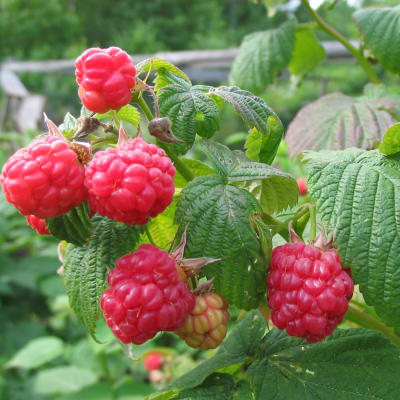
Rubus spp. Early-Mid. Round-conic medium-sized raspberries with an intense deep dark color. Strong aromatic tart flavor and perfect medium-soft texture. Z3.
read more
Daucus carota (55 days) Open pollinated. Early coreless translucent pinkish-orange blunt-tip roots. Mild sweetness boosted by “carrot perfume.” Upright tops good for bunching.
read more
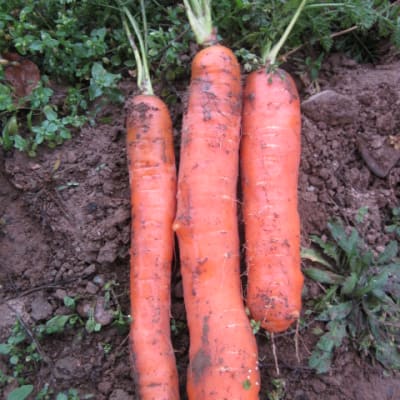
Daucus carota (55 days) F-1 hybrid. Blunt Nantes-type 7-8" orange carrot with strong green tops and a medium core. Snappy, sweet and juicy. Use fresh or store.
read more
Daucus carota (70 days) F-1 hybrid. 6–7" slender carrot similar to Yaya, but with slightly later maturity and more upright tops. Good for storage.
read more
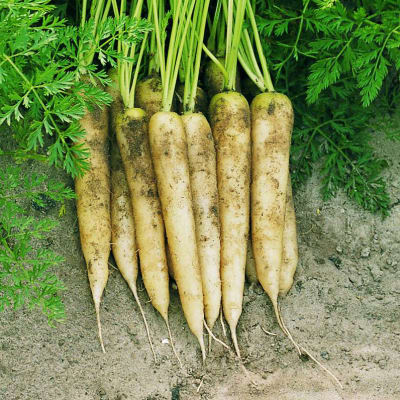
Daucus carota (70 days) F-1 hybrid. Straight 8" creamy-white carrot. Good texture and flavor, both raw and cooked. Develops green shoulders at full-size.
read more
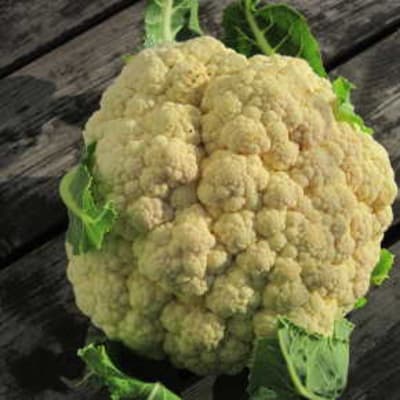
Brassica oleracea (botrytis group) (93 days) F-1 hybrid. Very large upright plants set dense 2-4 lb attractive white domed heads. Tender with very good flavor.
read more
Apium graveolens (80 days) Open pollinated. Thick crisp stalks have rich flavor, not harsh even in less-than-ideal conditions. Ventura must receive adequate, even moisture for best growth.
read more
Prunus avium Summer. All-around excellent sweet cherry for the Northeast. Sweet light-colored flesh. Good size, great flavor and heavy cropping. Disease and crack resistant. Self-pollinating. Z4.
read more
Slipped over your forearms and gloves, the heavy close-woven canvas protects you from the cuts of rose thorns, thistle spines and other prickly peril, without restricting arm motion or circulation.
read more