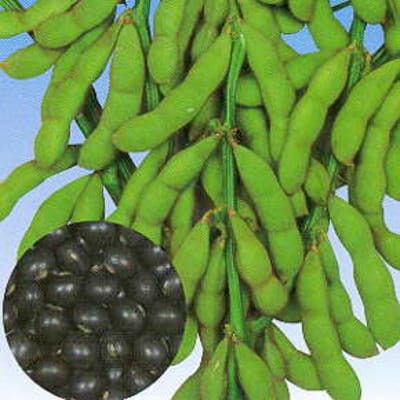
Phaseolus vulgaris (106 days) Open pollinated. Large speckled tan beans with good yields, even in stressful conditions. Creamy texture for great comfort food.
read more
Phaseolus vulgaris (106 days) Open pollinated. Large speckled tan beans with good yields, even in stressful conditions. Creamy texture for great comfort food.
read more
Phaseolus vulgaris (70 days shell, 90 days dry) Open pollinated. White Cannellini bean. 5-6" short fat pods contain 5 plump seeds. Excellent flavor.
read more
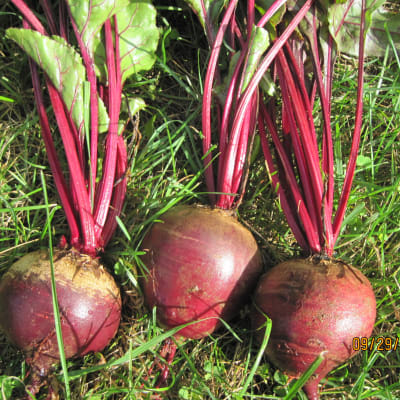
Beta vulgaris (60 days) Open pollinated. Heirloom. Uniform globular smooth red beet. Tender interior with deep red flesh. A favorite of home gardeners and canners.
read more
Brassica oleracea (gemmifera group) (105 days) F-1 hybrid. Tall-stalked Divino’s plentiful very tight half-dollar-sized sprouts are dark green. Open branch architecture makes for low presence of aphids.
read more
Brassica oleracea (gemmifera group) (105 days) F-1 hybrid. Tall-stalked Divino’s plentiful very tight half-dollar-sized sprouts are dark green. Open branch architecture makes for low presence of aphids.
read more
Brassica oleracea (gemmifera group) (120 days) F-1 hybrid. 1" tightly wrapped sprouts are widely spaced for ease of harvest and good air circulation. Vigorous and sturdy plants showed little aphid damage.
read more
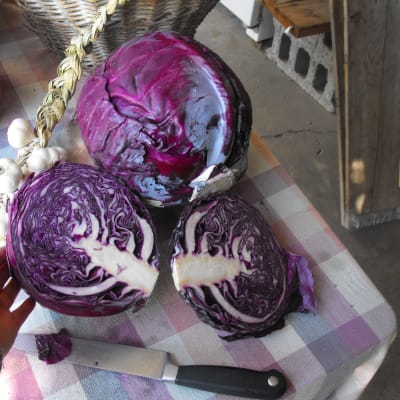
Brassica oleracea (capitata group) (105 days) Open pollinated. Compact deep-burgundy red heads are excellent raw, cooked or fermented. In good storage they'll keep till March.
read more
Eschscholzia californica (60 days) Open pollinated. Cheery cup-shaped silky blooms range from light orange to deep rust, opening their faces to the sun each morning and closing up again at night.
read more
Brassica oleracea (botrytis group) (80 days) F-1 hybrid. You won’t need to use the force to attain revolutionary fall harvests of dependable cold-tolerant medium-large heads.
read more
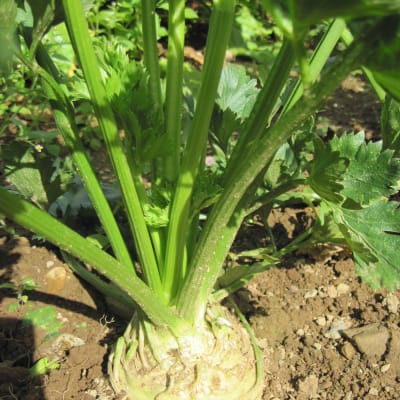
Apios graveolens var. rapaceum (100 days) Open pollinated. Gorgeous and delicious root vegetable tastes like celery but slightly nutty, with a texture like potato. Stores well, great for winter stews.
read more
Apium graveolens var. rapaceum (100 days) Open pollinated. A classy early celeriac, high yielding with relatively smooth roots, uniform white internal color and splendiferous eating quality.
read more
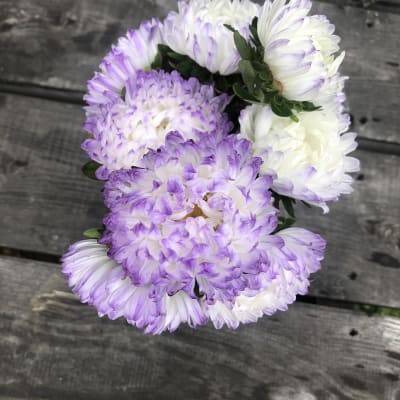
Callistephus chinensis (110 days) Open pollinated. Irresistible bicolor 2–3" peony-type blooms of iridescent white and purple. Bred for uniform height and bloom time.
read more
Callistephus chinensis (110 days) Open pollinated. Irresistible bicolor 2–3" peony-type blooms of iridescent white and purple. Bred for uniform height and bloom time.
read more
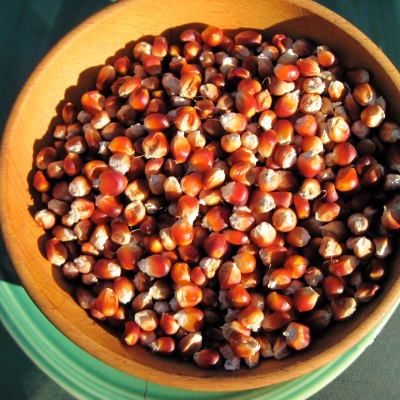
Zea mays var. rostrato (100 days) Open pollinated. Beautiful red pointy kernels are easy to shell and grind. Rich sweet corn flavor good for flour or polenta.
read more
Zea mays (72 days baby, 110 dry) Open pollinated. For baby corn, harvest ears about five days after silks appear. Or grow to full size for popcorn. 5' plants each bear 3-6 4" ears with white kernels.
read more
Zea mays (102 days) Open pollinated. Two 4-6" stocky ears per stalk. 8' plant with long dark green leaves. Delicious 1885 Pennsylvania Dutch heirloom.
read more
Cucumis sativus (63 days) Open pollinated. Classic slicer for the Northeast. Dark green 8-8.5" uniform fruits. Vigorous throughout the season.
read more
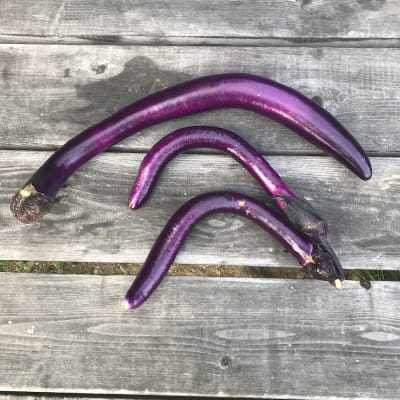
Solanum melongena (60 days) F-1 hybrid. This high-yielding hybrid version of Asian-type Pingtung Long produces 14"-long, 1½"-thick fruits with mild tender flesh.
read more
Zingiber officinale (120 days) Suitable for high tunnel cultivation, even in our northern climate! Rose-tinged pearlescent skin will draw customers from yards away.
read more
Lagenaria siceraria (120 days) Open pollinated. Large gourd with bulbous base and narrow neck. Fruit can grow 14" tall and 12" in diameter. Start indoors.
read more
Luffa aegyptiaca (110 days) Open pollinated. Used to make sponges and scrubbies. Also edible when harvested young. Requires a long season; start indoors.
read more
Cucurbita pepo var. ovifera (100 days) Open pollinated. A vivid mix of greens, yellows, creams and whites on straight and curved necks, all with double sets of wings and fins.
read more
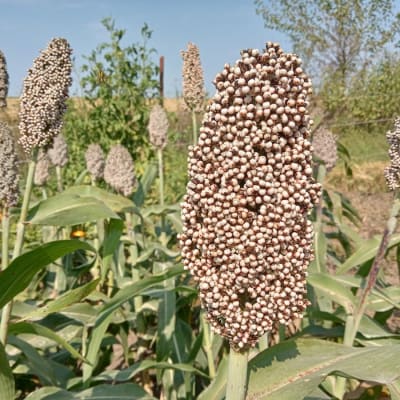
Sorghum bicolor (100 days) Open pollinated. A white-seeded 4' grain sorghum, can be popped, but it is more commonly ground into a mild-flavored flour, cooked as a grain, or sometimes nixtamalized like corn and made into tortillas.
read more
Portulaca oleracea var. sativa (50 days) Open pollinated. Golden-green leaves with succulent texture and mildly acerbic flavor. Ideal addition to mesclun.
read more
Brassica oleracea (acephala group) (60 days) F-1 hybrid. Tall plants with ruffled red leaves; color intensifies in cool weather. Very cold hardy ornamental edible.
read more
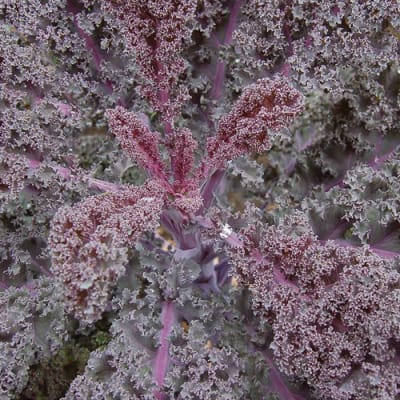
Brassica oleracea (acephala group) (30 days baby, 55 days mature) Open pollinated. Frilly purple leaves suitable for baby leaf or bunching. Similar to Redbor leaf shape and color.
read more
Brassica oleracea (acephala group) (60 days) Open pollinated. Vigorous upright lacinato-leaved kale in a range of bluish-green shades, all with a dramatic pink mid-rib.
read more
Brassica spp. (60-65 days) Try the whole gamut of kales. Shades of green, some tinged red, or with red or white veins, in a variety of leaf shapes: frilly, smooth and savoyed.
read more
Brassica oleracea (acephala group) (60 days) Open pollinated. English heirloom. Extremely hardy and vigorous. Rounded slightly savoyed leaves are tender even when large.
read more
Allium ampeloprasum (porrum group) (120 days) Open pollinated. Up to 4" across. Makes much of its growth below ground, protected from the cold; often withstands the rigors of winter to offer a delectable spring treat.
read more
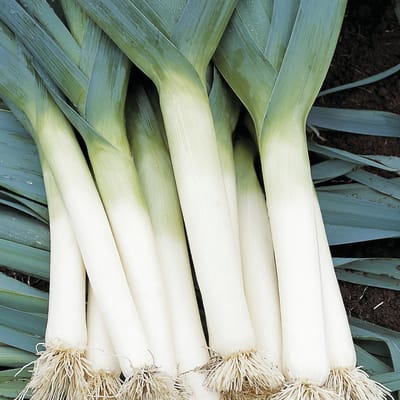
Allium ampeloprasum (porrum group) (100 days) Open pollinated. Highly uniform and reliable OP leek with impressive cold tolerance, gorgeous dark blue-green leaves, and medium-length white shanks.
read more
Lactuca sativa (50 days) Open pollinated. Dark green outer leaves with broad mid-ribs and a creamy white center heart. Slow to bolt. Excellent flavor. Bestseller.
read more