NPK: 0-0-18. Highly concentrated extract makes an excellent foliar spray containing growth hormones, trace minerals, enzymes and carbohydrates.
read more
Agricultural Sulfur. Use to make soil pH more acidic. Often helpful for both lowbush and highbush blueberries, and for potatoes. Lowering the pH of gravel paths will help control weed growth.
read more
NPK: 13-0-0. One of the fastest release times of all organic nitrogen sources. Highly recommended for corn. The smell (understandably) freaks out deer. Use as a side-dressing or till into soil.
read more
NPK: 2-2-2. 16% Chitin. Nourishes chitin-feeding bacteria and fungi, which in turn devour gnat eggs and root-feeding nematodes. Also fortifies plants’ cell walls, and fosters healthy blooms.
read more
Malus spp. This is a twig for grafting. Winter. Medium-sized dessert apple is hard, crisp, juicy and sweet. One of the best keepers. Blooms late. Z3.
read more
Malus spp. Summer. Bred from Yellow Transparent. Attractive, smooth skinned light green apple that appears to glow on the tree when ripe in mid summer. Very tart fresh eating. Great for sauce, summer pies. Z3.
read more
Malus spp. This is a twig for grafting. Summer. One of the best-flavored early apples for northern growers. Crisp, tender, juicy subacid. Glossy red round fruit. Z3.
read more
Malus spp. This is a twig for grafting. Fall. Medium-sized apple. Sweet, nutty and spicy flavors. Fine-textured crisp flesh. Keeps till midwinter. Some resistance to scab. Z3.
read more
Malus spp. This is a twig for grafting. Fall. Medium-sized. Tender juicy sweet tart white flesh. Famous all-purpose variety. Especially good pies. Small-med size tree. Z3.
read more
Prunus armeniaca Summer. Small roundish yellow-orange apricot with a red blush. Smooth juicy freestone flesh with a mild sweet flavor. Extremely hardy. Z3.
read more
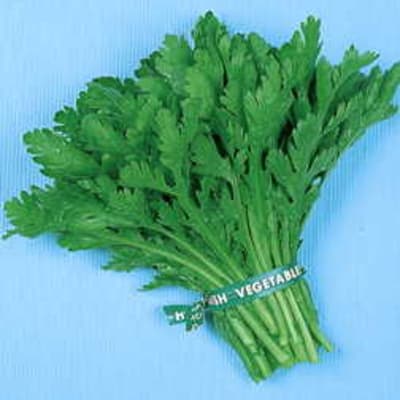
Glebionis coronaria (40 days) Open pollinated. Japanese Shungiku prized for small grey-green leaves and 3" yellow flowers, both edible. Sow in spring.
read more
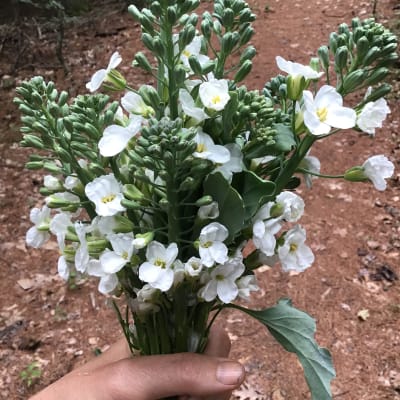
Brassica rapa (37 days) Open pollinated. Produces many pencil-thick deep purple flowering shoots with pleasing mild mustard flavor. Grows best in cool weather.
read more
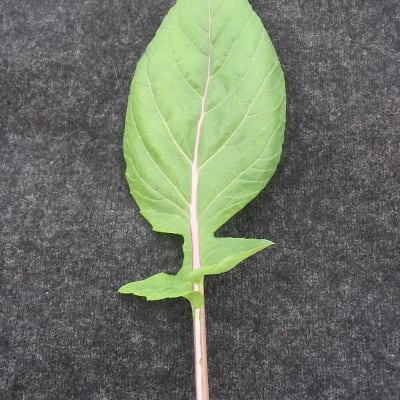
Brassica oleracea (45-60 days) F-1 hybrid. Also called Chinese Broccoli. Grown for succulent stems, leaves and florets. Uses and flavor similar to broccoli. Tolerant to heat and cold.
read more
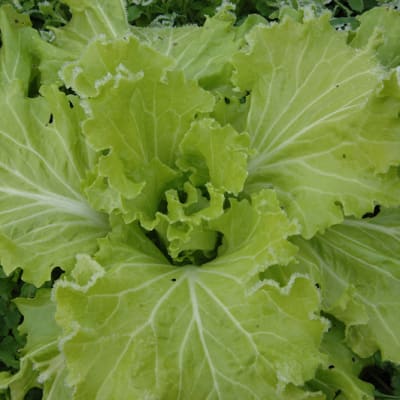
Brassica rapa (chinensis group) (20 days baby, 45 days full size) Open pollinated. Lettucy pale green ruffled leaves. Mild, sweet. Will re-grow after cuttings. Cold hardy.
read more
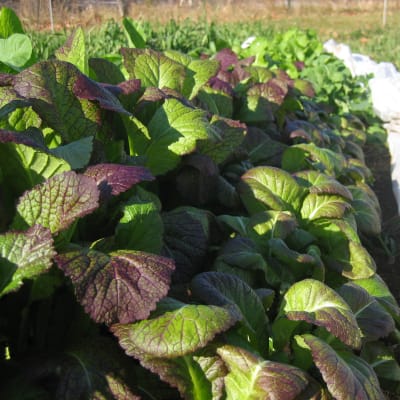
Brassica juncea (integlifolia group) (45 days) Open pollinated. Japanese heirloom. Large purple-tinted savoyed leaves. Peppery flavor. Standard mesclun ingredient. Cold tolerant.
read more
Centaurea cyanus (90 days) Open pollinated. Annual. Ruffled dark maroon flowers, sometimes called Black Gem Bachelor’s Button. 3' tall. Hard to find.
read more
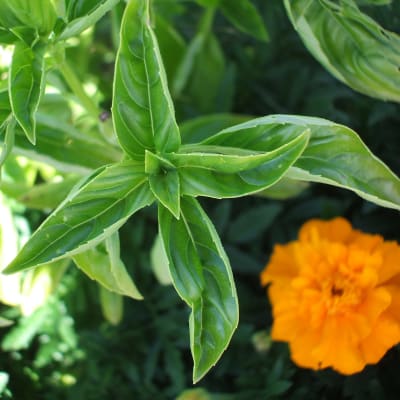
Ocimum basilicum (70 days) Open pollinated. Impressive yields from shapely plants well suited to pots or the field. Classic sweet Genovese flavor and a marvelously potent aroma. Resists powdery mildew.
read more
Ocimum basilicum (70 days) Open pollinated. The choice of many connoisseurs for making pesto. Leaves are slightly smaller and finer than Sweet Basil with more aroma and potency.
read more
Ocimum basilicum (70 days) Open pollinated. The choice of many connoisseurs for making pesto. Leaves are slightly smaller and finer than Sweet Basil with more aroma and potency.
read more
Phaseolus vulgaris (58 days) Open pollinated. 5.5" long green bean. Very stress tolerant and high yielding, with good texture and flavor. White seed.
read more
Phaseolus lunatus (103 days) Open pollinated. 18" tall. 3 tender beans per pod, grey in the shell stage and drying to buff with purple and black mottling. White flowers.
read more
Phaseolus lunatus (95 days) Open pollinated. A pole lima that will actually ripen in the Northeast! Vigorous vines produce large pods of tender, sweet and delightfully beany limas.
read more
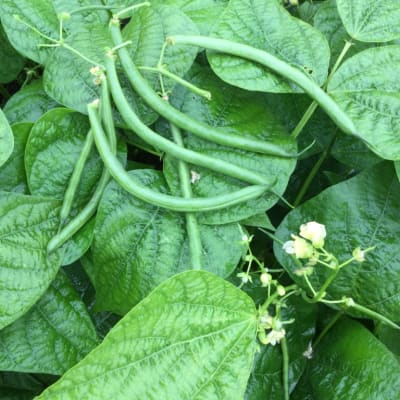
Phaseolus vulgaris (59 days) Open pollinated. Produces heavy yields of fleshy medium-green 5" pods that are slow to develop seeds. Pods aren’t as wide as Roma II, but walls are thicker and juicier.
read more
Beta vulgaris (60 days) Open pollinated. Heirloom, also known as Winter Keeper. The best winter storage beet. Glossy green tops with no purple.
read more
A liquid combination of yeasts, actinomycetes, and bacteria. Promotes plant health and growth, and improves nutrient absorption and soil fertility. Our cannabis-growing friends can't do without it.
read more
A blend of microorganisms and mycorrhizal fungi to prevent seed rot and enhance growth for corn, legumes, grasses, potatoes, garlic, and other veggies. Recommended if you cut your own seed potatoes!
read more
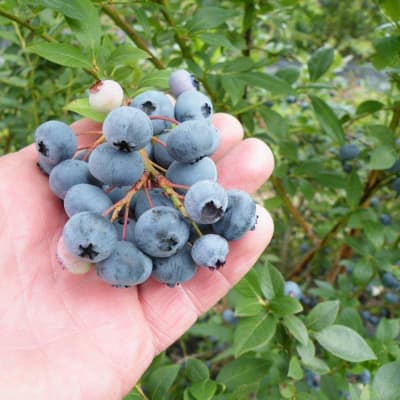
Vaccinium corymbosum Mid. 6-8' × 5'. High-quality medium light blue berries are firm, sweet and low in acidity. High yielding. Upright bush has shown some tolerance to clay soils. Z5.
read more
Brilliantly framed as a detective story, this book is a must for anyone interested in apples and the old-timey experts behind the scenes. Filled with photographs and beautiful illustrations.
read more
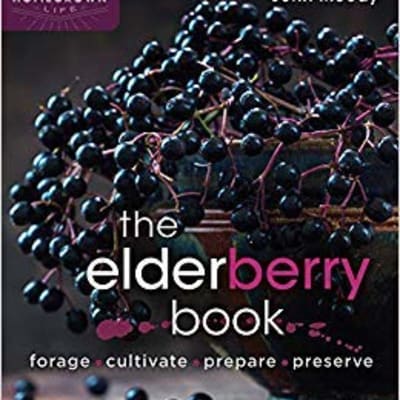
Highlights reasons to plant an elderberry bush and how to do it successfully. He walks us through a history of the plant, its cultivation and propagation, and its many uses in food, tools and toys.
read more
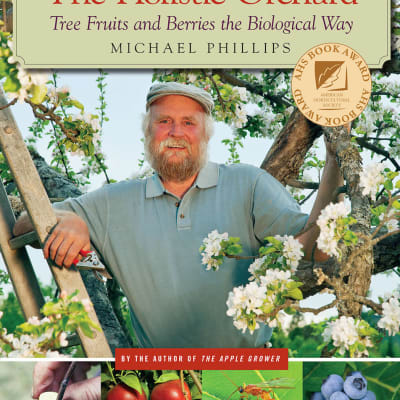
Covers a wide range of crops, while addressing orchard design, dynamics and horticulture in unparalleled detail. Pruning, planting, companion planting, spraying, not spraying—it's all here!
read more
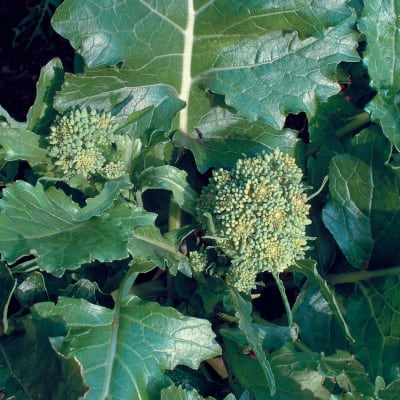
Brassica rapa (ruvo group) (40 days) Open pollinated. A non-heading version of broccoli with a more pungent flavor. Harvest young stems, leaves and small flower buds to steam, stir-fry or add to salads.
read more
Brassica oleracea (gemmifera group) (105 days) F-1 hybrid. Tall-stalked Divino’s plentiful very tight half-dollar-sized sprouts are dark green. Open branch architecture makes for low presence of aphids.
read more
Brassica oleracea (gemmifera group) (105 days) F-1 hybrid. Tall-stalked Divino’s plentiful very tight half-dollar-sized sprouts are dark green. Open branch architecture makes for low presence of aphids.
read more