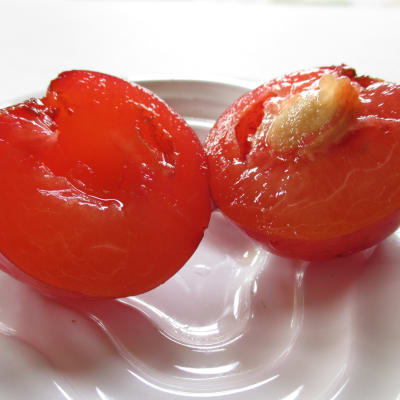
Prunus spp. Midsummer, red-orange skin, dark pinkish red flesh. Delicious medium-sized fruit with soft sweet pinkish flesh. Glossy ornamental red foliage all summer long. May be self-pollinating. Z4.
Prunus spp.This is a twig for grafting. Late summer, purple skin, purplish red flesh. Japanese type with purplish-red flesh. Soft, juicy, very sweet. Absolutely delish! Z4.
Prunus spp. Late summer, rosy red skin, yellow flesh. Large fruit has yellow flesh with excellent flavor. Clingstone. Vigorous early-blooming tree. Z3.
Prunus spp.This is a twig for grafting. Summer, bright red skin, yellow flesh. Medium-sized fruit with firm fragrant yellow semi-freestone flesh. Apricot-like flavor when cooked. Grows rapidly. Z3/4.
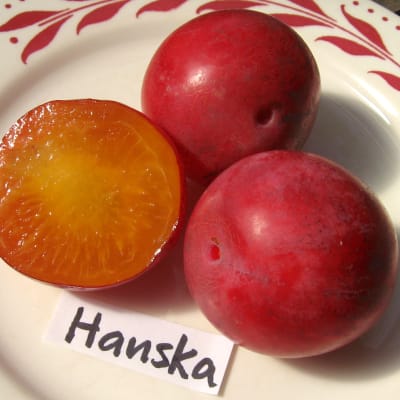
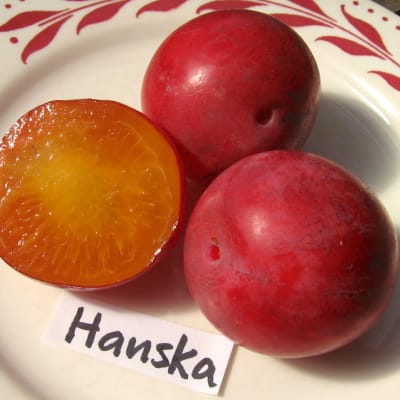
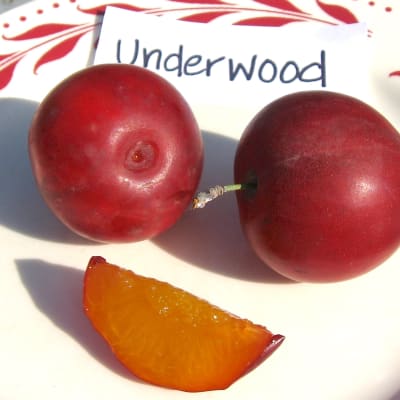
Prunus spp. Mid-late summer, red-purple skin, yellow-orange flesh. Large red-purple plums with translucent yellow-orange tart flesh. Clingstone. Good fresh eating or canning. Bears reliably. Z3.
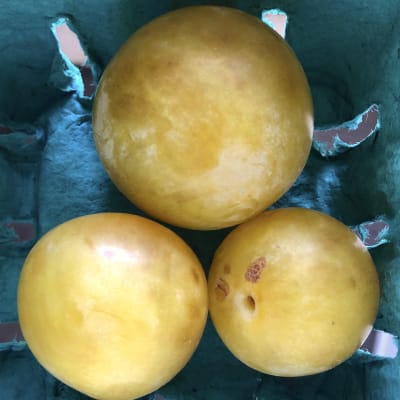
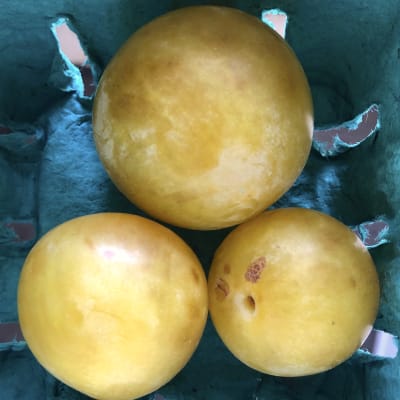
Prunus spp. Late summer, yellow skin, yellow flesh. Roundish tender thin-skinned yellow plum sometimes blushed with a little pink. Tender yellow juicy flesh. Freestone. Z3/4.
Prunus spp.This is a twig for grafting. Late summer, yellow skin, yellow flesh. Roundish tender thin-skinned yellow plum sometimes blushed with a little pink. Tender yellow juicy flesh. Freestone. Z3/4.
Prunus spp. Midsummer, purplish red skin, red-blushed yellow flesh. Purple-red fruit with yellow-bleeding-to-red firm flesh. Excellent fresh eating. Seems plenty hardy once established with good pest and disease resistance. Z4/5.
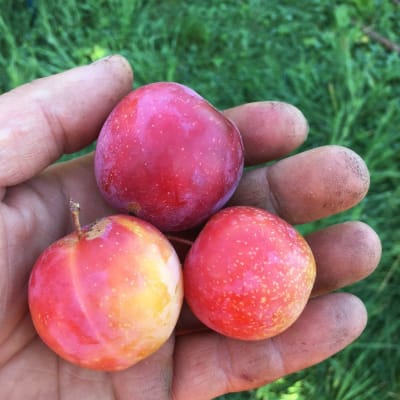
Prunus spp. Early summer, bright red skin, dark golden orange flesh. Golden-orange flesh is firm and apricot flavored. Half-freestone. One of the first hybrids to ripen in summer. Z3/4.
Prunus spp. Late summer, deep red skin, yellow flesh. Large deep red plum with a golden blush. Juicy yellow flesh, excellent sweet flavor. Skin peels easily. Clingstone. Z3.
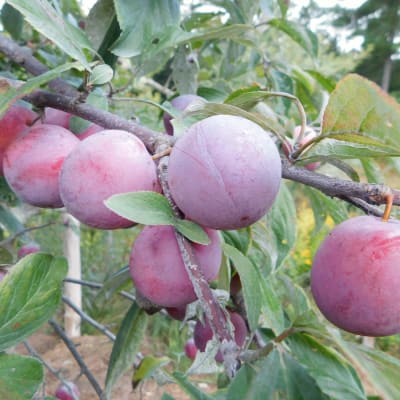
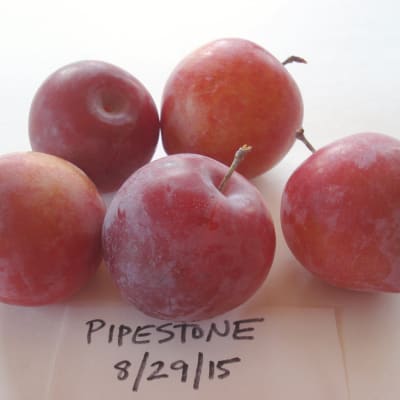
Prunus spp. Late summer, red-purple skin, red-purple flesh. Meaty, mild and rich with no astringency. Red-purple skin and flesh. Clingstone. One of the most delicious plums! Z4/5.
Prunus spp. Midsummer, light yellow skin, light yellow flesh. Sweet chin-dribbling light-yellow translucent flesh is so juicy it might soak your shirt. Broadly spreading picturesque tree tops off at only 10 or 12'. Z5.
Prunus spp.This is a twig for grafting. Midsummer, light yellow skin, light yellow flesh. Sweet chin-dribbling light-yellow translucent flesh is so juicy it might soak your shirt. Broadly spreading picturesque tree tops off at only 10 or 12'. Z5.
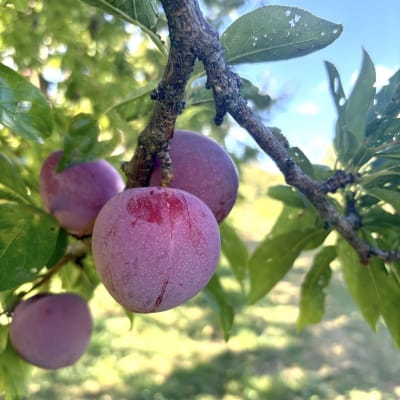
Prunus spp. Late summer, rosy purplish red skin, yellow flesh. Sweet, meaty and flavorful. Somewhat freestone. Extremely vigorous tree. A great pollinator fro other hybrids. Z3.
Prunus spp. Midsummer, dull red skin, golden yellow flesh. Medium-to-large 2" dull red fruit. Firm sweet juicy golden-yellow semi-freestone flesh, very good for eating and cooking. Z3.