Lathyrus latifolius Open pollinated. The traditional English cottage sweet pea. Shades of rose, white and pink in big clusters. Good cutflowers. Climbs 6'.
Lathyrus odoratus Open pollinated. Oldest and among the most fragrant of all sweet peas. Deep maroon-purple upper petals with deep violet-blue lower petals. 5' vines.
Lathyrus odoratus Open pollinated. Soft primrose-cream blossoms with dark lilac bands at the edges. Long stems perfect for cutting. Lovely fragrance. 4–6' vines.
Lathyrus odoratus × L. belinensis Open pollinated. Pale mauve-pink and deeper-hued lavender-blue wings, grandiflora type, growing to 6', with 3-4 flowers per stem.
Lathyrus odoratus Open pollinated. An antique striated variety. Blossoms contain subtle variations of bright reds with creamy white streakings. Heavily perfumed. Vines grow to 3'.
Lathyrus odoratus Open pollinated. Semi-dwarf 20" bush-type plants need no support, produce full-length stems. Mix includes chianti, pink, blue-violet and lavender.
Lathyrus odoratus (75 days) Open pollinated. Mixture of crimson, scarlet, white, lavender, deep rose, medium blue and pink. Long stems make ideal cutflowers. 4-6' staking variety.
Lathyrus odoratus (60 days) Open pollinated. Mix of blue, lavender, pink, purple, chocolate, orange and scarlet, streaked with white. Huge blossoms and great as a cutflower. Over 5' tall.
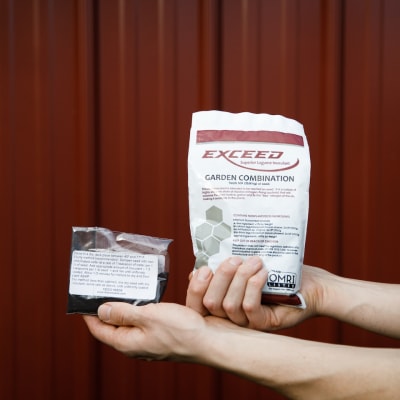
Inoculates peas, sweet peas, cowpeas, dry beans, peanuts, lentils, limas, vetch, and Sunn Hemp. We recommend using fresh inoculant each time you plant a legume.
Annual flowers for bouquets! Selection is similar to our Cutflower Mix, but the seeds are packed separately, so you can consider each variety’s individual growing needs.
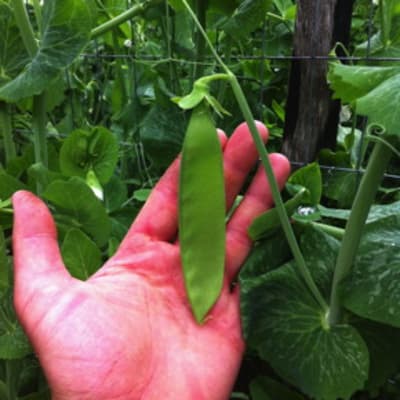
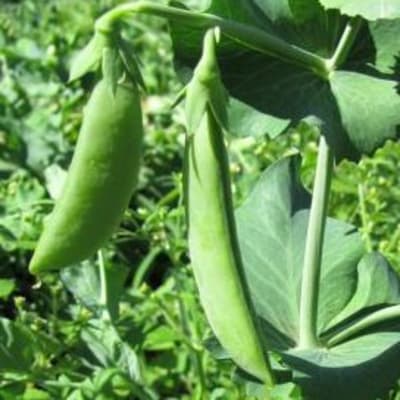
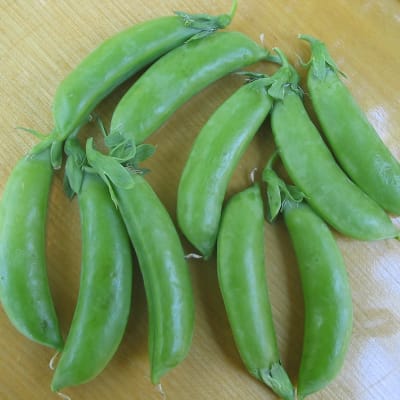
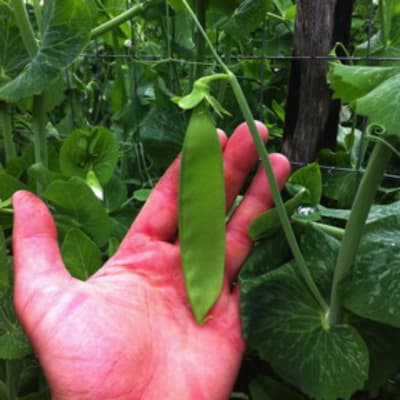
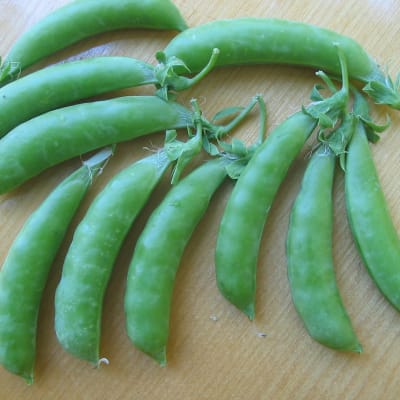
Pisum sativum (58 days) Open pollinated. Earliest snap pea, on 2' vines. Use to start the season, and allow extra space between rows if you do not stake.
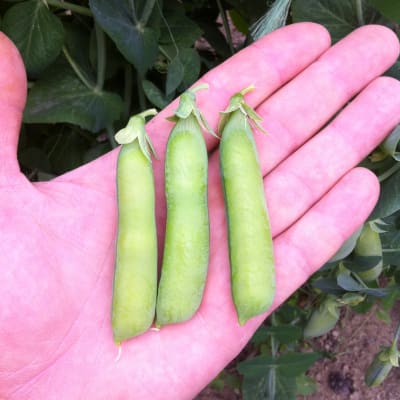
Pisum sativum (65 days) Open pollinated. Prolific Tendersweet bears 2½–3" dark green and slightly curved snap pods. Has a longer picking window than most quick and short types.
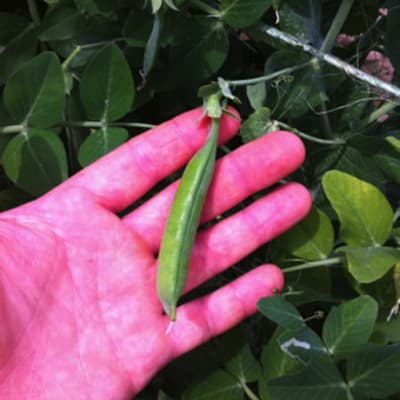
Pisum sativum (65 days) Open pollinated. Named for its tremendous yields borne on 3' vines. Although the pods are slow to sweeten, they develop a good pea flavor which becomes more sugary as they fill.
Pisum sativum (68 days) Open pollinated. Far tastier than dwarf varieties. 5-7' vines, need strong stakes. Pods reach superb sweetness only when completely filled.
Pisum sativum (68 days) Open pollinated. Far tastier than dwarf varieties. 5-7' vines, need strong stakes. Pods reach superb sweetness only when completely filled.
Vigna unguiculata (65 days shell, 90 days dry) Open pollinated. Cowpeas for the North! Small white bean matures quickly. Easy-to-pick yellow pods. Beautiful yellow flowers on bushy semi-erect plants.
Cucumis melo Light green flesh. (75 days) F-1 hybrid. An impressive medium-sized melon with lush mellow-sweet pear flavor and light green very juicy flesh.
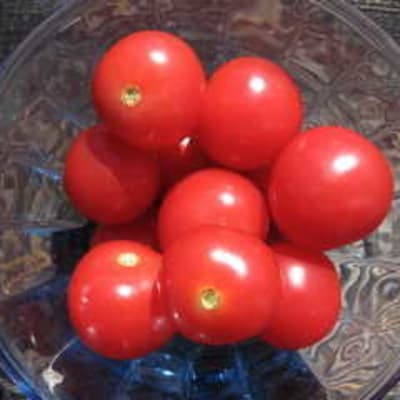
Solanum lycopersicum Deep rosy pink skin. (75 days) F-1 hybrid. Gorgeous deep rose large 20-30g cherry. Slowly ripens from pink to deep rose with matte finish. Low-acid, tasty, mellow.
Capsicum annuum Red skin. (85 days) Open pollinated. Cone-shaped 2½x10" fruits taper to a blunt end. Ripens from green to yellow to red. Sweet, crunchy, fruity; ideal for grilling and frying.
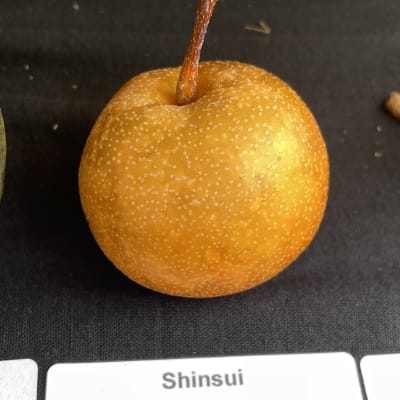
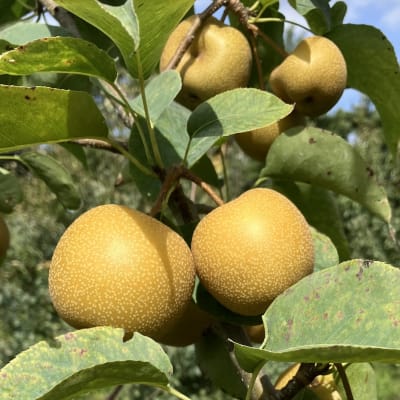
Pyrus pyrifolia Summer, russeted yellow skin. Medium-sized crisp juicy fine-textured very sweet Asian pear. Not as firm as others. Keeps about 6 weeks. Z4/5.
Pyrus communis Fall, greenish yellow skin, yellowish flesh. A superior dessert pear with sweet very juicy flesh. Better wear a bib. Highly ornamental tree. Z4.
Pyrus communis Winter, russeted golden-yellow skin. Intensely sweet highly aromatic tender storage pear; possibly the best eating of all winter pears. Similar to Seckel. Keeps extremely well. Z4.
Pyrus communis Late summer, red-blushed greenish yellow skin. The best-quality large hardy pear available. Very good fresh eating with sweet “high flavor.” Good canning. Z3.
Pyrus communis Pink-blushed yellow skin, mottled red flesh. Unusual red-fleshed pear. Mild and sweet, good fresh eating and drying. A fun addition to any orchard. Z4.
Pyrus communis Midsummer, red-blushed green skin. Sweet dessert and canning pear. Eat them fresh, can them in quarters, and juice the rest. Fireblight-free. Z3.
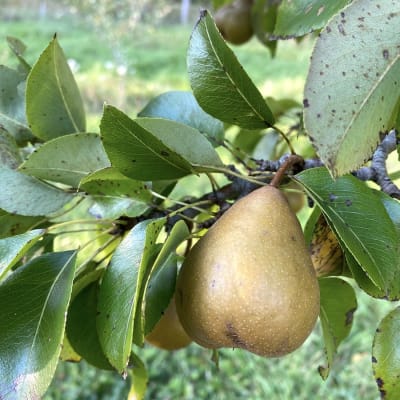
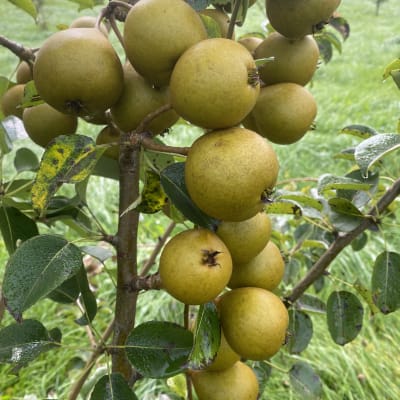
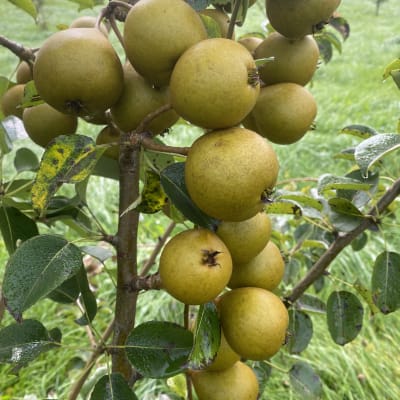
Pyrus communis Fall, russeted greenish yellow skin. Mild-bittersweet perry pear. Fruits easily shaken from tree when ripe. Low in acid and tannin and a great sweet addition to perry blends. Not for fresh eating. Z4.
Pyrus communisThis is a twig for grafting. Fall, russeted greenish yellow skin. Mild-bittersweet perry pear. Fruits easily shaken from tree when ripe in early/mid-fall. Low in acid and tannin and a great sweet addition to perry blends. Not for fresh eating. Z4.
Malus spp. Fall-winter, russeted purplish red skin. Medium to very large apple has a good balance of sweet and tart with hints of pear. All-purpose. Keeps until midwinter. Z4.
Malus spp.This is a twig for grafting. Fall-winter, russeted purplish red skin. Medium to very large apple has a good balance of sweet and tart with hints of pear. All-purpose. Keeps until midwinter. Z4.