Rosa carolina 2-4' × same. Single pink 5-petaled flowers emerge May-June. Small red hips in fall. Found along streams, roads and open woods throughout New England. Full sun to partial shade. Native. Z4.
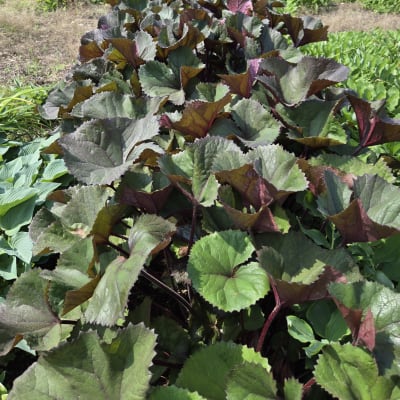
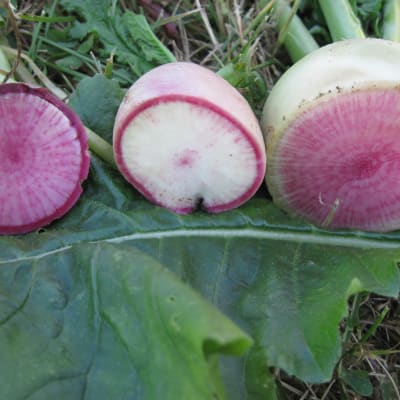
Raphanus sativus Multi-colored skin, rose flesh. (60 days) Open pollinated. Greenish-tan to rose skin, rose flesh. Spicy but not harsh. For fall crop, a good keeper.
Xerochrysum bracteatum (80 days) Open pollinated. Light pink to warm rose 2–2½" double flowers bloom lavishly throughout the season for stellar fresh and dried bouquets. Annual.
NPK: 2.5-6-3. Show your perennial flowers you appreciate them by treating them to dinner now and then. Formulated to feed both soil and plant to encourage healthy foliage and lush, colorful blooms.
Prunus persica Early to mid-season, white flesh. Aromatic with sweet exceptional flavor. Freestone. High-yielding trees are very cold hardy. Resistant to bacterial leaf spot. Z4.
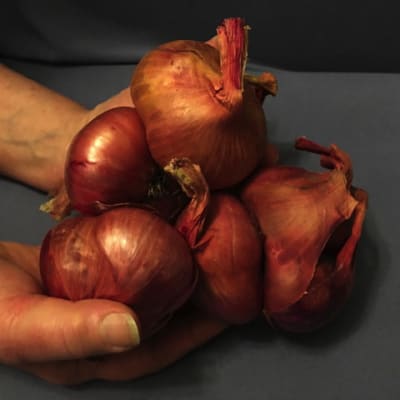
Allium cepa (aggregatum group) Rosy bronze skin. (100 days) Open pollinated. Large rosy bulbs, mostly doubles, store till next year’s crop comes in. Bred from Prisma and has similar great flavor.
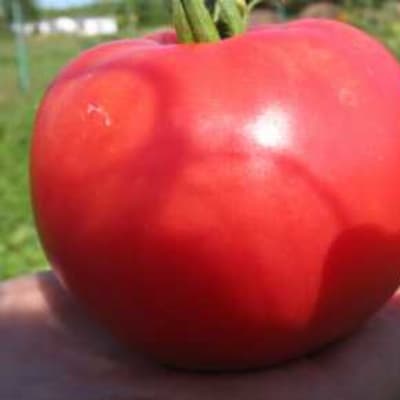
Solanum lycopersicum Pink skin. (80 days) Open pollinated. Pink 5 oz unblemished globes. The Brandywine of continental Europe. Excellent field-to-market variety that doesn't require high tunnels.
Rosa gallica 2-3' × 3-4'. Highly fragrant dark purple-burgundy double 3" blooms in midsummer. Can be dried whole. Less thorny than other roses. Rugged and easy to grow. Z3/4.
Rosa gallica 5×5'. Classic old garden rose with large deep pink strongly aromatic flowers. Jaw-dropping beauty! Petals hold on in bouquets. Robust, hardy, easy to grow. Z4.
Citrullus lanatus Red flesh. (82 days) Open pollinated. Modern classic. Red flesh with few seeds. Round-to-oval 8-12 lb fruit with dark green stripes on light green base.
Zinnia elegans (80 days) Open pollinated. A delicate shade that's rare to find in zinnia mixes. 3" blooms on long sturdy 12" stems. High percentage of doubles.
Rosa 3×3'. Faint lilac-purple blooms are practically white. Semi-double, recurrent and fragrant. Tough, low-growing, salt-tolerant and can handle partial shade. Disease resistant. Z3.
Rosa 3-4' × same. Small lightly fragrant red blooms are fringed like carnations. Very unusual and attractive with a long bloom season, often going until frost. Upright arching yet compact form. Z3.
Rosa alba 5-6' × same. Highly fragrant 3" very double pale pink flowers bloom profusely late June into July. Sometimes more than 200 petals per flower. Z4.
Rosa alba 5-6' × same. Classic alba variety with clusters of white fragrant highly double 2–3" blossoms, sometimes with more than 200 petals per flower! Z4.
Rosa macrantha 3-4' × 6-8'. Clusters of unusual semi-double globular 2" silvery-pink flowers with a peppery fragrance. Rounded mounding habit. Stunning in full bloom! Z3.
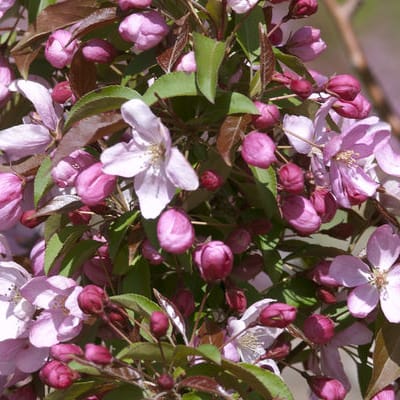
Malus spp. Orange-red skin. One of our favorite “rose” crabs. Small white cup-shaped semi-double flowers with yellow stamens look like miniature roses. Orange-red persistent fruit lasts till spring. Z3.
Rosa rugosa 4-5' × same. Semi-double very large 3-4" magenta flowers with lemony scent. Blooms all summer and into fall. Large orange-red edible hips. Z2.
Rosa rugosa 6-7' × 7-10'. Large clove-scented blooms begin early summer and rebloom in fall. Prolific giant red-orange hips. A productive cultivar for herbalists. Z3.
Rosa 6-7' × same. One of the best climbing or long-caned varieties for colder climates. Vivid velvety deep red-pink semi-double blooms with spicy fragrance. Repeat bloomer. Z3.
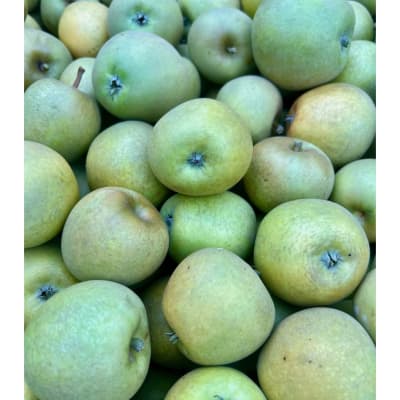
Malus spp. Ornamental flowering crabapple with beautiful rose-like blossoms and bitter green fruit. Very high in tannin. Great for cidermakers! Blooms late. Z4.
Ipomoea batatas Rose skin, orange flesh. (100 days) Superb flavor, luscious texture and a forgiving growing habit. Heavy yields of uniform tubers are easy to harvest.
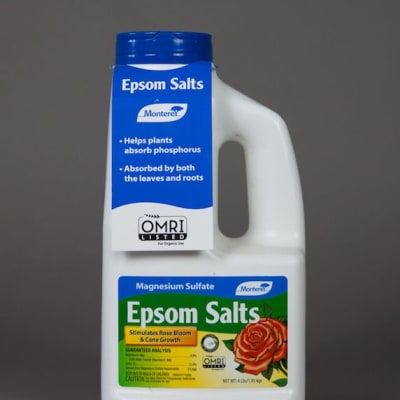
Magnesium is a building block of chlorophyll and therefore essential to efficient photosynthesis. May boost yields significantly, especially for roses and tomatoes.
Beta vulgaris (55 days) Open pollinated. Round rose-gold beet. Zoned white-yellow raw interior cooks to light orange. Short light green tops with gold stems and veins.
Brassica oleracea (capitata group) (75 days) Open pollinated. Distinctive violet-rose color. Small to medium 3-5 lb heads can be up to 7" across on a compact plant.
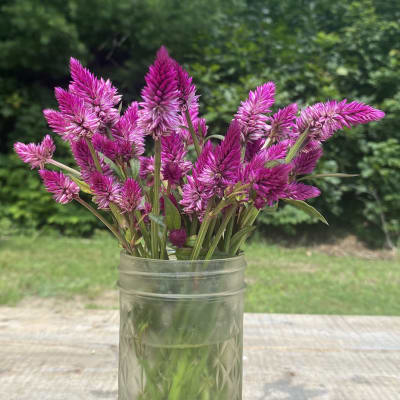
Celosia argentea var. spicata (75 days) Open pollinated. Upright 20-26" tall multi-branched wheat-type celosia produces showy spikes, light pink at the base turning to a deep rose-magenta at the tip. Green foliage starts at ground level.
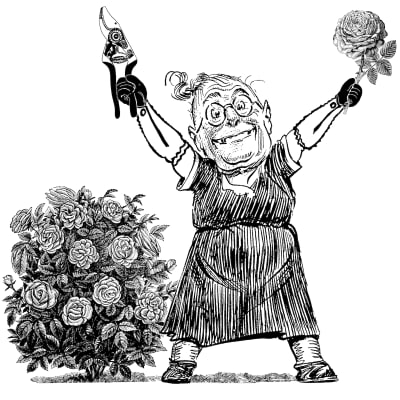
Slipped over your forearms and gloves, the heavy close-woven canvas protects you from the cuts of rose thorns, thistle spines and other prickly peril, without restricting arm motion or circulation.
 Misato Rose Winter Radish - OrganicSeedsnot available yet, check back later