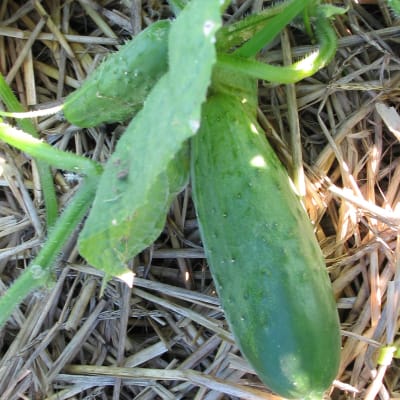
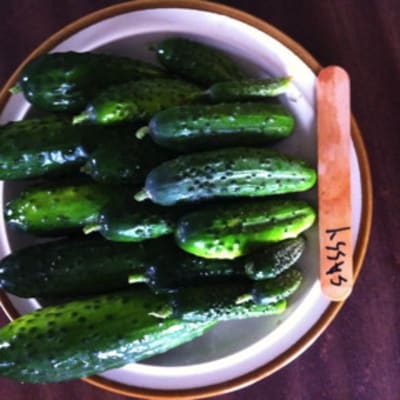
Cucumis sativus (52 days) Open pollinated. Classic pickler. Dark green fruit with black spines. Non-bitter. Used for small pickles and dills. Long harvest window.
Lactuca sativa (52 days) Open pollinated. Large fancy fast-growing light-green butterhead lettuce. Bolts quickly in heat. Recommended for fall or overwintering where climate permits.
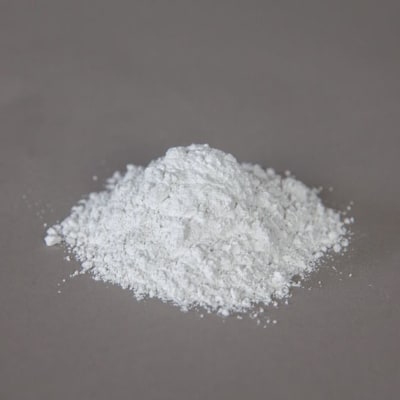
Silicon is linked to improved yields, especially recommended for cannabis, orchard crops, cucurbits, sweet corn, grains and forage crops. Also helps build resistance to powdery mildew.
A soil science book for everyone! Filled with farmer anecdotes, insightful reference charts, and illustrations, this book is both engrossing and practical for anyone who works with soil.
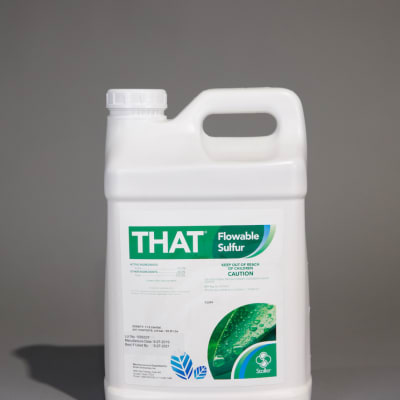
Easier to use in sprays and suspensions than micronized sulfur. Two to four well-timed applications can be effective on apple scab when combined with good orchard sanitation practices.
Recommended by soil gurus Phil Callahan and Mark Fulford. Lowest concentration of heavy metals of any phosphate source. Concentrations of available phosphate were regularly over 6% when tested.
Malus spp.This is a twig for grafting. Winter, deep purple skin. Uniquely dark fruit with well-balanced flavor. Excellent pies and cider. Maine heirloom. Best eating late Dec. to March. Great keeper. Z4.
Malus spp.This is a twig for grafting. Late fall, russeted brown skin. Distinctly bumpy rough texture. Highly flavored. Excellent dessert apple for the connoisseur. Z4.
Filled with clear how-to and how-not-to instructions, along with useful illustrations and laugh-out-loud humor, Turnbull walks through the basics and delves into specifics for more than 150 plants.
A gift to a world disoriented by ecological collapse and haunted by the question of what to do, Eisenstein’s book gets to the heart of the predicament of how to heal our planetary wounds.
Brassica oleracea (capitata group) (62 days) Open pollinated. Classic early round 3-5 lb grey-green compact heads on short stems. Excellent flavor. Not long standing.
Picea abies 80-100'. Fast-growing wide-spreading upright picturesque tree with graceful long pendulous branches that often reach the ground. Showy cones. Z2.
Pennisetum glaucum (120 days) Open pollinated. Ornamental grass with deep-purple foliage and large purple seed spikes. Popular in arrangements. 4-5' tall.
Pennisetum glaucum (120 days) Open pollinated. Ornamental grass with deep-purple foliage and large purple seed spikes. Popular in arrangements. 3-5' tall.
Brassica oleracea (acephala group) (60 days) F-1 hybrid. Tall plants with ruffled red leaves; color intensifies in cool weather. Very cold hardy ornamental edible.
Lactuca sativa (44 days baby, 63 days mature) Open pollinated. From England. Compact Winter Density-type mini-romaine with very deep purple-red leaves. Very cold tolerant, decent heat tolerance.
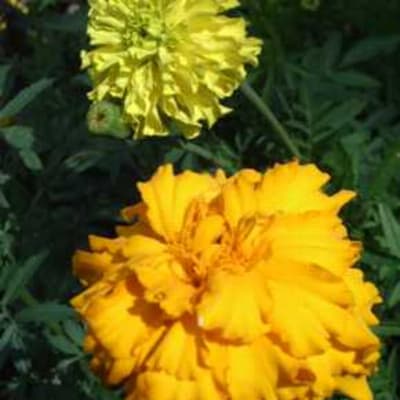
Tagetes erecta (60 days) F-1 hybrid. Fully double 4" pompon blooms in gold, orange and yellow. Perfect for stringing into garlands. Early to bloom, 18" tall.
Tagetes tenuifolia (68 days) Open pollinated. Bears tiny abundant “gems” in shades of crimson, burnt orange and yellow. Excellent for containers and companion planting. Edible flowers. 12–15" tall.
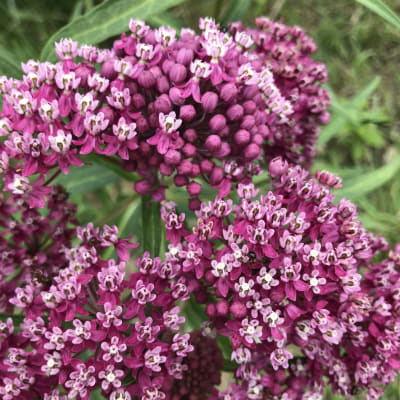
Asclepias syriaca Open pollinated. Perennial to Zone 4. These 5' tall showy native wildflowers are an important member of the wild habitat. Buds open to large balls of sweetly fragrant pink flowers.
Ipomoea purpurea (70 days) Open pollinated. Climbs to at least 8-9' with trellising, rich deep purple bloom with a glowing magenta center and dark 5-pointed star pattern.
Ipomoea purpurea (50 days) Open pollinated. Rich deep purple flowers vibrate against lush green foliage. Starts blooming while it is only 2' tall and still vining.
Convolvulus tricolor (50 days) Open pollinated. Each trumpet appears hand painted, with royal blue exteriors and iridescent white-to-gold centers. Eye-catching in beds, borders and pots. 18" tall bushes are covered in blooms all summer.