This design was featured on some staff-only apparel recently, and it was so well-loved that we decided to release it to the wider world on these 100% certified-organic cotton shirts.
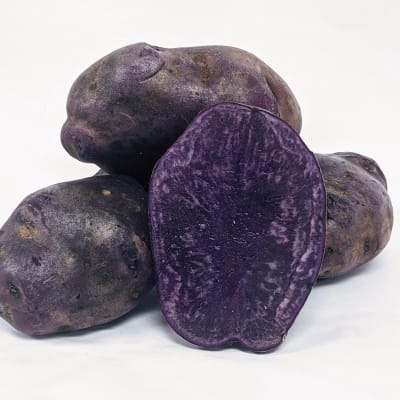
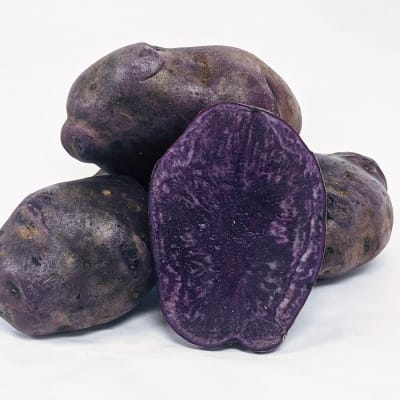
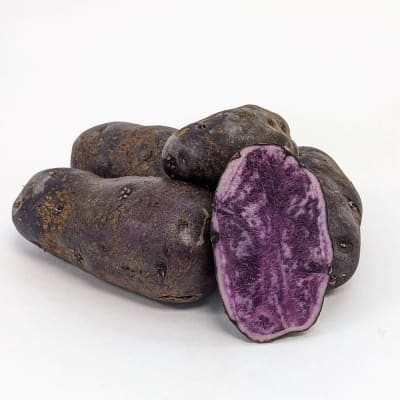
Solanum tuberosum Mid-season, blue skin, blue flesh. Maintains its purple color after boiling, roasting or frying. This spud is packed with powerful antioxidants.
Solanum tuberosum Mid-season, blue skin, blue flesh. Maintains its color after boiling, roasting or frying. This spud is packed with anthocyanins, powerful antioxidants that can lower risks of heart and neurological diseases.
Solanum tuberosum Early to mid-season, blue skin, yellow flesh. Round sapphire exterior creates a striking contrast with stunning gold flesh. High yielding. Also known as Peter Wilcox.
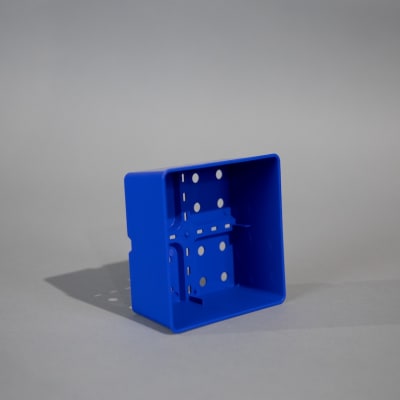
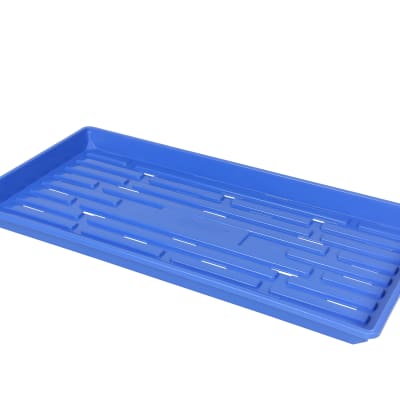
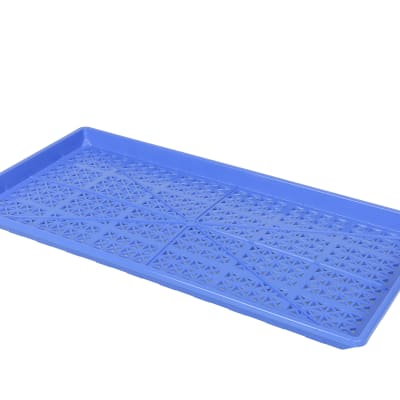
Strong injection-molded dishwasher-safe trays with drain holes for efficient production of high-quality microgreens, wheatgrass or specialty seedlings. Eight fit neatly in a standard 1020 flat.
Sturdy shallow-rimmed injection-molded bottom trays with 1" of usable depth are a must-have for growing microgreens, and great support for pots and plug flats.
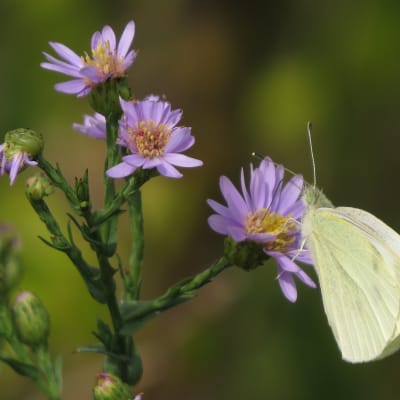
Symphyotrichum laeve 3-4' tall. North American native has Loose clusters of lavender-blue blossoms with yellow eyes. Smooth blue-green foliage. Attractive to pollinators in late season. Z3.
Picea pungens var. glauca 30-60'. Very popular specimen tree with frosty blue needles. Excellent for privacy screens, as it is fast growing after 3'. Native to western U.S. Z2.
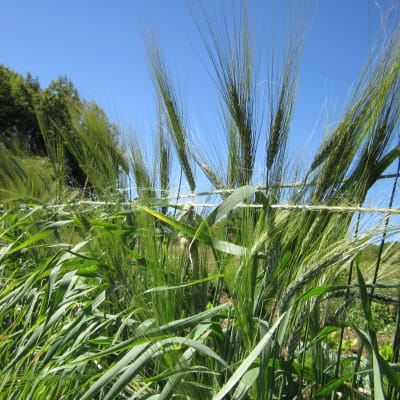
Triticum durum Open pollinated. Too beautiful to eat! Used for wheat weaving and flower arrangements. Four rows with blue-grey husks and long black awns. Sow in April, reap in Sept.
Hosta Very large oval blue-green leaves, up to 16" long and 12" wide! Pale lavender flowers bloom midsummer. Foliage develops best blue color in light shade. Z3.
Iris versicolor 30-36" tall. Northeastern native species with gorgeous blue-violet flowers with bold purple veining and a white and lemon-yellow blaze. Early. Z2.
Brassica oleracea (acephala group) (30 days baby, 56 days mature) Open pollinated. The most commonly grown kale. Dense finely curled blue-green leaves on upright hardy plants. Best as a fall crop, planted July or August.
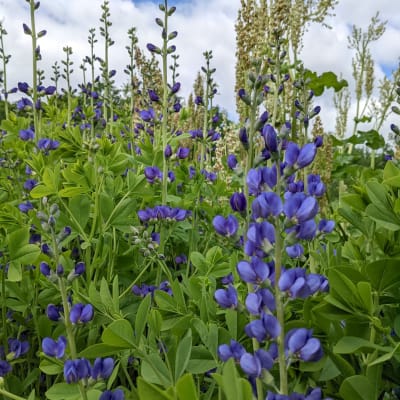
Baptisia australis 3-4' x same. Vibrant blue lupine-like flowers in early summer. Bushy habit and shrub-like structure once mature. Good for erosion control. Z3.
Cerinthe major var. purpurescens Open pollinated. Annual. Features coin-shaped grey-green foliage and profuse blue shrimp-like bracts with purple flowers. Beloved by bumblebees. 12-30" tall.
Echinops ritro 3–4' tall. Luminous steel-blue spiky spheres on stiff stems with silvery green leaves. Excellent for fresh or dried arrangements. Blooms mid-to-late summer. Z3.
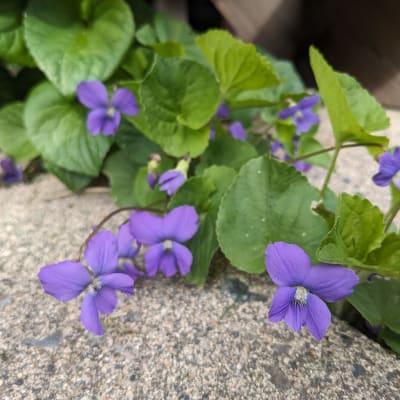
Viola sororia 6-10" tall. North American native with cheery blue-purple flowers and attractive heart-shaped leaves, all edible. Larval host plant for multiple species of butterflies. Z3.
Salvia azurea 3-5' tall. North American native with delicate spires of sky-blue tubular double-lipped flowers and sweetly scented foliage. Incredible in mixed bouquets. Blooms from August to October. Z4.
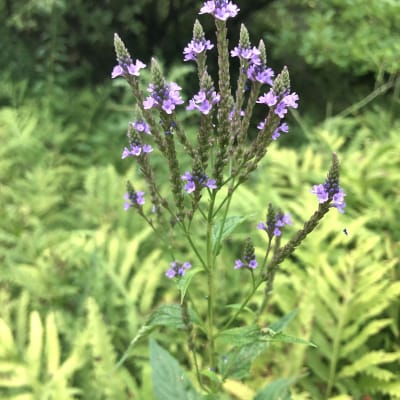
Verbena hastata Open pollinated. Perennial. 5-6' plant grows naturally in moist thickets and meadows does well in similar garden conditions, sending up many terminal spikes of bristly blue-violet flower clusters the entire season.
Verbena hastata 5-7' tall. Elegant tall branching spikes of vibrant blue-purple flowers. Attractive to pollinators. Used as a nervous-system tonic and mild sedative. Full sun. Native to North America. Z3.
Salix purpurea ‘Nana’ 3-5' x 3-6'. Medium-sized spreading shrub with small narrow blue leaves and delicate thin long stems. Excellent bank or hedge plant. Attractive ornamental. Z3.
Cucurbita maxima Slate blue skin. (95 days) Open pollinated. Classic small hubbard. 4-5 lb version of the much larger Blue Hubbard. Compact growth habit.
Cucurbita maxima Dark blue-tinted brown skin. (95 days) Open pollinated. 4–6 lb subtly ribbed, slightly flattened 6x5" fruits ripen to buff chestnut-brown with a blue sheen. Flesh is moist but not watery. Great keeper.
Malus spp. Fall-winter, russeted purplish red skin. Medium to very large apple has a good balance of sweet and tart with hints of pear. All-purpose. Keeps until midwinter. Z4.
Malus spp.This is a twig for grafting. Fall-winter, russeted purplish red skin. Medium to very large apple has a good balance of sweet and tart with hints of pear. All-purpose. Keeps until midwinter. Z4.
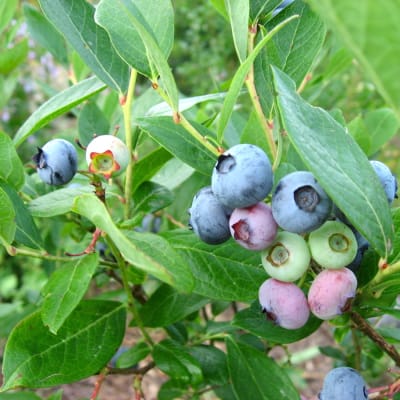
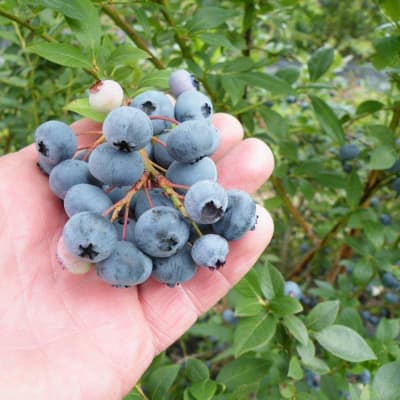
Vaccinium corymbosum Early-Mid. 5-7'. One of the best blueberries for eating, freezing, canning and preserving. Loose clusters are easy to harvest. Productive bush is vigorous and upright. Disease resistant. Z4.
Vaccinium corymbosum Early-Midseason. 4-6' Large firm high dessert quality berries are considered the best-tasting by nearly everyone who grows highbush blueberries. Very vigorous and consistently productive. Z4.
Vaccinium corymbosum Early. 4-6'. Medium-large light blue firm fruit with excellent sweet flavor. Flavor holds up better than other varieties in the freezer. Vigorous upright high-yielding bush. Z4.
Vaccinium corymbosum Mid. 6-8' × 5'. High-quality medium light blue berries are firm, sweet and low in acidity. High yielding. Upright bush has shown some tolerance to clay soils. Z5.
Rubber strips are more suitable for large grafts and supply more even pressure across the entire grafted area than grafting tape does. Slower to break down than Parafilm. Natural rubber formulation.
Campanula carpatica Open pollinated. Perennial. Also known as Bellflower or Carpathian Harebell. Masses of dark periwinkle bellflowers above a tidy mound of foliage. Pelleted for ease of sowing.