A great boost for transplants, potted plants and garden soils. Improves soil structure, provides a generous dose of slowly released nutrients and enhances microbial activity.
NPK: 3-3.5-3.5 avg. plus sulfur. With 3G Greener Garlic Grower, you can expect better spring emergence, more vigorous plants, bigger bulbs and richer flavor. Blended in-house.
A blend of granite meal, sulfur, Tennessee brown rock phosphate, compost and Azomite. Reduces soil pH and provides the nutrients necessary for healthy blueberry plants and good fruit.
This fertilizer and amendment mix includes all the goods contained in our well-loved CannaLot MegaSoil, minus the compost and potting soil. Great for plants grown in the ground, and cheaper to ship!
For a deluxe tree planting spot, choose this mix! Contains a broad spectrum of macro and micronutrients and soil conditioners that fruit trees thrive on. Follow our directions for use in the fall.
A balanced fertilizer to keep your bearing fruit trees healthy and productive. If your tree put on 4" or less of terminal growth last year, our Fruition Mix will put new spring in its step!
Recommended for fruit trees at planting time. Our own well-balanced blend of Tennessee brown phosphate, alfalfa meal, Azomite, and K-Mag in a humus-rich base of worm castings.
NPK: 2.3-6.6-7. Our exclusive mix will help you grow mighty spears of asparagus. Formulated to meet Penn State Extension’s recommendations for the annual fertilization of asparagus beds.
NPK: 2.5-6-3. Show your flowers you appreciate them by treating them to dinner now and then. This mix is formulated to feed both soil and plant to encourage healthy foliage and lush, colorful blooms.
NPK: 4-4-0 avg. 18% Ca avg. A macronutrient-rich byproduct of crab processing. Will help you grow massive specimens of field-grown cannabis. Improves lodging resistance and reduces branch breakage.
Vaccinium vitis-idaea 12-18". Very adaptable with large berries. Somewhat lower yielding but standard in commercial production as a great pollinator. May bloom twice a season. Z2.
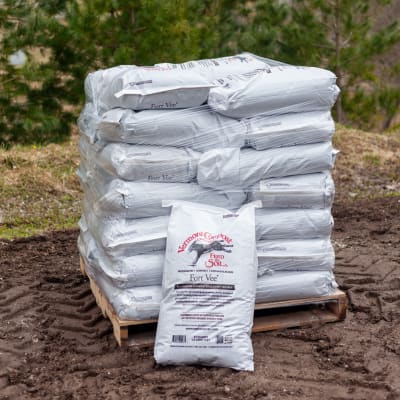
Recommended for cell-tray seedlings, but not for soil-blocking. Warms more quickly and drains better than Fort Vee, but might need additional fertilizing prior to transplanting.
Widely used by growers who make soil blocks. Has good water retention and a long-lasting nutrient supply from the high proportion of compost in the mix. Highly recommended for slow-growing seedlings.
Sick and tired of poor yields from your container-grown cannabis or hemp? Ahoy, matey, this flowering and fruiting mix is for you! Also great for tomatoes and other vegetables, flowers or houseplants.
Great for filling their raised beds or large containers Coarser than potting mixes, and formulated as a complete soil for organic cultivation of woody plants, shrubs, herbs, vegetables and flowers.
For the times when those little bags just won't cut it, Vermont Compost blends are available in 2 cubic yard totes, perfect for larger gardens and growing operations. Choose from a variety of blends.
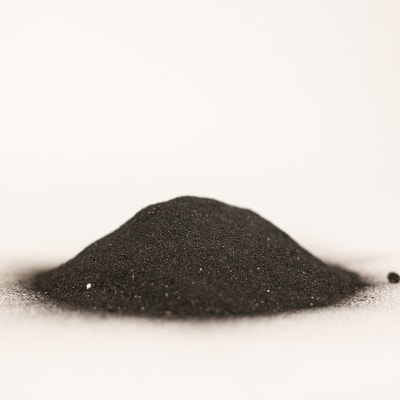
Biochar helps your soil sequester more carbon and emit less nitrous oxide. Also provides a dream home for beneficial bacteria and fungi, while preventing essential nutrients from leaching away.
This top-quality compost has strong nitrogen levels and sky-high organic matter. Use as a top-dressing, mix into garden soil, or apply around the trees. Made in Sidney, Maine.
Formulated to build humus, enhance CEC, and condition the soil in which the ancient roots reside, whether they be abandoned heirlooms or wild seedlings. Can be applied in fall or spring.
Spread this blend of granite, zeolites, gypsum, micronutrients and humates in that fall, and it will improve soil structure, remineralize, and enhance nutrient availability for the next spring!
NPK: 3-4-6.1 By popular demand! A Fedco Blend formulated to meet the needs of field-grown (outdoor) fruiting Solanaceous crops: tomatoes, peppers, eggplants and tomatillos.
NPK: 3.4-2.2-3.5. An excellent all-purpose fertilizer for those who prefer to avoid animal products. Great for flower bulbs because it won’t attract critters.
NPK: 0-16-0. Provides large amounts of readily available phosphorus. A most economical source of P for deficient soils. May be applied without restrictions to organically certified fields.
NPK: 5-4-3 (with 9% Ca). Composted and processed poultry litter provides a good balance of major plant nutrients and other essential elements. Pasteurized to neutralize weed seeds and pathogens.
NPK: 2-2-2. 16% Chitin. Nourishes chitin-feeding bacteria and fungi, which in turn devour gnat eggs and root-feeding nematodes. Also fortifies plants’ cell walls, and fosters healthy blooms.
NPK: 0.5-0.5-0.3 apx, plus trace minerals. Worm castings limit plant disease and have beneficial effects including enhanced mycorrhizal activity and the suppression of parasitic nematodes.
Malus spp.This is a twig for grafting. Winter, golden skin, white flesh. Medium-to-large dessert apple is hard, very crisp, juicy, tart. Keeps till May. Highly disease-resistant. Blooms midseason to late. Z4.
Malus spp. Fall, russeted green skin, creamy white flesh. Excellent bittersweet for blending in hard cider. Juicy firm quite bitter very astringent flesh has a very high sugar content. Rare. Z4.
Perilla frutescens var. crispa (85 days) Open pollinated. Japanese heirloom. Ornamental and edible purplish-red anise-scented leaves. Used in sushi, sauces, garnishes, pickles, stir-fries, and to color umeboshi plums red.
Eschscholzia californica (60 days) Open pollinated. Cheery cup-shaped silky blooms range from light orange to deep rust, opening their faces to the sun each morning and closing up again at night.
Rubus spp. Late. One of the most popular raspberries among home gardeners for being nearly thornless and for ripening late in the season. Stores well in the freezer. Highly vigorous sturdy canes. Z4.
Aronia arbutifolia 6-8' x 3-4'. Upright multi-stemmed form with dense clusters of small white flowers. Abundant persistent bright red fruit. Brilliant fall foliage. Z3/4.
Lactuca sativa Open pollinated. Refined, fancy, pricy and rare lettuces, all suitable for cut-and-come-again culture. Contrasting colors and leaf forms and all organic!
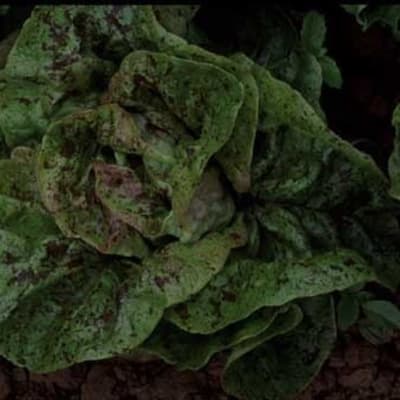
Lactuca sativa (55 days) Open pollinated. Heirloom. Very attractive bibb lettuce has apple-green leaves splashed with maroon-red flecks. Selected for resistance to tip burn.