Agricultural Sulfur. Use to make soil pH more acidic. Often helpful for both lowbush and highbush blueberries, and for potatoes. Lowering the pH of gravel paths will help control weed growth.
NPK: 4.6-0.9-1.3 avg. A favorite of earthworms and other beneficial soil organisms, and inhibits the growth of some notorious pathogenic soil microbes. Beloved by hemp and cannabis growers.
Malus spp. Winter, red skin, yellowish flesh. Large crisp juicy fruit. Excellent for fresh eating, cooking, and hard cider. Keeps till spring. Biennial bearer. Z4.
Malus spp.This is a twig for grafting. Winter, red skin, yellowish flesh. Large crisp juicy fruit. Excellent for fresh eating, cooking, and hard cider. Keeps till spring. Biennial bearer. Z4.
Malus spp.This is a twig for grafting. Late summer, pinky-red-striped skin. Distinctive strawberry shape! Tender, aromatic flesh. Great for cooking and eating fresh. Blooms midseason. Z4.
Malus spp. Fall-winter, pinky-red washed skin, pale yellow flesh. All-purpose. Relatively tart, great for pies, sauce and pizza! Very nice fresh too. Good keeper. Z4.
Malus spp.This is a twig for grafting. Winter, golden skin, white flesh. Medium-to-large dessert apple is hard, very crisp, juicy, tart. Keeps till May. Highly disease-resistant. Blooms midseason to late. Z4.
Malus spp.This is a twig for grafting. Fall, orange-blushed skin, yellow flesh. A popular variety in Germany. Firm, juicy, aromatic flesh with hints of tropical flavor. Makes a pleasant orange-colored juice. Z4.
Malus spp. Multi-colored skin. Be the proud keeper of a sister tree to one of many rare varieties planted at the Maine Heritage Orchard. $30 from the sale supports the project.
Malus spp.This is a twig for grafting. Fall, russeted green-yellow skin. Medium-small russet fruit with a longtime reputation as one of the very best dessert apples. Superb fresh eating. Keeps fairly well, still crunchy in January. Z3.
Malus spp. Fall-winter, green skin, light yellow-green flesh. Large, crisp and tart. Classic New England cooking apple; also great fresh eating. Keeps well into winter. Z4.
Malus spp. Summer, deep purplish red skin, red-stained cream flesh. Nice balance of tart and sweet. Crisp and juicy fresh eating; fine cooking. Disease resistant; scab immune. Z4.
Malus spp.This is a twig for grafting. Summer, deep purplish red skin, red-stained cream flesh. Nice balance of tart and sweet. Crisp and juicy fresh-eating; fine cooking. Disease-resistant; scab immune. Z4.
Brassica rapa (37 days) Open pollinated. Produces many pencil-thick deep purple flowering shoots with pleasing mild mustard flavor. Grows best in cool weather.
Brassica rapa (pekinensis group) (35 days) Open pollinated. Loose round chartreuse leaves, flat white stems, and blossoms, all edible. Can be cut small for mesclun. Fair bolt tolerance.
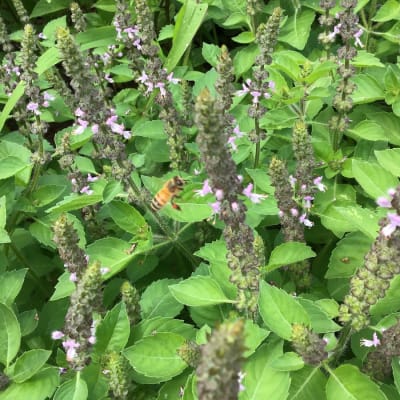
Ocimum africanum (100 days) Open pollinated. A superior strain of Tulsi or Sacred basil, with a more compact growth habit and more pungent sweet flavor.
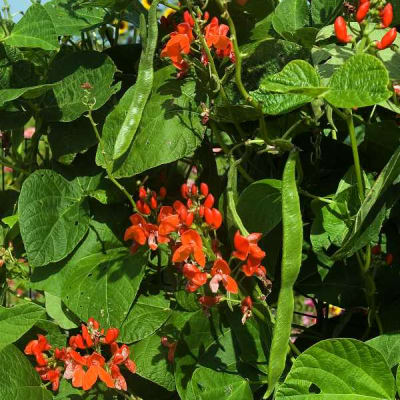
Phaseolus coccineus (70 days snap, 95 days shell) Open pollinated. 10-12' tall. Mottled black and purple seeds. Ornamental brilliant scarlet blossoms. Snap or shell bean.
Customers loved this Alphonse Mucha-inspired design on our tote bag so much, we put it on a 100% certified-organic cotton shirt! This light green tee is fitted for a body-skimming effect.
Customers loved this Alphonse Mucha-inspired design on our tote bag so much, we put it on a 100% certified-organic cotton shirt! This forest green tee is straight-cut, for a boxier fit.
Melothria scabra (65 days) Open pollinated. Vigorous but delicate climbing vine. Profuse bearing of 1" oblong green and white fruits. Eat fresh or pickled.
Hordeum vulgare Annual spring grain. Truly hulless variety, which makes for quick, easy, low-tech processing. Fast-growing, and competes well with weeds. Tolerates drought and heavy soils.
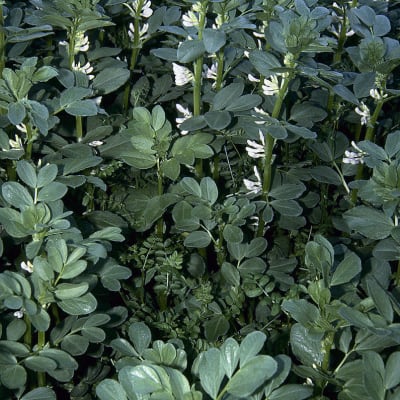
Vicia faba Annual or winter annual legume. Great for fixing nitrogen, and building large amounts of biomass. Bell beans will happily sprout in half-frozen soil, and tolerate a wide range of soil conditions.
Phleum pratense Perennial grass. A popular perennial hay species that produces good yields, resists lodging and is easily cut and cured. Very winter hardy. Does not tolerate heat or drought.
This mix offers organic matter production, nitrogen fixation, nutrient scavenging, erosion control, and weed suppression. Perfect for no-till growers and gardeners who work with hand tools only.
A superior soil-building cover crop mix. The oats come up first and are pulled down by the peas, which are then pulled down by the smothering vetch. Weeds don’t stand a chance in that jungle!
Avena sativa Annual grass. A solid all-purpose oat. Generates biomass and smothers weeds. Tolerates bad weather and soil conditions. Excellent feed for cows and horses.
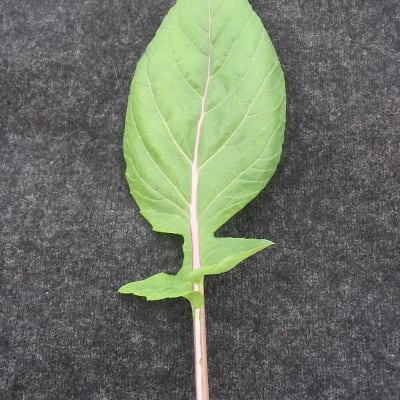
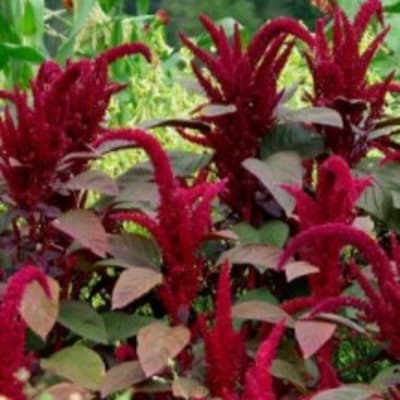
Amaranthus hybridus (65 days to flower, 125 days to seed) Open pollinated. Is it a green vegetable? An ornamental? A gluten-free grain? Why, yes! No wonder Amaranth was sacred in pre-Columbian Mexico.
Triticum aestivum Open pollinated. Extremely cold hardy hard red wheat good for small spaces and well adapted to New England. Flour has great flavor and texture, and sturdy plants make great straw.
Open pollinated. Two packets: one mixed lettuces, one mixed greens. Plant lettuces first, then greens for fabulous salad mixes. Cut then water, and they grow again.
Rumex acetosa (60 days) Open pollinated. Thick sword-shaped lemony-flavored leaves picked when young and tender. A special treat in early spring. Perennial hardy to Z3.
Lactuca sativa (42 days) Open pollinated. Popular heirloom. Early looseleaf lettuce, 16" in diameter. Large crumpled juicy light-green leaves. Will not stand heat.
Asclepias syriaca Open pollinated. Perennial to Zone 4. These 5' tall showy native wildflowers are an important member of the wild habitat. Buds open to large balls of sweetly fragrant pink flowers.