Ready for a lasting solution for deer and other critters? This premium fence will do the job for at least 15 years! UV-resistant polypropylene mesh fence is recyclable, strong, and lightweight.
Use as temporary fencing to protect plantings and fruit crops from deer, birds and other pests. Strong and durable black polypropylene ⅝" mesh with UV inhibitors. Available in two sizes.
A mixture of rotten eggs and essential oils deters deer by taste and smell. Dries clear and odor free (to human noses) and will not wash off in the rain. Lasts up to 30 days.
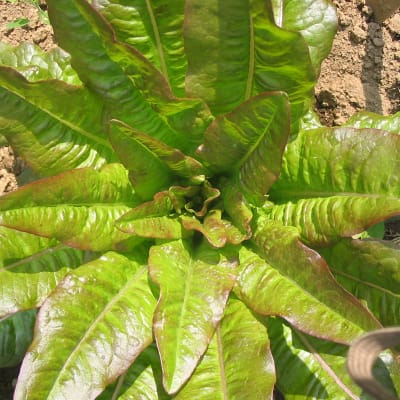
Lactuca sativa (50 days) Open pollinated. Rare. Starlike rosettes of glossy deer tongue-type leaves are tinged burgundy-red. Nutty texture and bitter-free. Very bolt resistant.
NPK: 13-0-0. One of the fastest release times of all organic nitrogen sources. Highly recommended for corn. The smell (understandably) freaks out deer. Use as a side-dressing or till into soil.
Ultra-durable UV-resistant mesh row cover. Excludes most pests, even those as small as flea beetles and aphids, but not fine enough to exclude thrips. Also protects against birds, rabbits, even deer.
Malus spp.This is a twig for grafting. Winter, yellow skin, white flesh. Old Hudson Valley apple, late 1700s. Dense and tart off the tree, sweetening in storage. Good keeper. Z4.
Perilla frutescens var. crispa (85 days) Open pollinated. Japanese heirloom. Ornamental and edible purplish-red anise-scented leaves. Used in sushi, sauces, garnishes, pickles, stir-fries, and to color umeboshi plums red.
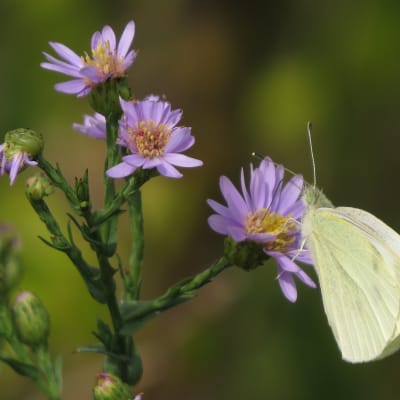
Symphyotrichum novae-angliae 4-6' tall. North American native. Blooms range from blue-purple to lavender-pink with yellow eyes. Attractive to pollinators. Z3.
Symphyotrichum laeve 3-4' tall. North American native has Loose clusters of lavender-blue blossoms with yellow eyes. Smooth blue-green foliage. Attractive to pollinators in late season. Z3.
These mesh ankle guards have a stretch knit band at the ankle and elastic band at the calf to keep mosquitoes and flies off your socks and legs. A nontoxic and affordable layer of protection.
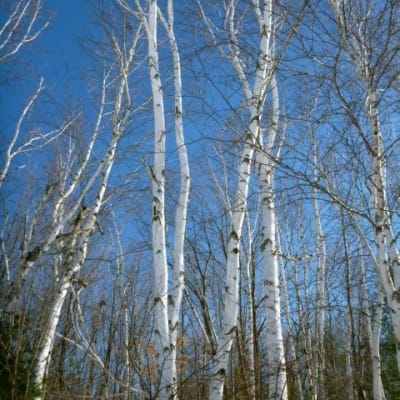
Thuja occidentalis 20-60'. Narrow and tall with twiggy branches, soft fibrous orange-brown bark, and distinct flat foliage. Good for screens and hedges. Z2.
Gaillardia pulchella Open pollinated. Daisy-type flowers in reds, yellow, rust and orange with a prominent colored center. Free flowering, low maintenance and easy to grow. Attracts butterflies. Good cutflower.
Lactuca sativa (55 days) Open pollinated. Dense oakheart heads range from mini to full to elf-eared. Variations in this gene pool range from deepest solid red to the heart, red spotting, speckling and blushing, to spotless green.
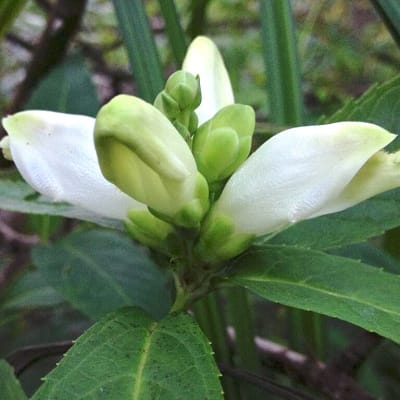
Chelone glabra 2–4' tall. Native wildflower blooms late along with the asters. A final feast for the bumblebees. Prefers moist soil, dappled light. Z4.
Pycnanthemum virginianum 24-36" tall. Makes a tasty minty tea traditionally used to settle indigestion. Spreads readily. Densely flowered, attractive to pollinators. Native. Z4.
Widely known to effectively repel burrowing mammals like moles, voles, gophers, rabbits, ground squirrels and armadillos. Much cheaper and more versatile than granular castor oil products.
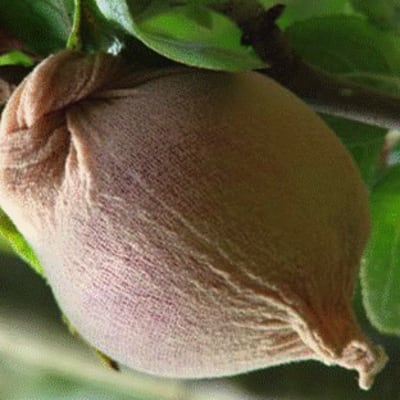
Stretchable nylon sleeves prevent damage to tree fruits from apple maggots, codling moths and plum curculio. Heavy weave and reinforced seam. Reusable and made in the USA.
Salvia azurea 3-5' tall. North American native with delicate spires of sky-blue tubular double-lipped flowers and sweetly scented foliage. Incredible in mixed bouquets. Blooms from August to October. Z4.
Salvia splendens (70-85 days) Open pollinated. Glowing red tubular flowers grow along spikes on a big bushy low-maintenance shrub-like plant. Pollinators love them. 24" tall.
Zinnia haageana Open pollinated. Small Mexican-style haageana zinnias in a mix of pink, orange, carmine and burgundy-red blooms tipped yellow to carmine.
Fine-knit stretchy polyester shell lined with thick acrylic fleece to keep fingers warm and protected in harsh gardening conditions. Latex-dipped palm and fingers for water resistance and grip.