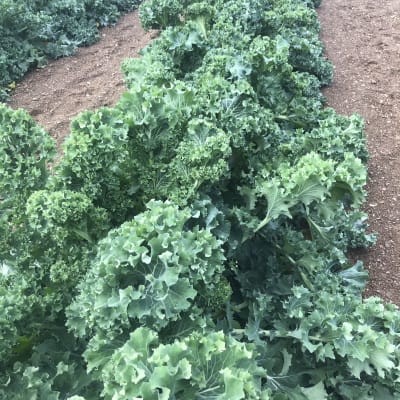
Brassica oleracea (acephala group) (65 days) F-1 hybrid. Crinkly and very curly, of the Dutch borecole type. Upright uniform productive plants hold well in the field in all weather conditions and continue to grow.
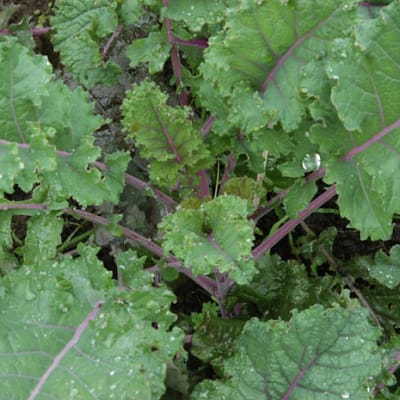
Brassica oleracea (acephala group) (61 days) Open pollinated. Lacinato crossed with Redbor. Curly edges, red veins, purple or blue-green leaves, diverse shapes and colors. Productive and cold-hardy.
Brassica oleracea (acephala group) (60 days) F-1 hybrid. Tall plants with ruffled red leaves; color intensifies in cool weather. Very cold hardy ornamental edible.
Brassica oleracea (acephala group) (65 days) F-1 hybrid. Crinkly and very curly, of the Dutch borecole type. Upright uniform productive plants hold well in the field in all weather conditions and continue to grow.
Brassica oleracea (acephala group) (30 days baby, 56 days mature) Open pollinated. The most commonly grown kale. Dense finely curled blue-green leaves on upright hardy plants. Best as a fall crop, planted July or August.
Brassica napus (pabularia group) (55 days) Open pollinated. Cold hardy 18-28" purple and red-veined kale leaves grow frilly while remaining very tender. Good for bunches and mesclun mixes.
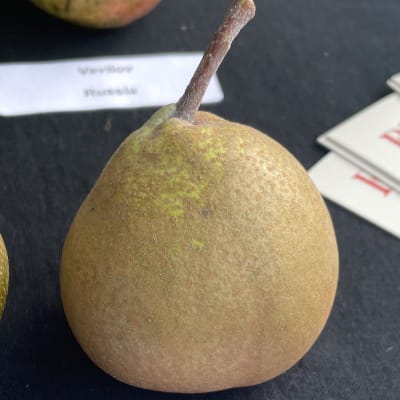
Pyrus communis Winter, russeted yellow skin. Great storage pear with fantastic flavor. One of our favorites! Highly attractive fruit shines and glows. High yielding. Z4.
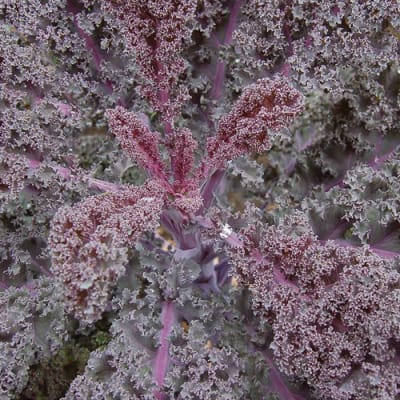
Brassica oleracea (acephala group) (30 days baby, 55 days mature) Open pollinated. Frilly purple leaves suitable for baby leaf or bunching. Similar to Redbor leaf shape and color.
Brassica oleracea (acephala group) (60 days) Open pollinated. Vigorous upright lacinato-leaved kale in a range of bluish-green shades, all with a dramatic pink mid-rib.