Controller thermostat to be used with Agritape heat mats. Each controller has a flexible 3' tube with a temperature-sensor bulb to insert into the potting soil. Heat mat sold separately
Digital thermostatic device allows growers to select and maintain optimal temperatures (setting range: 68–108°) for germinating seeds or rooting cuttings. Works with most 120V heat mats.
Provides extremely uniform precise temperature over its entire surface. Makes the difference between success and failure when starting crops of tropical ancestry. Controller sold separately.
Warm the root zone for seedling success! The patented double-layer construction is tough, waterproof and easy to clean. Can be used with or without a controller. Fits four standard 1020 trays.
Warm the root zone for seedling success! The patented double-layer construction is tough, waterproof and easy to clean. Can be used with or without a controller. Fits two standard 1020 trays.
Warm the root zone for seedling success! The patented double-layer construction is tough, waterproof and easy to clean. Can be used with or without a controller. Fits one standard 1020 tray.
All the performance and safety features of SUNPACK’s standard heat mats, but with more power, larger size, linkability, and submersibility! Each 150W mat can accommodate five 1020 trays.
Extend the capacity of your SunPad pro setup! These add-on mats each hold five standard 1020 trays and can be daisy-chained from the Master Mat for up to 5 linked mats.
Want to grow your own seedlings but don’t know where to start? This kit is for you! Contains potting soil, cell trays, domes, labels, and extra-thorough instructions to help you succeed.
Morus alba × M. rubraThese are hardwood cuttings for propagation using rooting hormone. One of the most renowned mulberry varieties. Self-fruitful cultivar, so only one plant is required for fruit. Z4/5.
Makes 20 micro-blocks per stroke in a 3x4" area. Micro-blocks are easier to warm, speeding germination. Can be inserted into 2" soil blocks to continue seedling growth.
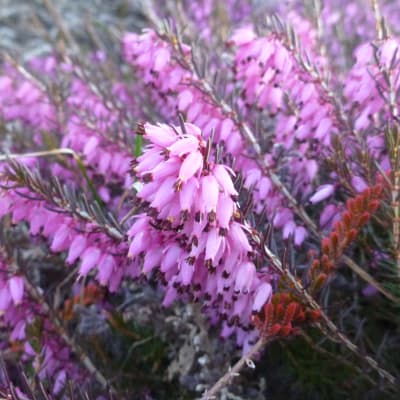
Erica carnea 6-8" x 18" Profuse blooms very early spring through April with repeat blooms in August. Mounded mat-like creeping growth habit. Low maintenance! Z4.
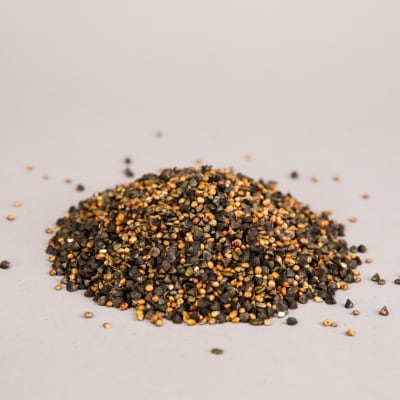
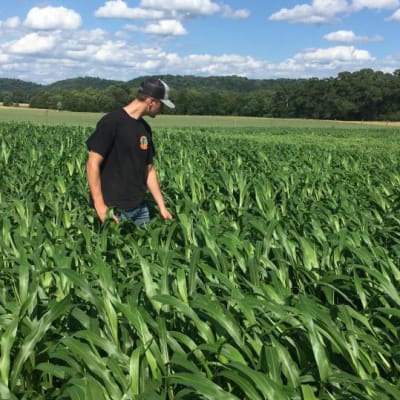
A cover crop blend of 40% buckwheat, 40% BMR sorghum/sudangrass, and 20% Sunn Hemp for nitrogen fixation. Loves heat. First-rate smother crop and biomass builder formulated to reliably winter-kill.
Brassica juncea (20 days baby, 40 days mature) Open pollinated. Light golden-green leaves are curled and lacy, adds lift to salad mixes. Mustardy zing. Resists bolting in heat.
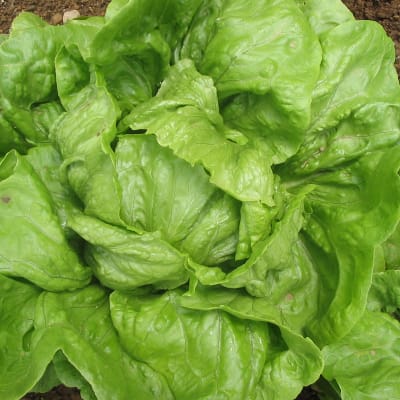
Lactuca sativa (52 days) Open pollinated. Large fancy fast-growing light-green butterhead lettuce. Bolts quickly in heat. Recommended for fall or overwintering where climate permits.
NPK: 2-5-0.2. Fish heads, bones, skin and guts finely ground and then enzymatically digested. Can be used as foliar feed. Made from wild fish scraps from the fishing industry along the Great Lakes.
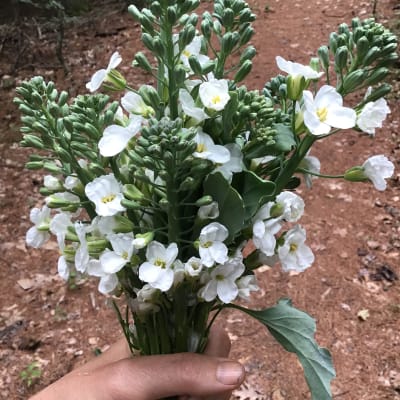
Brassica oleracea (45-60 days) F-1 hybrid. Also called Chinese Broccoli. Grown for succulent stems, leaves and florets. Uses and flavor similar to broccoli. Tolerant to heat and cold.
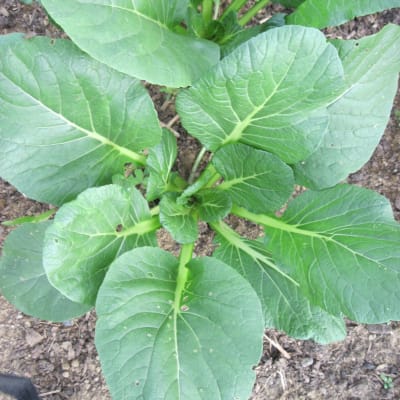
Brassica rapa (narinosa group) (21 days baby, 45 days mature) F-1 hybrid. Mild deep green tender leaves used raw or cooked. Good season extender. Excellent tolerance to heat, cold. Cut-and-come-again.
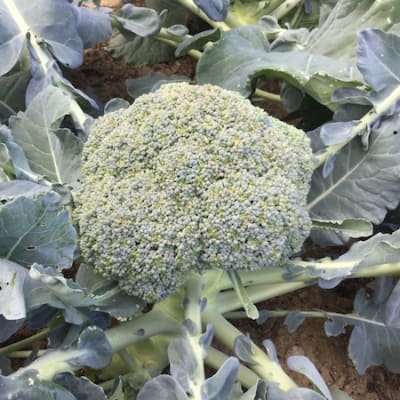
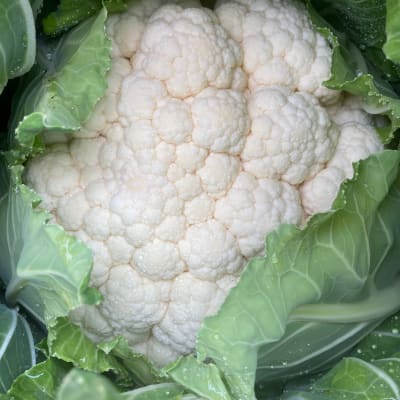
Brassica oleracea (botrytis group) (75 days) F-1 hybrid. Dark green large heads with medium-fine bead. Heat-tolerant in spring and summer, also good for fall harvests.
Brassica oleracea (botrytis group) (68 days) F-1 hybrid. Pastel orange uniform heads of dense curds on sturdy plants. Highly adaptable; consistently performs well in a range of conditions, including heat stress.
Sorghum × drummondii Annual grass. Vigorous, competitive, adaptable cover crop or annual forage. Likes heat and high fertility. Grows best in warm weather when other grasses slow down.
Lactuca sativa (72 days) Open pollinated. Slow-growing compact dark green Batavian with crisp outer leaves surrounding a round tightly-packed heart. Excellent heat tolerance.
Lactuca sativa (44 days baby, 63 days mature) Open pollinated. From England. Compact Winter Density-type mini-romaine with very deep purple-red leaves. Very cold tolerant, decent heat tolerance.
Sempervivum Low-growing rosette-forming succulents produce runners and babies. Drought and heat tolerant. Cold-hardy too! Colorful mix of reds, greens and purples. Z3.
Capsicum chinense Tangerine skin. (90 days) Open pollinated. A Scotch Bonnet–type infamous for its extreme heat, their distinctive flavor makes them a key ingredient in West Indian jerk sauces.
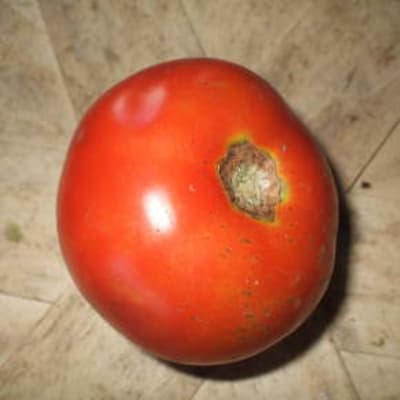
Solanum lycopersicum Red skin. (58 days) Open pollinated. Red, variable in size but up to 4". Unusually tasty for such an early variety. Performs best in cool summers. Determinate.
NPK: 4-4-0.5. Contains fish hydrolysate, kelp extract, humic and fulvic acids, and a dash of chilean nitrate to boost the nitrogen levels for rapid vegetative growth.
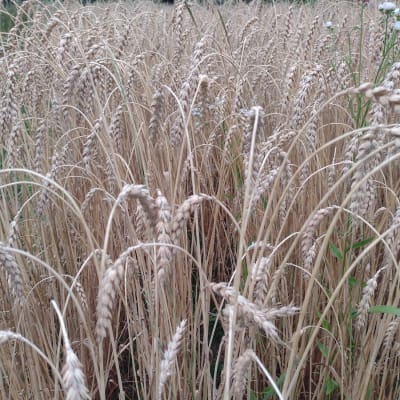
Triticum aestivum Winter annual grain. Extremely cold hardy hard red wheat. Flour has great flavor and texture, and sturdy plants make great straw. Good for small spaces. Well adapted to New England. Will Bonsall fave!
Triticum aestivum Open pollinated. Extremely cold hardy hard red wheat good for small spaces and well adapted to New England. Flour has great flavor and texture, and sturdy plants make great straw.
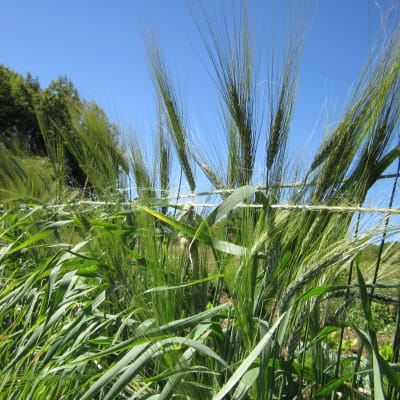
Triticum durum Open pollinated. Too beautiful to eat! Used for wheat weaving and flower arrangements. Four rows with blue-grey husks and long black awns. Sow in April, reap in Sept.
Fagopyrum esculentum Annual broadleaf. Excellent cover crop for outcompeting summer weeds. Makes tasty flour for pancakes or baked goods. Bees like its abundant nectar.
Triticum aestivum Annual grain. Hard red spring variety that bakers favor for its superior milling and baking qualities. High in protein, very high test weight. Solid disease resistance.
Brassica rapa var. perviridis (40 days) F-1 hybrid. Productive open plant habit with delicious round medium-green leaves. Spring sowings tolerate drought and heat into fall. Can be overwintered in warm climates.
Brassica oleracea (acephala group) (30 days baby, 56 days mature) Open pollinated. The most commonly grown kale. Dense finely curled blue-green leaves on upright hardy plants. Best as a fall crop, planted July or August.
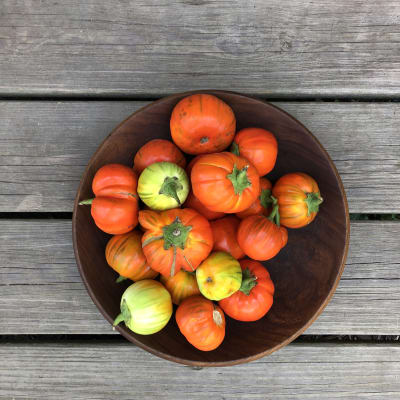
Solanum aethiopicum Orange skin. (65 days) Open pollinated. Sometimes called Ethiopian Eggplant or Garden Egg. Fruits mature to orange but are sweetest when they first turn from green to white. Great in curries and spreads.
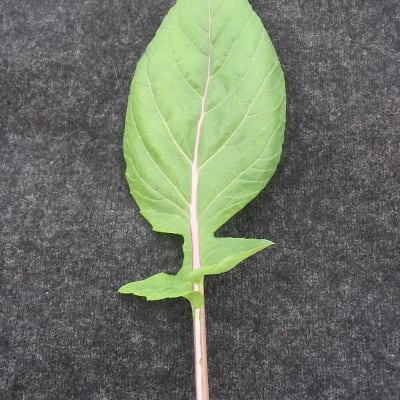
Crotolaria juncea Annual legume. Rock star cover crop builds organic matter, fixes atmospheric nitrogen, controls harmful nematodes, and still finds time to be beautiful! Grows vigorously in warm conditions.
Good all-purpose plastic mulch for cool-weather areas. Excellent weed suppression. Increases soil temperatures by several degrees. Recommended for tomatoes, cucurbits and sweet corn.
Pisum sativum (68 days) Open pollinated. Miragreen’s rich green color is matched only by the flavor of the peas themselves. As a freezer pea it has no equal. Prolific, with an average of 8.3 peas per pod.
Brassica rapa (37 days) Open pollinated. Produces many pencil-thick deep purple flowering shoots with pleasing mild mustard flavor. Grows best in cool weather.
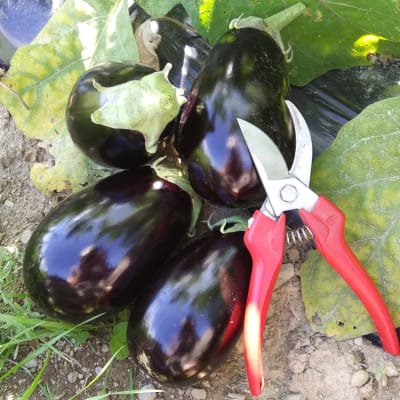
Solanum melongena Dark purple skin. (75 days) F-1 hybrid. Dark purple 7-8"tapered half-long bell-shaped fruit with a thornless light green calyx. Early and productive.
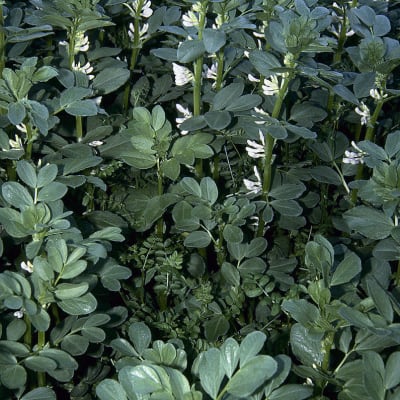
Vicia faba Annual or winter annual legume. Great for fixing nitrogen, and building large amounts of biomass. Bell beans will happily sprout in half-frozen soil, and tolerate a wide range of soil conditions.